







 21% THCa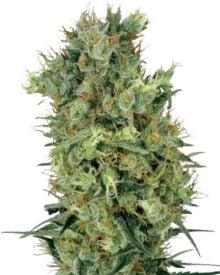

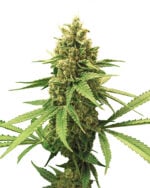
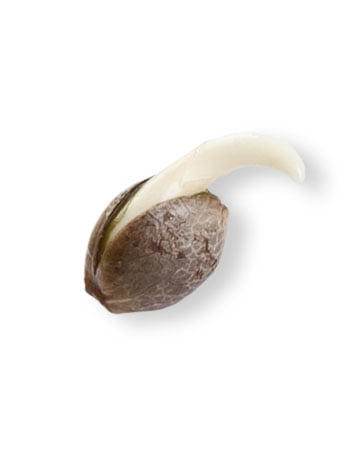
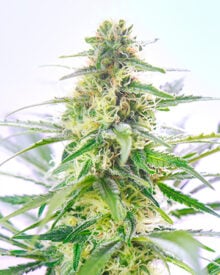
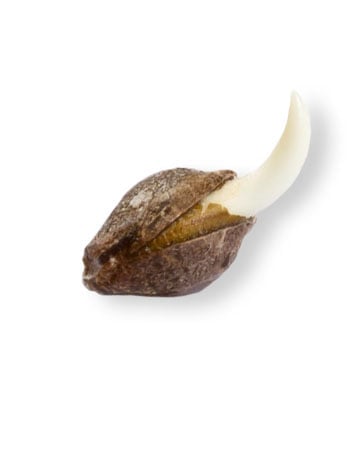
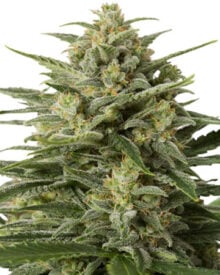
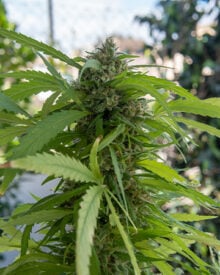

Known for its bright, champagne flavor, impressive potency, and sativa-driven effects, the Mimosa strain has earned notable fandom in the 2020s and continues to intrigue newer growers. It has also played a crucial role in the development of numerous modern hybrids, including Mimosa Auto and Mimosa Orange Punch.
While both these strains share the same champagne-like character as the original, they provide distinct growing experiences and can appeal to different growers. Understanding each option’s individual strengths can help prospective cultivators pick the strain that’s best for their unique tastes, growing space, and experience levels.
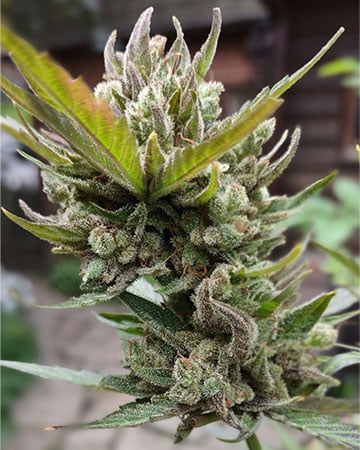
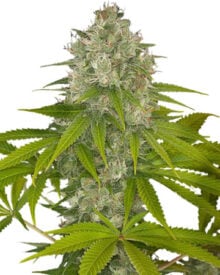
Mimosa
The Mimosa strain of cannabis was originally bred in Sacramento, California, in 2017 by world-renowned cannabis breeders Michael and Vince. The cross between fan favorite strains Clementine and Purple Punch, this Sativa-dominant variant of marijuana… Read more
- Sativa Dominant
- 30% Indica, 70% Sativa
- 30% THC
The Original Mimosa Strain
Famous for its bright, citrus fragrance and happy-go-lucky effects, it’s no surprise this strain hails from the Sunshine State. Bred in Sacramento from Clementine and Purple Punch, it quickly became the toast of the cannabis world, earning praise for its sprightly effects, nimbler flowering time, and resinous buds. Many modern hybrids also trace back to this strain, including Pineapple Mimosa, Peach Mimosa, and Mango Mimosa.
Named for its similarity to the popular brunch cocktail, the Mimosa weed strain is best known for its orange juice and sparkling wine notes. These pair well with its crystal-clear high, making Mimosa, like its namesake, an excellent mid-morning choice.
Mimosa typically flowers in about 55 to 65 days. Its 70% sativa lineage means it can stretch considerably during the flowering period, making canopy management an important thing to keep in mind. If you happen to have limited vertical space, training techniques such as low-stress training (LST) or ScrOG setups can make all the difference, as they will encourage your plants to grow outward, rather than upward.
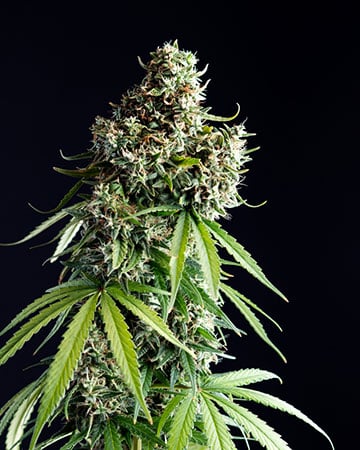
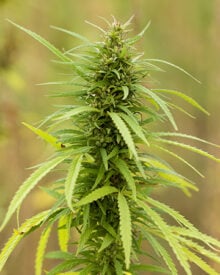
Mimosa Auto
Mimosa Auto was originally bred in Sacramento, California, in 2017 by cannabis breeders Michael and Vince. The cross between fan favorite strains Clementine and Purple Punch, this Sativa-dominant line of marijuana provides the user with… Read more
- Sativa Dominant
- 10% Ruderalis, 20% Sativa, 70% Indica
- 28% THC
The Fast-Flowering Choice
If you’re intrigued by the Mimosa strain but are aiming for maximum efficiency, Mimosa Auto is a good pick. This strain provides the same bubbly vibes as its photoperiod counterpart, but has a few unique benefits. All auto strains flower on their own and, unlike photoperiod plants, are not reliant upon light cycle changes. This process makes for a simplified, more hands-off cultivation process. In fact, many Mimosa auto plants flower in as few as 50 to 60 days.
As an added benefit, this hybrid’s 10% ruderalis lineage provides added resilience. This means your plants will be less susceptible to the challenges associated with beginner mistakes, such as unexpected shifts in environmental conditions like temperatures and humidity.
While Mimosa Auto plants aren’t foolproof by any means, the extra wiggle room can make all the difference for cultivators just starting out. As such, Mimosa Auto is an especially good fit for those who prefer a more straightforward intro to cannabis growing but still want high-potency harvests.
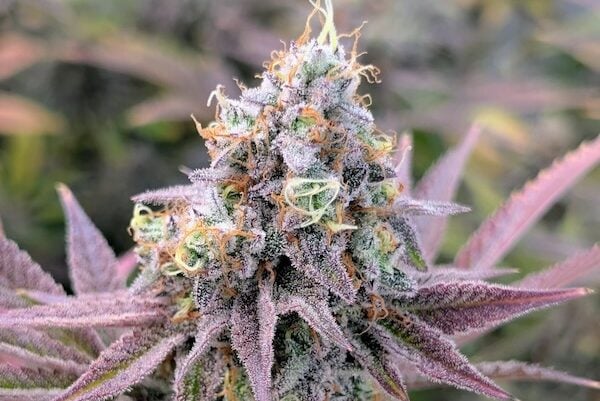
Mimosa Orange Punch
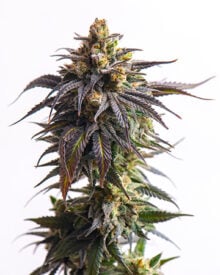
This strain’s champagne taste, citrus pop, and notable intensity trace back to its grandparent, the Mimosa strain. Mimosa Orange Punch arrived on the cannabis scene in the early 2020s and quickly piqued the interest of marijuana fans thanks to its formidable intensity and refreshing flavor. As the offspring of Orange Punch and Mimosa Evo, this hybrid doubles down on citrus flavor while cranking the cannabinoid dial up a notch.
At 31% THC, it appeals to weed connoisseurs who prefer undeniable intensity. While its relatives also have pronounced THC levels, this strain still inches ahead potency-wise. At the same time, it showcases the very traits that made its predecessors shine.
At 65% indica, Mimosa Orange punch crafts a high that’s both lulling and divine. Meanwhile, its sativa influence and hefty cannabinoid profile work alongside this calming vibe, producing a euphoric, happy state of mind.
Growers appreciate Mimosa Orange Punch’s approachable growing style: compact, sturdy, and predictable, it’s an excellent fit for all cultivators, even beginners. Some share that it responds well to basic training and tends to remain unfazed under mild amounts of stress. This type of resilience makes it a good pick for first-time growers and helps set the stage for substantial yields later on.
Growing Considerations for Mimosa Weed
Although these three strains differ in their growing style, they do share several characteristics that can be helpful to keep in mind. Below, we cover some helpful ways to help encourage your plants to reach their full potential.
Manage Plant Structure Early
Mimosa Orange Punch, Mimosa, and Mimosa Auto all tend to have a more vigorous growing style. Training your plants early can improve light penetration and encourage more uniform bud development.
Watch Humidity During Flowering
All three strains produce dense flowers that can trap moisture. Maintaining good airflow and reducing humidity during the flowering stage is a good way to help sidestep mold and mildew before they occur.
Prepare for Strong Aromas
All three varieties are known for pronounced citrus-forward terpene profiles. As flowering progresses, many growers find odor control becomes increasingly important, particularly in indoor environments.
Support Heavy Branches
As buds mature and put on substantial weight, your plants’ branches may require additional support. Stakes, plant ties, or a trellis system can help prevent the branches from bending or breaking, especially during the last few weeks before harvest.
Which Mimosa Strain Is Right for You?
It depends on your goals! Growers seeking a classic sativa-dominant experience often gravitate toward the original Mimosa for its balanced potency, citrus character, and energetic effects. If you like the idea of Mimosa but want a faster, simpler approach, we’d recommend giving Mimosa Auto a try.
Cultivators with their hearts set on maximum potency and bountiful yields tend to choose Mimosa Orange Punch. Its compact structure, colorful flowers, and exceptionally high THC content have made it a head-turning addition to the Mimosa line. No matter which route you choose, you’ll find a compelling combo of champagne flavor, an approachable growing style, and euphoric potency.
FAQs
Why are Mimosa strains known for their citrus aroma?
The Mimosa line traces back to Clementine, a cultivar celebrated for its bright orange and citrus-forward terpene profile. Many Mimosa varieties have similar terpene profiles, which can include notes of orange peel, sweet citrus, and tropical fruit.
Can Mimosa strains be grown indoors and outdoors?
Yes. Mimosa Orange Punch and other Mimosa cultivars adapt well to both indoor and outdoor cultivation. Indoor growers will have more control over environmental conditions, while outdoor growers in warm, sunny climates can take advantage of natural light and extended growing seasons.
What is the difference between a photoperiod and an autoflowering Mimosa plant?
Photoperiod varieties, such as the original Mimosa, begin flowering when they receive longer periods of darkness each day. Mimosa Auto flowers according to age rather than changes in light, making this choice a good pick for those who want a simpler cultivation process.
Do Mimosa strains produce colorful buds?
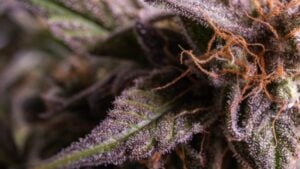
Some members of the Mimosa family can develop striking colors as they mature. Mimosa Orange Punch, in particular, is known for producing flowers with shades of lavender, purple, and deep plum, especially under favorable growing conditions.
What makes Mimosa strains so popular among growers?
Many growers appreciate Mimosa strains for combining an enticing scent with true potency and solid harvests. The Mimosa line also includes photoperiod and autoflowering varieties, giving cultivators the freedom to choose a version that suits their unique preferences and goals.