





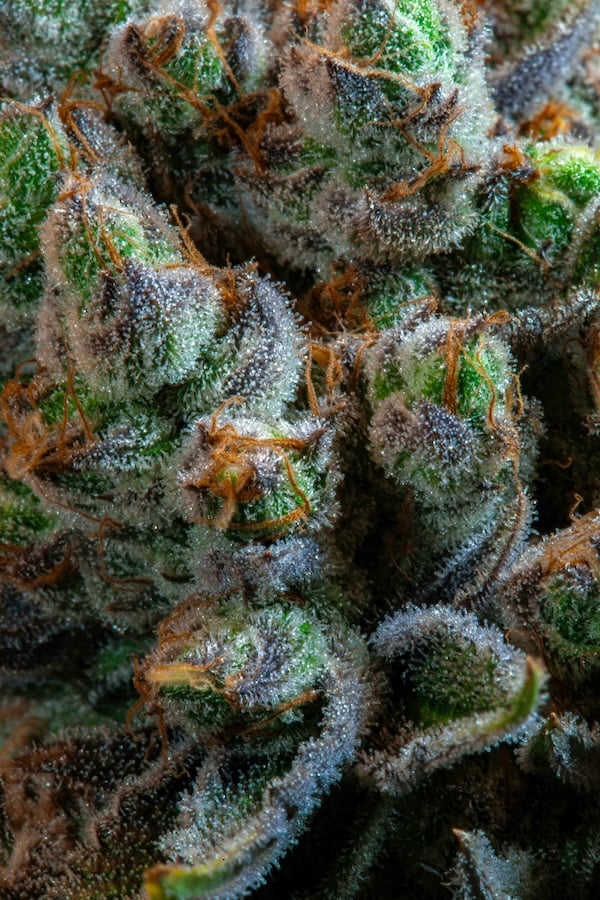
 21% THCa







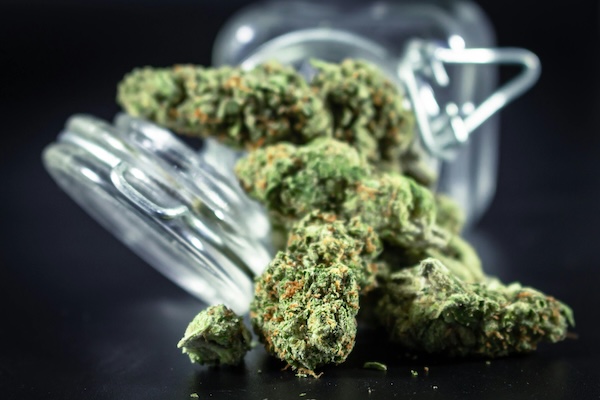
Crack open a jar of old-school Skunk or Candy Fumez, and you’ll be greeted with that strain’s signature aroma. But what actually gives every cannabis plant its unique fragrance and taste?
The same aromatic compounds that give limes their tart bite and pepper its kick. Terpenes are present in fruit, herbs, flowers, spices, and trees, not to mention all cannabis plants. Every strain contains its own terpene profile, and those unique combinations play a major role in helping define the high’s overall character.
Why do Cannabis Growers Care about Terpenes?
Learning about cannabis terpenes gives growers a clearer sense of what to expect from a strain. For instance, if you’re eyeing a hybrid that contains large amounts of myrcene, your harvested buds will give off an earthy, musky scent. A limonene-rich pick, on the other hand, typically results in a bright, citrus-like smoke.
Learning to recognize these patterns helps growers have a better sense of what to expect before they ever plant their seeds. Additionally, some research suggests that terpenes do more than produce flavors and scents. They may also help enhance a strain’s potency or give its overall vibe an added boost.
How to Preserve a Strain’s Terpene Profile
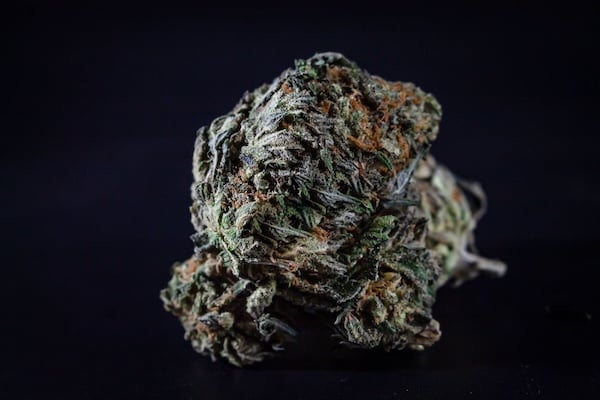
Terpenes are volatile compounds, which means they can be sensitive to rough handling, excessive heat, poor storage, or a hasty curing process. Sometimes, a grower can spend months raising healthy, robust plants, only to flatten their terpene profiles during the final stages.
Thankfully, there are easy ways to avoid this outcome. In the end, a well-protected terpene profile is one of the major things that separates a decent harvest from truly memorable bud.
Keep temperatures moderate and stable
Excess heat during the drying and trimming processes often speeds up the evaporation of terpenes, which in turn will produce a weaker fragrance and flavor in the buds. Many growers aim for a slow dry in a cool room with controlled humidity rather than rushing the process with strong heat or heavy airflow.
Maintain moisture levels during curing
Terpenes continue to degrade when buds become too dry. Extremely low humidity can flatten aroma and make the buds smell dull or empty, even if their potency remains intact. Proper curing and airtight storage help preserve the original scent profile longer.
Minimize stress in the flowering stage
Severe heat stress, inconsistent watering, excess defoliation, or environmental swings near harvest are some of the biggest reasons behind a weaker aroma. Healthy, stable plants generally preserve terpene content more effectively. Thankfully, these variables are easy to control. We recommend routinely checking the thermostat, pruning lightly at first, and keeping an eye on your plants to see how they respond. Issues that arise from unstable conditions can often be corrected, so long as you jump in sooner rather than later.
7 Common Cannabis Terpenes
Myrcene
Myrcene is the most common terpene found in cannabis, and is widely associated with old-school indica lines, or modern day picks with a bitter edge. Present in thyme, basil, and hops, myrcene gives beer its crisp, sharp notes, and adds savory depth to many cannabis strains. Prospective growers who enjoy this kind of profile often each for strains like Granddaddy Purple, OG Kush, and Blue Dream.
Most growers describe the overall character of strains with myrcene as earthy, herbal, and dense. While it’s present in many modern-day strains, some growers tend to associate it with a “classic cannabis” feel, noting its presence in retro legends like Acapulco Gold and Skunk No. 1. Some cannabis fans also report that beyond this terpene’s scent and flavor, it also helps boost a strain’s existing effects, making relaxing strains all the more calming.
Caryophyllene
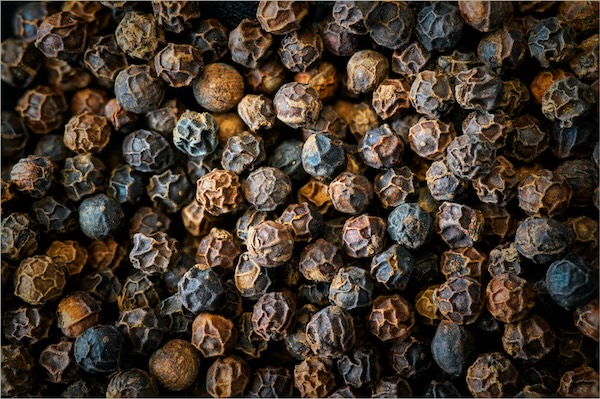
Also known as beta-caryophyllene, this terpene gives many strains their pepper-like bite. Clove-like, spicy, and woody, it routinely appears in picks like White Truffle, Garlic Cookies, Girl Scout Cookies, Chemdawg, and Sour Diesel.
Caryophyllene is also responsible for the rich warmth associated with black pepper, cloves, oregano, cinnamon, and hops. In cannabis, it comes through as a dash of cracked pepper, adding a slightly earthy finish to the smoke. This terpene is also especially common in fuel, kush, and chem strains, and has a clear knack for sharpening sweeter notes into something more robust.
Limonene
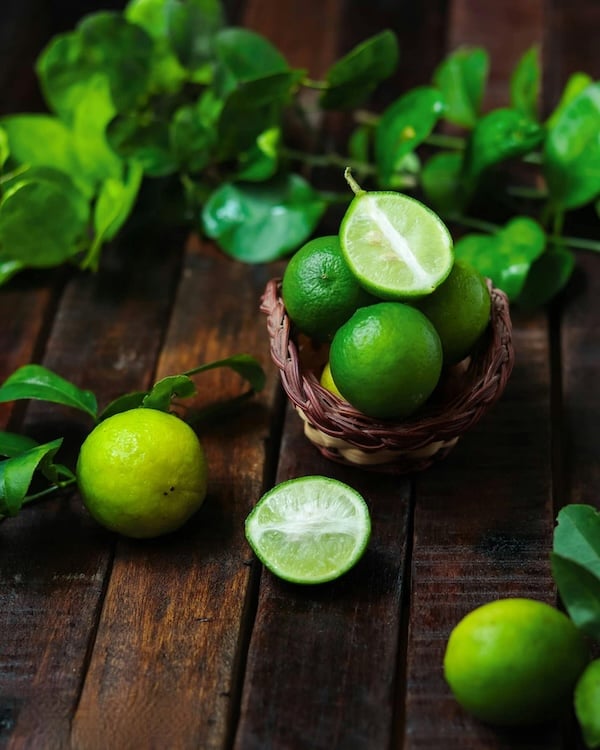
Known for its bright, citrus-heavy aroma, limonene is one of the most recognizable terpenes in modern cannabis. It is present in orange peels, grapefruit, lime, and tangerine. In cannabis strains, it’s often described as grapefruit-like, with notes of citrus rinds and a mildly candy-like character. Picks like Super Lemon Haze, Wedding Cake, and the Do-Si-Dos strain all contain limonene and appeal to growers who prefer a mixture of sour and sweet notes.
While all terpenes respond well to steady, cooler drying conditions, growers often note that limonene’s vivid notes can fade surprisingly quickly under excess heat. This is why slower, more controlled post-harvest handling is often preferred when preserving bright terpene expression.
Pinene
Pinene smells almost exactly as its name suggests. Fans often describe strains with this terpene as emitting notes of fresh wood, resin, and forest-like vibes. Found naturally in conifer trees, basil, and dill, pinene can sharpen and brighten a cannabis profile even when it is not the dominant terpene. Strains such as Lilac Diesel, Dutch Treat, and Green Queen are often associated with elevated pinene levels.
Humulene
Humulene carries woody, earthy, and slightly bitter notes. Because it is also found in hops, many growers notice similarities between certain cannabis strains and hoppy beer. It commonly appears alongside caryophyllene in strains like Tangie, Death Star, and Blueberry Headband. Strains rich in humulene often give off notes of dry wood, fresh-cut herbs, and the faintly bitter edge associated with old-school picks. While it rarely dominates a strain’s aroma entirely on its own, it frequently helps round out sweeter terpene profiles and gives certain the smoke a deeper, more resinous character.

Linalool
Linalool is best known for its soft floral aroma and is often compared to lavender. It usually sits deeper in the background than louder terpenes such as limonene or caryophyllene, and adds faintly sweet botanical notes, with a touch of earthy calm. Strains with meaningful linalool content include Mint Jelly, Glitter Bomb, Blue Lobster, and Space Monkey.
Terpinolene
Terpinolene can be difficult to describe because its scent tends to be multifaceted. Depending on the strain, this terpene may come across as floral, citrusy, herbal, piney, or lightly sweet all at once. Strains such as Golden Goat and Snowcap have strong terpinolene profiles.

Less Common Cannabis Terpenes
Other terpenes appear less frequently, but can be just as appealing. These lesser-known gems define the aroma and character of certain strains, especially those that are more unusual or off-the-beaten-path. Ocimene can add sweet, herbal, or tropical notes, while geraniol is often associated with floral, rose-like aromas. Eucalyptol brings cooler minty or herbal notes into the mix and is found in strains like Headband 707. Although they appear less frequently and often in lower amounts, these rare gems quietly play a key role in shaping the complexity and appeal of certain modern strains.
A Final Word on Cannabis Terpenes
For newer growers, terpene profiles can feel intimidating at first, especially with so many names, aromas, and strain descriptions floating around online. But over time, certain patterns start to stand out. A sharp citrus nose usually means limonene is present, while floral, sweeter elements may indicate rich amounts of linalool. Before too long, you will begin to recognize terpene profiles the same way more experienced growers do.
A basic knowledge of terpenes can also help remind growers that a strain’s defining traits extend beyond things like THC levels or indica-to-sativa ratios. Aroma, flavor, cure quality, and overall character play a key role in the overall feel of the smoke, and may also enhance your favorite strain’s most prominent effects.
If you’re just starting out, our seed library has a large collection of strains to suit every preference, and a wide array of terpene profiles. We recommend seeing what catches your eye first, and if you’re curious to learn more, exploring that strain’s dominant terpenes.
FAQs
What are the most common cannabis terpenes?
Some of the most common cannabis terpenes include myrcene, limonene, pinene, caryophyllene, linalool, and terpinolene. Each brings its own aroma profile into the mix, from citrus and pine to spice, earth, and floral notes. A strain’s dominant terpenes are those that work together to compose its distinct fragrance and flavor.
Do terpenes affect the high?
Many growers and consumers believe terpenes help shape the overall experience of a strain, though THC content, lineage, and effects are all significant as well. A citrus-heavy strain may feel very different from a musky, myrcene-rich cultivar even when THC percentages look similar on paper.
What can growers do to help preserve their crop’s terpene profile?
Proper drying, curing, humidity control, and storage all help preserve terpene content after harvest. Excessive heat, rough handling, and overly dry conditions can cause delicate aromas to fade quickly, which is part of the reason why seasoned cannabis growers treat the curing process with the same care as the cultivation itself.
Do all cannabis strains contain the same terpenes?
While many strains share common terpenes like myrcene, pinene, or caryophyllene, terpene profiles can vary dramatically from one cultivar to another, with some including lesser-seen terpenes such as geraniol and ocimene.
Are rare terpenes worth exploring?
Absolutely. Less common terpenes like ocimene, geraniol, nerolidol, and eucalyptol can give certain strains a vibe that’s enticing and offers a distinct edge. Ocimene, for example, is often associated with sweet, herbal, or tropical notes and has been reported in strains like Strawberry Cough.