




 21% THCa







For many growers, a strain’s yield potential is an important consideration when choosing which cannabis seeds to cultivate. Flavor, potency, and effects play a large role too, but knowing in advance that your plants have standout potential tends to tap into added motivation. The highest yielding autoflower strains aren’t just sought-after for their substantial yields, but also for their efficiency, resilience, and compact size.
Why are auto strains unique?
Autoflowering strains tend to have a speedier flowering time, added resilience, and ask less of growers than some photoperiod strains might. On the flip side, they do tend to have slightly lower yields. High-yielding autos, however, go against the grain by producing harvests that rival many traditional cannabis strains.
Cannabis ruderalis
Auto strains are bred from what was once a little-known subspecies: cannabis ruderalis. These small, stocky plants originated in the rugged climates of Central and Eastern Europe. As a result, they adapted to the region’s shorter summers and developed the ability to flower sooner, maturing fully within a tighter timeframe.
For decades, cannabis ruderalis was passed over due to its lower THC levels and smaller size. However, by the late ‘90s, certain breeders recognized their hidden potential: by crossing ruderalis with indica and sativa cultivars, they were able to produce higher-THC plants that retained the benefits of an automatic, efficient flowering time. In the decades since, thoughtful breeding has brought us the highest yielding autoflower strains yet.
Below, we’ll take a look into why some autos produce surprisingly generous harvests. We’ll also highlight four strains that stand apart for their potency, effects, and significant yields.
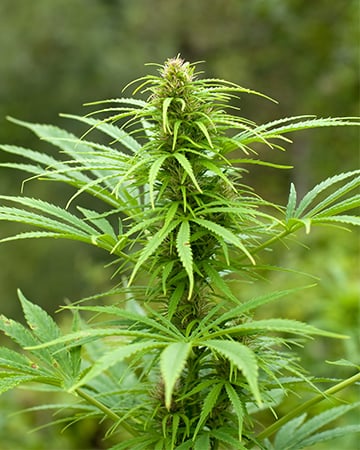
Maui Auto
The highly sought-after cross of parent strains Mendocino Purps and a Hawaiian lineage the Maui Auto-flowering strain is almost completely Sativa, with potent effects and a distinct flavor and aroma profile. Known for its refreshing… Read more
- Sativa
- 10% Ruderalis, 90% Sativa
- 26% THC
Maui Auto: A High-THC Knockout
Indoor yields: 600 grams per square meter
Outdoor yields: 1800 grams per plant
The Maui strain is an autoflowering variety bred from a Hawaiian landrace and ruderalis. Its 90% sativa lineage provides a crisp, lucid high. Beginner growers also do well with this strain, as its slender, elegant structure is surprisingly strong and shows more resilience against common newbie mistakes such as dips or spikes in temperature. Fans often describe how Maui Auto’s 26% THC levels pair well with its cerebral vibe. By working together, its cannabinoid profile and sativa lineage can produce a wellspring of lucidity and potent, dreamlike effects.
This auto is also popular with beginners, as it tends to be more forgiving of slight fluctuations in environmental conditions. Indoor growers can typically anticipate up to 600 grams of resinous bud per square meter, while outdoor cultivators will enjoy chart-topping harvests of up to 1800 grams per plant.
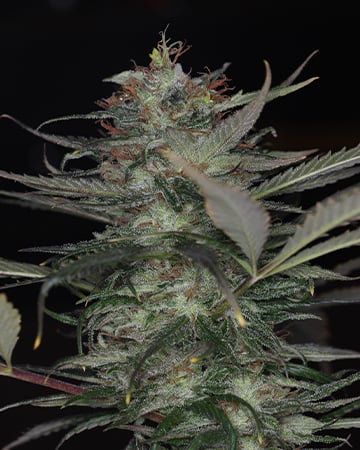
White Rhino Auto
Named for its similarity in appearance to the beautiful and rare White Rhino itself, this strain is the offspring of legendary cannabis strain White Widow as well as a North American Indica landrace, and Ruderalis.… Read more
- Indica Dominant
- 10% Ruderalis, 20% Sativa, 70% Indica
- 18% THC
Standout Characteristics: White Rhino Auto
Indoor yields: Up to 800 grams per square meter
Outdoor yields: Up to 1,100 grams per plant
The White Rhino strain is the offspring of White Widow, a North American indica landrace, and ruderalis. Bred in the ‘90s, its tempered 18% THC levels are best-suited to connoisseurs who like a noticeable hit of mind-altering traits, but prefer to steer clear of knockout effects.
This strain’s 70:20 indica to sativa ratio rounds out the overall high, promoting a calming state of mind that feels both grounding and euphoric. It also has a distinctively woody, skunk-like aroma and attracts growers who like old-school, savory bud.
Prospective White Rhino Auto growers will also be happy to know that our variety produces significant indoor yields of up to 800 grams per square meter and up to 1100 grams per plant.
Purple Lemonade Auto
Purple Lemonade serves up a mixture of mellow effects and a noticeable boost in mood, making it a versatile choice for both daytime or evening use. With THC levels of up to 22%, this strain… Read more
- Indica Dominant
- 10% Ruderalis, 30% Sativa, 60% Indica
- 22% THC
Balanced profile: Purple Lemonade Auto
Indoor yields: 600 grams per square meter
Outdoor yields: 1800 grams per plant
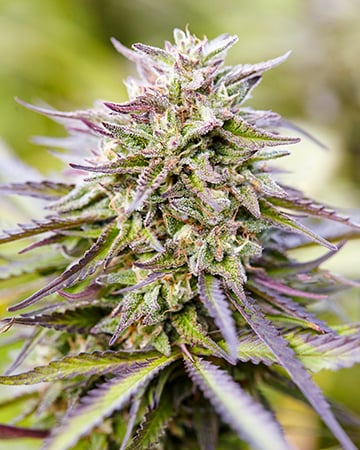
Our autoflowering Purple Lemonade strain has a harmonious 60:30 indica-to-sativa ratio and 10% ruderalis lineage. This strain’s 22% THC levels add noticeable euphoria and mind-bending whimsy. Fans describe the high as carefree overall, with fainter hints of focus and motivation. As such, Purple Lemonade Auto seeds are especially appealing to growers who want the heavier physical traits of an indica hybrid but appreciate some balance in the form of cerebral clarity.
This strain makes our list thanks to its head-turning outdoor yields of up to 1800 grams per plant. Indoor growers can also anticipate respectable yields, reporting up to 600 grams per square meter under optimal conditions.
Gorilla Zkittlez Auto
Our Gorilla Zkittlez Auto cannabis seeds offer a potent blend of Original Glue and Zkittlez genetics, delivering up to 24% THC. This indica-dominant hybrid delights with sweet berry and citrus flavors, providing a powerful, relaxing… Read more
- Indica Dominant
- 10% Ruderalis, 40% Sativa, 50% Indica
- 24% THC
Community Favorite: Gorilla Zkittlez Auto
Indoor yields: 700 grams per square meter
Outdoor yields: 1500 grams per plant
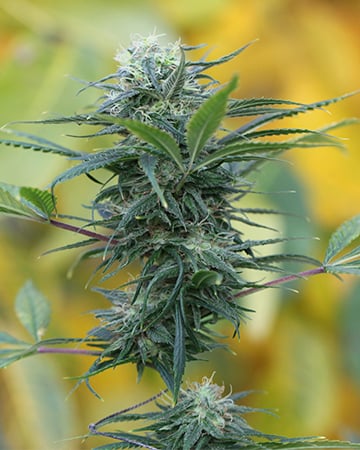
Original Glue, Zkittlez, and ruderalis join forces to create modern-day powerhouse Gorilla Zkittlez Auto. Indoor growers can look forward to 700 grams per square meter while outdoor cultivators will win big with up to 1,500 grams of trichome-coated bud per plant. As such, Gorilla Zkittlez Auto is a rewarding option for growers who want an aromatic, high-yielding strain and an expedited flowering time to boot.
Our Gorilla Zkittlez strain is sweet yet decidedly strong, and displays many of its parents’ most appealing traits. These include its heavyweight cannabinoid profile and balanced 50:40 indica-to-sativa ratio. While its 24% THC content may be a better fit for more experienced cannabis users, this strain’s resilient, stocky structure is also tough enough to handle common beginner mistakes in the garden.
Nutrient needs for autoflowers
Autoflowers typically need less fertilizer than photoperiod strains for a few different reasons. For starters, they’re typically smaller and have a shorter life cycle. They also spend less time in the vegetative stage overall in comparison to photoperiod strains. If auto strains are overfed early on, they have much less time to recover before their energy shifts toward bud production.
For these reasons, growers often begin with ¼ to ½ the amount of nutrients listed on the package. If your plants seem to respond well and don’t have visible signs of stress, it’s typically ok to increase levels slightly. As the plants mature and enter the flowering stage, it’s also useful to switch from a vegetative formula to a bloom formula. Vegetative fertilizers are typically higher in nitrogen (N), which supports leafy growth, while bloom formulas provide relatively more phosphorus (P) and potassium (K) to support robust flower development.
Cultivators are also encouraged to keep an eye on their plants’ leaves for signs of nutrient burn. These include brown leaf tips or unusually dark green foliage. When in doubt, it’s generally better to underfeed an autoflower than overfeed, as nutrient deficiencies are often easier to spring back from than nutrient toxicity. Because every strain responds differently, it’s best to let the plant guide you. More fertilizer doesn’t necessarily produce larger harvests.
When to harvest autoflowers
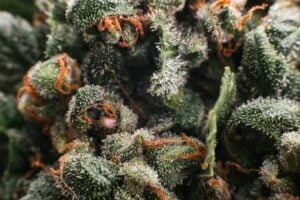
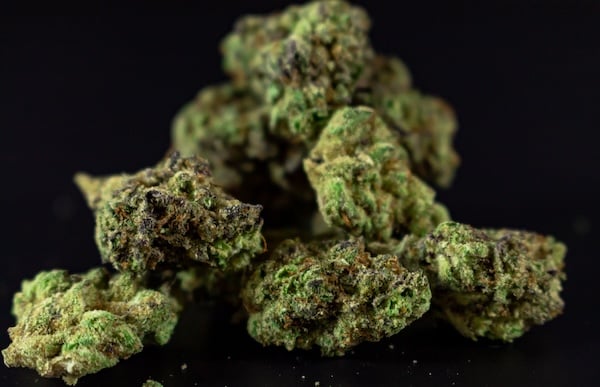
Harvest timing has a major impact on potency, flavor, and overall quality. While a reputable seed bank will provide estimated timelines, examining the trichomes using a jeweler’s loupe or magnifying device can help you get a more accurate sense of when your plants are fully mature.
Clear trichomes indicate that your plant isn’t ready yet. If you spot milky or cloudy trichomes, it typically means your plants have reached peak cannabinoid production. During the final weeks, keep an eye on the pistils as well—most will darken and curl inward as the plant approaches maturity. Checking these signs together is one of the most effective ways to tell when your autoflower plants are ready to harvest!
Best high-yielding autoflowers for beginners vs. experienced growers
Not every high-yielding autoflower requires the same level of skill or past experience in the garden. Any of our high-yielding strains will provide a solid foundation if you’re aiming for ample harvests, but some do require a bit more effort. For instance, if you’re a beginner grower, it may be helpful to start with forgiving, simpler-to-manage picks like THC Bomb Auto or our autoflowering Bruce Banner strain. Growers with more experience may prefer intermediate choices like Cotton Candy Kush Auto or our autoflowering Purple Lemonade strain. These strains tend to reward thoughtful care with impressive harvests.
It’s also important to avoid making a decision based on numbers alone. For outdoor growers, our highest-yielding auto strain happens to be Maui Auto, but if your heart’s set on an indica-rich pick, this 90% sativa strain may not strike the right chord. White Rhino Auto boasts the greatest potential indoors, but it’s also important for sativa fans to consider that it’s an indica-dominant strain.
Our expansive library of high-yielding autoflower strains provides lots of variety and is designed to meet even the most specific tastes. With today’s expanding menu of high-yielding autoflowers, growers now have more freedom than ever before to enjoy resinous, potent bud while maximizing efficiency all at once.
FAQs
What makes an autoflower high-yielding?
A strain’s genetics and its growing environment both factor into a harvest’s final weight. High-yielding strains tend to produce vigorous early growth, strong branches, and have a knack for absorbing light more efficiently.
An ample harvest will also depend upon proper lighting, the right nutrient formula, and consistent watering. Even the highest-yielding strain can produce modest yields if it becomes too stressed. However, addressing any growing challenges early in the vegetative stage is the best way to sidestep larger hurdles later on. The strains outlined above simply have a higher maximum potential—but proper care is what will allow them to truly reach that ceiling.
Why are yields important?
The obvious plus? Higher yields mean more consumable bud. Growers put months of effort into the growing process, so a nice return is always a plus. Higher yields also allow for fewer growing cycles per season, so there’s also a time-saving benefit. Fewer harvests can also reduce your electricity and nutrient costs, all while making the most out of smaller growing spaces.
Can high-yielding autoflowers be trained?
Yes. Most autos respond well to low-stress training (LST), as it improves light exposure without slowing growth. Because autoflowers have a short vegetative stage, it’s typically better to avoid high-stress techniques like topping.
Can beginners grow autoflowering plants?
Absolutely. Because they flower automatically rather than relying on changes in the light cycle, autoflowers are often considered one of the easiest types of cannabis to grow. Many modern varieties are also bred for resilience, making them a great option for first-time cultivators.
Can autoflowering plants produce as much as photoperiod strains?
In some cases, yes. While photoperiod strains have traditionally been known for producing larger harvests, modern autoflower genetics have narrowed the gap considerably. Many of our highest-yielding autoflowers can produce harvests comparable to traditional strains if properly cared for.