








 21% THCa







June 30, 2026
Compact seedling, surprisingly tall and opinionated adult plant, genuinely worth the airflow vigilance this whole process ended up requiring from start to finish.
June 30, 2026
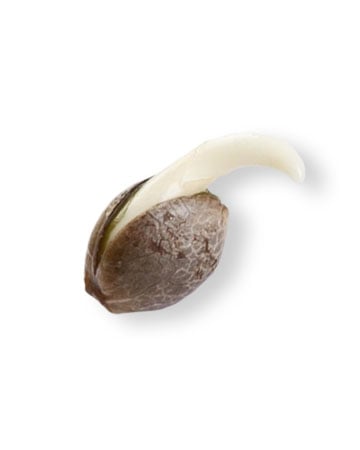
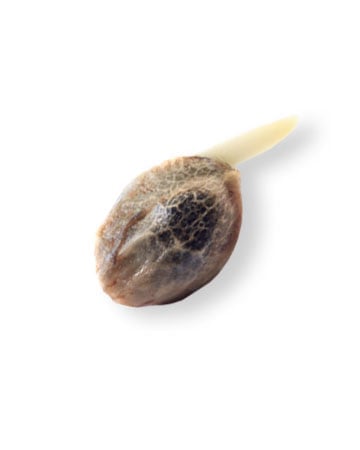
Germination took a little longer than I expected, closer to two weeks before I saw full sprouting, but every seedling that emerged went on to grow strong and healthy.
June 30, 2026
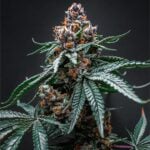
Effects consistent with stimulating, cheerful, creative combination.
June 30, 2026
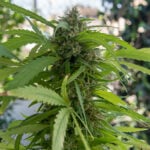
Northern Lights Auto. Northern Lights × Ruderalis. Myrcene-dominant terpenes. Earthy-pine-sweet-spicy aroma. Deep body relaxation, mild euphoria, sleep support. 8-10 weeks. Compact. Beginner-friendly. Multiple Cannabis Cup winner lineage. A reliable and rewarding grow.
June 30, 2026
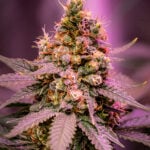
The bubblegum quality in the terpene profile deserves specific mention because it's the element that makes the combination more than the sum of its parts. Strawberry and banana are pleasant and specific; the bubblegum sweetness that the Bubblegum parent genetics contribute adds a dessert quality that makes the inhale immediately and distinctively appealing. The tropical-earthy exhale provides the contrast that keeps it interesting. A genuinely rewarding grow.
June 30, 2026
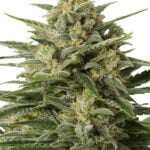
The parent strain contribution to modern genetics is well-documented: White Russian (White Widow x AK-47), Blue Widow (White Widow x Blueberry), and numerous proprietary crosses have used the Brazilian-South Indian genetic combination as a foundation. This breeding history reflects the quality and stability of the source genetics — breeders work from White Widow because it reliably contributes the uplifting effect character and resin production quality that premium hybrids require. A genuinely excellent classic.
June 29, 2026
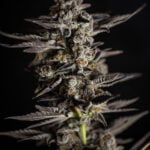
A compact indoor run became one of the more aromatic projects I have tried. Near the finish, the bushier structure needed a little awareness around the center, but the plant remained friendly to work with. This time around, the mature flowers carried enough visual detail to make every branch look slightly different after trimming. By that point, the scent became cleaner after curing and reminded me of ripe banana beside mixed tropical candy. Near the finish, I found the cured flower pleasant and easy to savor, with the fruit-and-cream profile carrying the whole session.
June 29, 2026
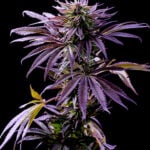
Flavor first impressed me, then the easy cultivation and dramatic late colors sealed the experience.
June 29, 2026
If plants had wardrobes, this one saved the purple outfit for the finale. Early growth looked ordinary, then flowering brought pink accents, orange hairs, and sparkling resin. The grow stayed manageable. The final jar smelled like citrus candy and tropical fruit.
June 29, 2026
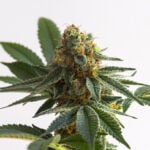
Nutrient window narrower than average; requires active calibration.
June 29, 2026
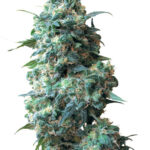
The calming second phase preserves the clarity. The body relaxes while the mind stays present. That's the balance.
June 29, 2026
Sweet berry, balanced effect, generous yield. The California case in three points.
June 29, 2026
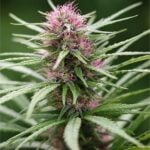
The complete case: Skunk #1 production efficiency plus purple parent visual quality plus berry-wine terpene complexity plus eight-week cycle plus beginner-accessible cultivation plus active-social effect. No trade-offs. All six qualities simultaneously. That's the argument for Purple Skunk.
June 29, 2026
Long-term storage: day 56 cure — full profile maintained. Day 90 — lemon brightness slightly reduced, earthy-pine more prominent. Day 120 — profile shifted toward earthy-pine-pepper. Consume within day 42-60 for peak lemon-fuel character.
June 29, 2026
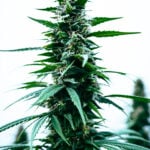
Five-year retrospective on Durban Poison: in rotation every year without being the only thing I grow. The terpinolene-dominant sweet-spicy aroma is the most historically distinctive in my collection. The pure sativa effect profile is the clearest example in my experience of what 'clean sativa' means as a category. The cultivation requires specific height management and terpinolene-preservation drying, both of which are simple once understood. Each year some modern hybrid claims to replicate the Durban Poison character. Each year the comparison confirms that the landrace produces something specific that the hybrids reference but don't reproduce. The original remains the reference.
