








Blue Lobster
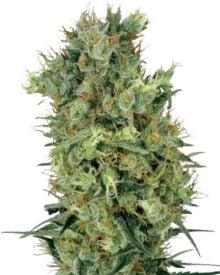
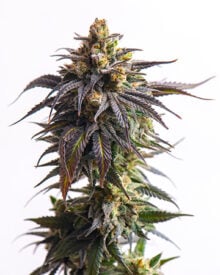
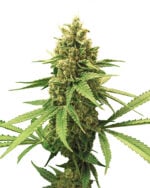
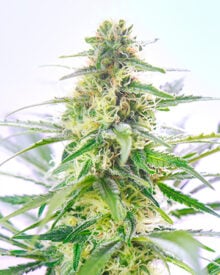
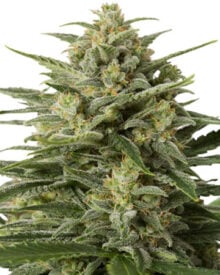
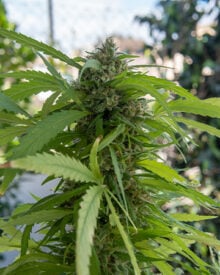
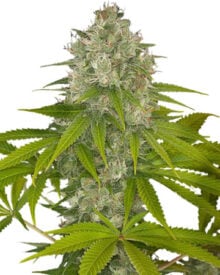
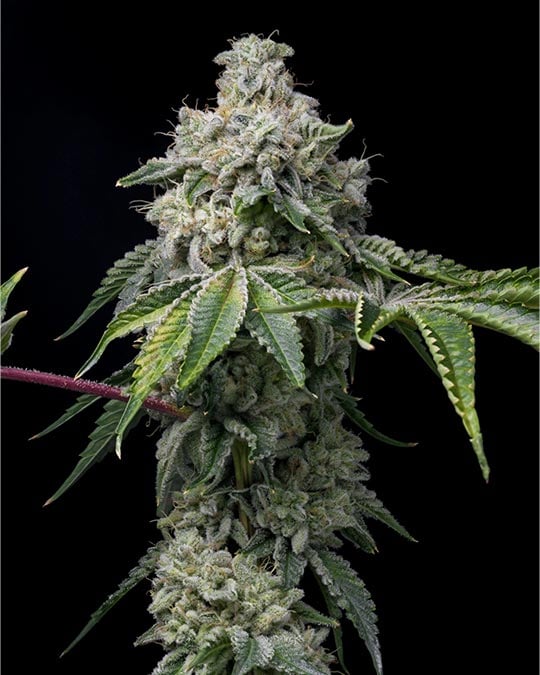
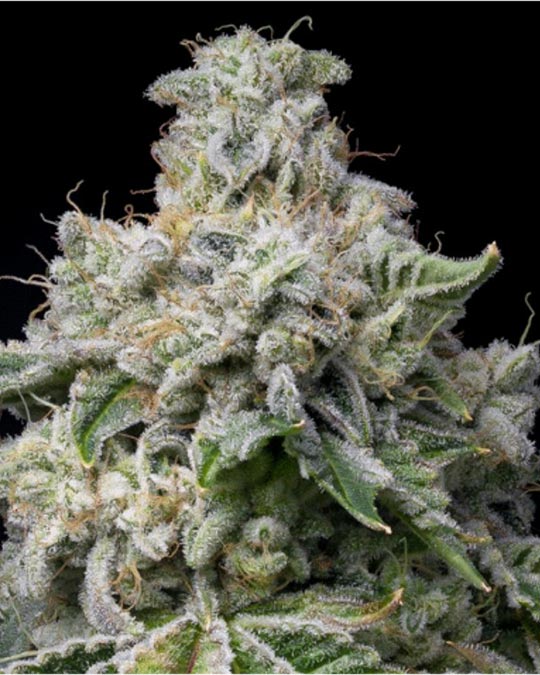
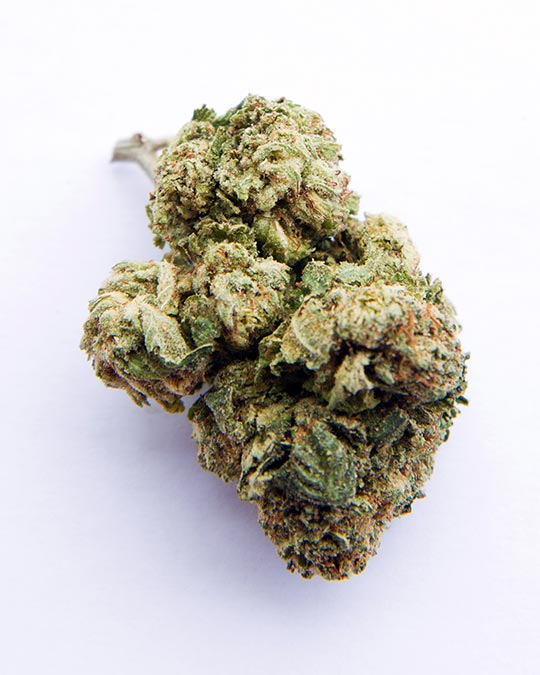
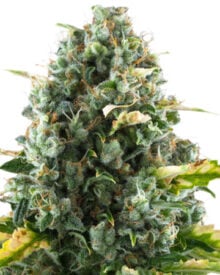
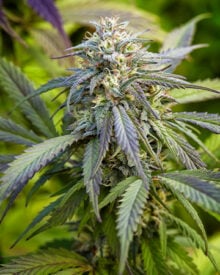
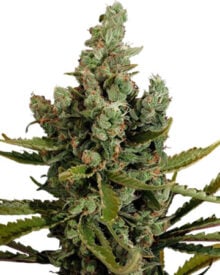
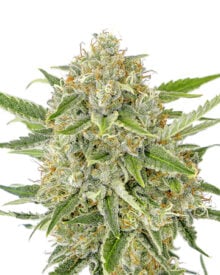
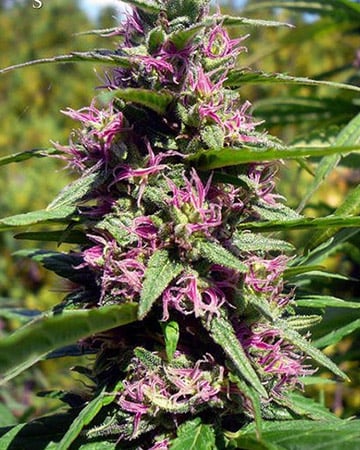
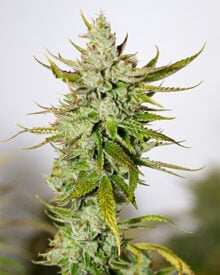
The Blue Lobster weed strain is an indica-dominant hybrid with high THC levels of 25% and a sweet, berry flavor. Ideal for the evening, it has calming effects and vibrant blue-hued buds. Its 70:30 indica-to-sativa ratio creates overall calming effects accented by a quiet, cerebral buzz. Together, these traits make Blue Lobster seeds a prized find for marijuana growers who appreciate visually stunning strains, a mind-bending high, and plenty of indica bliss.
-
 THC levels: 25%
-
60% Indica, 40% Sativa
-
Euphoric, relaxing, and uplifting
-
Total time from flowering stage to harvest: 55–65 days
-
Growing experience level: Intermediate
 THC levels: 25%
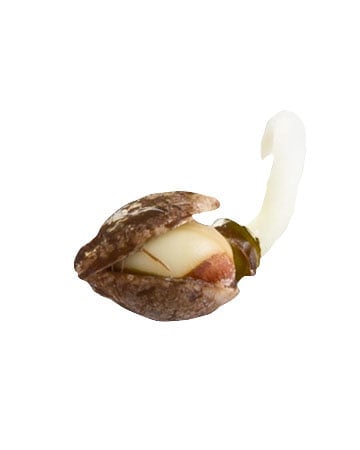
The Blue Lobster Strain: A Rare Indica Gem
The Blue Lobster strain is the offspring of Apples & Bananas and Eye Candy, offering a unique genetic lineage that delivers a powerful, calming high.
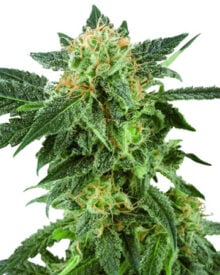
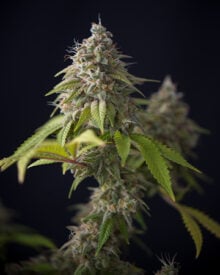
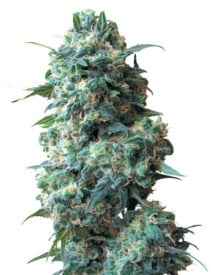
Cherished for its distinctive blue hues and potent effects, Blue Lobster fans describe this hybrid as a treasure trove of relaxation and bliss—an especially appealing mix for indica lovers. At 25% THC and with a 70:30 indica-to-sativa ratio, this strain offers a deep, restful experience that appeals to indica lovers looking to add a dose of psychoactivity to their day.
Blue Lobster’s flavor profile is a complex blend of sweet and earthy notes, with hints of berry and a subtle, refreshing hint of the ocean’s breeze. Add all these qualities up, and it’s no surprise Blue Lobster is considered an all-around standout strain—especially for growers who appreciate the finer details.
Growing Tips for Blue Lobster Seeds
Temperatures and lighting: Blue Lobster cannabis plants can be grown indoors and outdoors and prefer temperatures between 68-80 degrees Fahrenheit. If you plan to grow indoors, it’s important to expose your Blue Lobster plants to 18-20 hours of light per day throughout the vegetative phase before adjusting to a 12:12 ratio of light to dark. This shift will mimic the natural shift that occurs outdoors when days become shorter near the end of summer.
Moisture control: By keeping humidity levels at 40-60% during the vegetative growth stage, you can encourage your plants to grow stronger leaves and stems. This range allows your plants to absorb water through their roots while releasing some through their leaves, keeping them balanced and healthy. By dropping humidity levels to 40-50% during the lowering stage, you’ll help protect your Blue Lobster plants from mold or bud rot. The drier air also helps your plants focus their energy on producing dense, high-quality buds.
Training Techniques: The best training techniques for Blue Lobster plants are pruning or the Screen of Green (ScrOG) method. The former is helpful for lankier plants, as it helps control height while encouraging bushier, more robust growth. The latter encourages an even canopy, which in turn provides greater amounts of nourishing light for your plants.
Dial in Your Growing Conditions
Blue Lobster prefers the same warm conditions as most cannabis strains, with ideal temperatures falling between 70-80 degrees Fahrenheit or 21-27 degrees Celsius. Moderate humidity levels of about 50–60% are ideal during the vegetative stage, with a light dip to 40–50% during flowering.
The Germination Plan
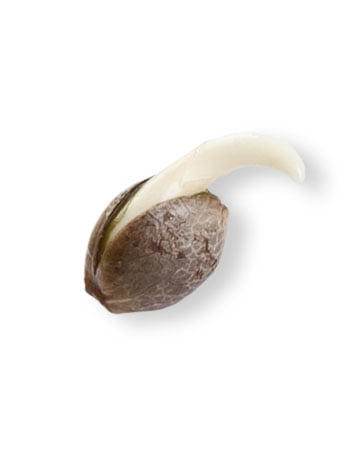
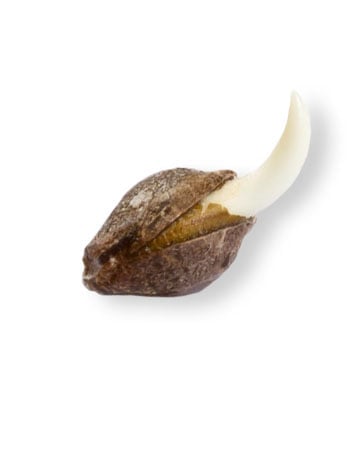
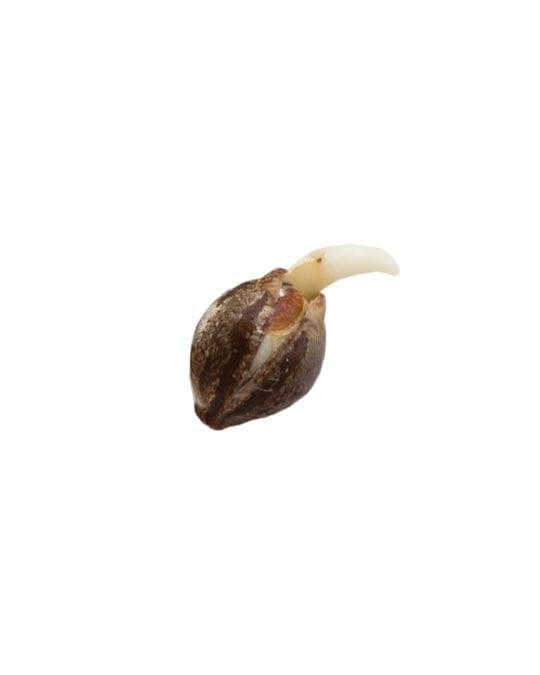
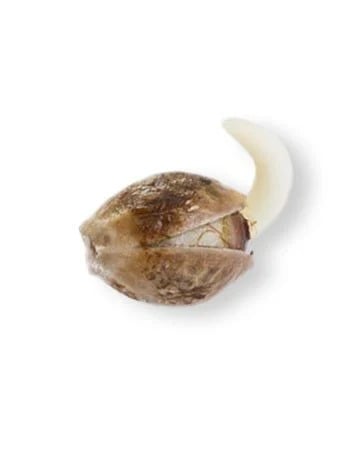
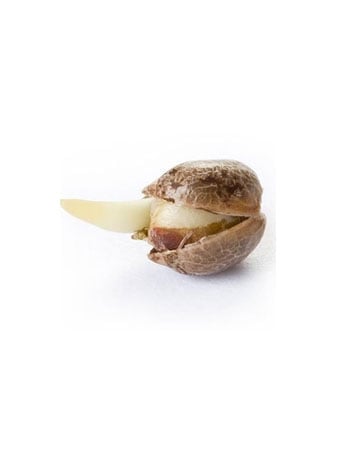
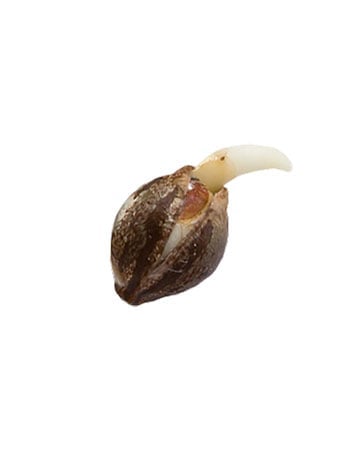
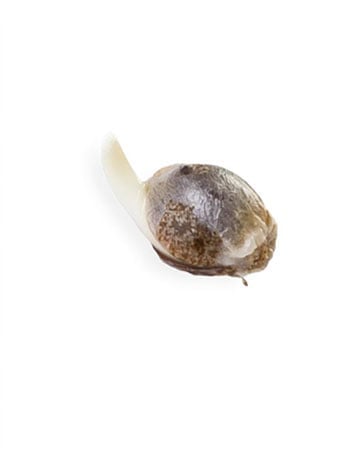
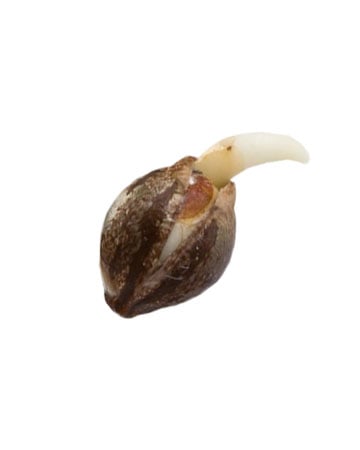
Our step-by-step germination guide provides easy-to-follow instructions for giving your Blue Lobster seeds an excellent start. If you have a glass, paper towels, and some water, you will be able to sprout your seeds in just three to seven days.
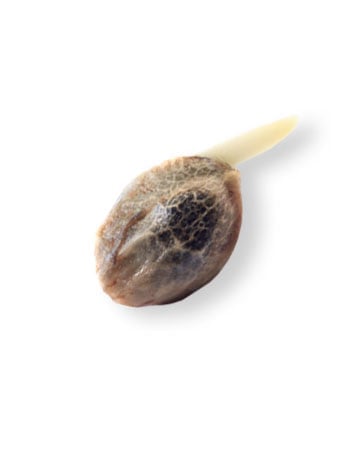
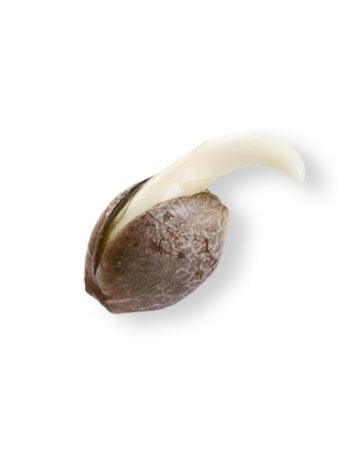
To begin, soak your seeds in a glass of water for up to 24 hours, wrap them in a damp paper towel, and store them in a dark, cool space (such as a drawer). Check your Blue Lobster seeds periodically, and within days, they will begin to sprout taproots! Plus, if you decide to try our technique, your seeds will be protected by our germination guarantee.
Yields
Blue Lobster’s reputation as a premium strain extends to its high-quality yields. Indoor cultivators can expect yields of up to 16 ounces per square meter, while outdoor growers can achieve up to 18 ounces per plant under optimal conditions.
Flowering Time and Harvest
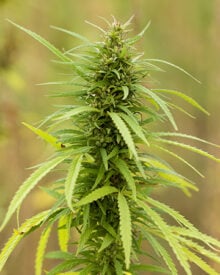
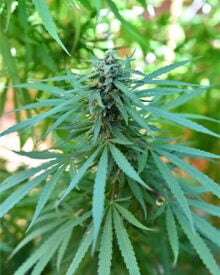
If you plan on growing this strain outdoors, it’s best to plant your seeds at the end of May—ideally when the weather is warm and the risk of frost has passed. Your plants will typically be harvest-ready by late September or early October—although it’s easy to check by keeping an eye out for key visual signs. Specifically, the trichomes on your plant will switch from clear to a milky-white hue with hints of amber. This means your Blue Lobster plants are at peak potency!
Indoor growers can plant any time of year so long as they maintain the proper light cycles and can expect a flowering period of 55-65 days.
Dominant Terpenes in Blue Lobster
Blue Lobster’s terpene profile is dominated by caryophyllene, limonene, and linalool. This dynamic trio composes a rich aroma and flavor, which many fans of this strain describe as fruity, floral, and with hints of spice. This robust profile complements the Blue Lobster strain’s high THC levels and offers a unique olfactory experience.
Dominant Cannabinoids in the Blue Lobster Strain
The Blue Lobster strain’s cannabinoid profile is centered around its high THC levels of 25%. This dominant cannabinoid is the driving force behind Blue Lobster’s powerfully psychoactive effects and produces an intensity and depth that is especially appealing to seasoned marijuana users.
While its high THC levels ensure a potent smoke, other cannabinoids, such as CBD, are present only in trace amounts, keeping the focus squarely on THC’s effects. This profile makes Blue Lobster a standout strain for those who love a mind-bending high, a more pronounced sensory experience, and a heightened perception of tastes, sights, and sounds.
Characteristics
Strain Genetics |
Apples & Bananas x Eye Candy |
|---|---|
Blend |
40% Sativa, 60% Indica |
Plant Sex |
Feminized |
Strain Type |
|
Flowering Time |
55-65 days |
Flowering Type |
Photoperiod |
THC Content |
25% |
CBD Level |
|
Effects |
Giggly, Calming, Euphoric, Uplifting |
Indoor Yield |
400–500 grams~16 ounces per square meter) |
Outdoor Yield |
400–500 g (~18 oz) per plant |
Flavor |
Floral, Fruity, Spicy |
Where to Grow |
|
Seed Type |
|
Plant Height |
|
Best Time of Use |
Daytime |
Growing Difficulty |
FAQ for Blue Lobster
Does Blue Lobster require enhanced odor control during flowering?
What training methods work best for Blue Lobster?
How important is humidity control during flowering?
What environmental conditions help maximize terpene expression?
How can growers identify the ideal harvest window?
How We’re Different From the Rest
From a 90% germination guarantee to real people on the phone, see how Growers Choice Seeds compares.
Reviews
Only logged in customers who have purchased this product may leave a review.
Showing 1-10 of 143
 25% THCa
Wedding Cake
Now$25.14
 26% THCa
![grow-cannabis-with-best-yield-results-Chernobyl-Feminized-Cannabis-Seed[1]](https://growerschoiceseeds.us/wp-content/uploads/2021/02/grow-cannabis-with-best-yield-results-Chernobyl-Feminized-Cannabis-Seed1.jpg "Buy Chernobyl")

SergeiS Verified Buyer
I grew this as my second photoperiod grow, coming from autoflowers. The learning curve was manageable. The genetics are forgiving of moderate mistakes. The harvest was the most visually impressive I’d produced.
justandres85 Verified Buyer
SCROG outperforms LST-only by 17g/m² in my setup. The lateral branching captures more bud sites per branch. Worthwhile technique.
SFields Verified Buyer
Humidity management protocol: maintained 45-50% RH weeks 1-4 of flower, 42-47% weeks 5-9. Dual oscillating fans from week five. Under this protocol: zero mold incidents. Dense, resinous bud clusters accumulate moisture without adequate airflow. Mid-canopy fan specifically important for lower bud sites in the compact indica structure.
joel_f Verified Buyer
What makes the aroma specifically complex rather than simply fruity is the gas undertone from the Jet Fuel Gelato lineage in the Apples and Bananas parent. The fruit is the first impression. The gas is the depth that prevents the profile from being uniformly sweet.
Niall_84 Verified Buyer
Dense, glassy, violet-and-frost. That’s what the jar looks like. Better than most dispensary photos.
Brendan N. Verified Buyer
Yield optimization: untrained versus trained comparison in same run. Untrained: 398g/m², dominant central cola with underdeveloped secondaries. Topping at node four + LST: 472g/m², even canopy distribution. SCROG + topping: 489g/m², best light penetration and bud site distribution. For yield-focused grows: SCROG is the optimal format for this genetics.
owen.t10 Verified Buyer
Five-run consistency analysis: yields 441, 472, 489, 463, 478 g/m². Mean 468.6g/m². CoV 3.6%. Aroma quality (blind panel, day 21 cure): above-average in all five runs, with blueberry-grape-apple identified as primary character in all five. Violet coloration: present without temperature manipulation in all five. Effect quality: euphoric-then-calming in all five cured batches. Genetics are stable and performance is reproducible.
Emily_33 Verified Buyer
Five phenotypes from two seed runs: all expressed blueberry-candy dominant aroma. Four expressed violet coloration without cold treatment. One showed only lavender undertone. The majority phenotype is the typical expression.
jollyLemon37 Verified Buyer
Opening a three-week-cured Blue Lobster jar in front of people who hadn’t smelled it produced the same response from three different groups over three occasions: immediate recognition of ‘something sweet and fruity,’ followed by identification of specific fruits, followed by ‘what is that cool thing at the back.’ The menthol note is the one that generates the follow-up questions.
rebeccam Verified Buyer
My carbon filter needed upgrading by week six. The blueberry-gas combination at full expression is genuinely pungent in a way that requires real filtration infrastructure. Plan for it before week five.