








 21% THCa



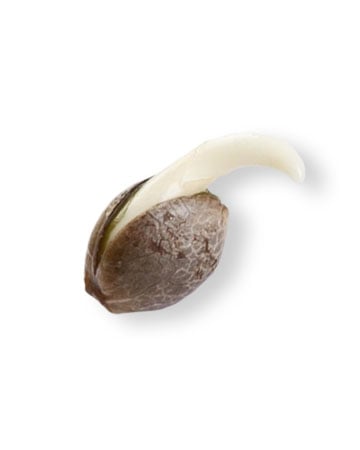


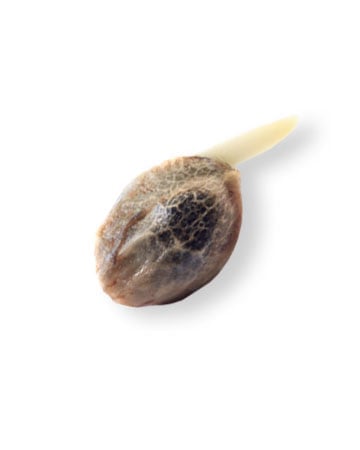


Photoperiod seeds are cannabis cultivars that depend on changes in light exposure to start flowering. These plants don’t flip to flower on their own like autoflowers do. Instead, growers trigger the flowering phase by adjusting the light cycle, usually switching from 18 hours of light and 6 hours of darkness to a 12/12 schedule.
This natural response to light is called photoperiodism. In simple terms, the plant senses how much daylight it gets and uses that as a signal to shift from growing leaves and branches to growing buds. This makes photoperiod seeds perfect for growers who like having full control over their plant’s size, shape, and yield.
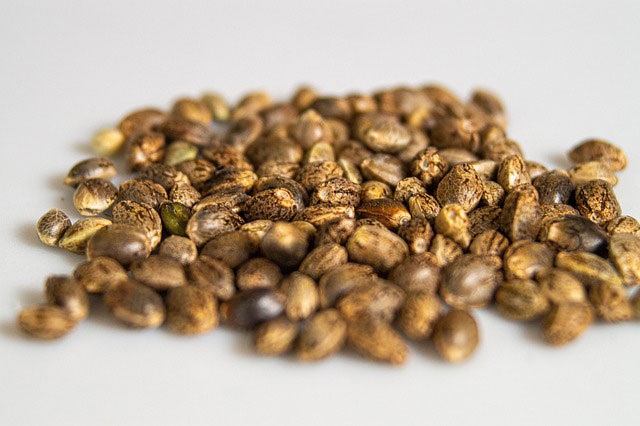
How Photoperiod Seeds Work
Photoperiod seeds work by reacting to light duration. Cannabis plants contain light-sensitive pigments called phytochromes that track day and night cycles. When the plant receives long periods of light, it stays in the vegetative stage, building structure and producing foliage. Once the light hours shorten, the plant reads this as a cue to start flowering.
Indoor growers can easily control this process with grow lights and timers. Keeping the lights on an 18/6 cycle maintains steady vegetative growth, while switching to a 12/12 schedule encourages bud production. Outdoor growers rely on the changing seasons, as natural daylight shifts from summer to fall. The plant’s internal rhythm adjusts to these signals, helping it know when to bloom.
Photoperiod Seeds vs Autoflowering Seeds
Photoperiod and autoflowering seeds differ in how they transition to the flowering stage. Photoperiod cultivars depend on specific light cycles, while autoflowers start flowering automatically after a few weeks of growth, no matter the light schedule.
Photoperiod seeds typically come from Cannabis sativa and indica genetics, offering a wide range of flavors, aromas, and growth patterns. Autoflower seeds include ruderalis genetics, which allow them to flower on their own. This trait makes autoflowers easier for beginners but limits the control more experienced growers might want.
Photoperiod plants usually take longer to finish but reward that patience with higher yields and stronger potency. Autoflowers are quicker and more forgiving, which makes them ideal for small spaces or short growing seasons. Each type serves a purpose, depending on how hands-on a grower wants to be.
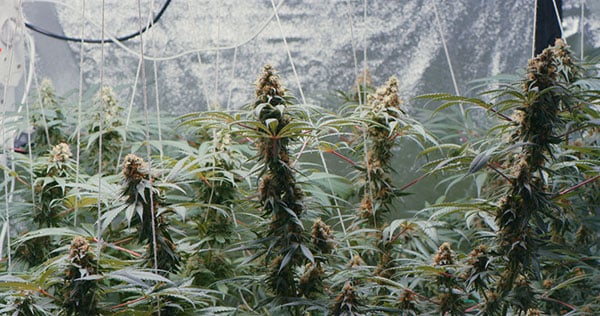
Growth Stages of Photoperiod Cannabis Plants
Photoperiod cannabis plants move through four main stages: germination, seedling, vegetative, and flowering. Each stage responds differently to light, which gives growers a lot of control over the process.
During the vegetative stage, most growers use an 18/6 light cycle to keep plants growing strong and bushy. This is the time to shape and train the plant since it won’t start producing buds until light exposure decreases. When the light cycle shifts to 12 hours of light and 12 hours of darkness, the plant recognizes the shorter days and begins to flower.
Outdoor growers depend on the natural shift in daylight that happens as summer fades. Indoor growers can start the flowering stage at any time by adjusting their lights. This control is one of the biggest reasons many experienced growers prefer photoperiod seeds.
Pros and Cons of Photoperiod Seeds
Photoperiod seeds give growers more control over the entire cultivation process, but that control comes with added responsibility. Here’s a quick breakdown of what to expect.
Pros
- Larger yields from longer growing periods
- Ability to clone plants for consistent genetics
- Wider variety of cultivars and phenotypes to choose from
Cons
- Requires managing light cycles carefully
- Longer total grow time compared to autoflowers
- Risk of stress or reversion if lighting is inconsistent
For growers who enjoy hands-on control and want the biggest, most customized harvest possible, photoperiod seeds are often the top pick.
Best Practices for Growing Photoperiod Seeds
Getting the best results from photoperiod seeds means staying consistent with lighting, timing, and environment. Even small light leaks or schedule changes can confuse the plant and slow progress.
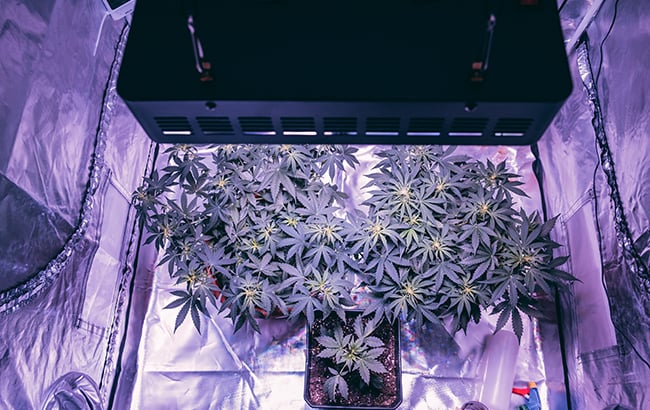
Use reliable grow lights such as LEDs or HPS lamps, and connect them to timers so the plants always get the same pattern of light and dark. During the vegetative stage, keep lights on an 18/6 cycle. When ready to flower, switch to 12/12 to trigger bud production.
Stable humidity, temperature, and airflow matter just as much as light. Good air circulation helps prevent mold, while moderate humidity and steady temperatures keep plants comfortable. Growers who stick to these basics often get strong, healthy plants with heavy yields.
Popular Photoperiod Cannabis Strains
Some of the most iconic cannabis cultivars are photoperiod types. These classics are known for their rich genetics, big yields, and reliable performance when light cycles are managed correctly.
Northern Lights is a famous Indica-dominant cultivar that delivers dense buds and strong growth. It thrives under controlled indoor lighting and produces thick, resin-rich flowers.
Super Silver Haze leans toward the Sativa side, offering tall plants with long flowering times and uplifting results. It performs best when given plenty of space and consistent light schedules.
Other favorites include White Widow, Blue Dream, and Girl Scout Cookies, all known for their stability and potency. What makes these cultivars “photoperiod” is their reliance on light changes to enter the flowering stage, which gives growers complete control over when and how they bloom.
FAQs About Photoperiod Seeds
Photoperiod seeds are cannabis cultivars that rely on light exposure to start flowering. They stay in the vegetative stage until the light cycle shifts, usually to 12 hours of light and 12 hours of darkness.
Autoflower seeds bloom automatically after a few weeks, no matter the light schedule. Photoperiod seeds need a change in light cycle to trigger flowering, giving growers more control over plant size and yield.
Use an 18/6 light cycle for vegetative growth and switch to 12/12 to start flowering. Consistent light timing is key to healthy growth and big yields.
Yes, photoperiod plants grow well outdoors. They naturally start flowering in late summer when daylight hours shorten. Many growers in temperate climates prefer this seasonal timing.
Photoperiod seeds can produce larger yields, offer more strain variety, and allow cloning. They’re ideal for growers who want full control over plant development and harvest timing.
You can buy top-quality photoperiod cannabis seeds directly from Growers Choice Seeds. Orders are shipped discreetly and safely to your home.
