







 21% THCa







Harvesting cannabis at the right time can make or break your grow. Pull it too early and you’ll lose out on flavor, potency, and density. Wait too long and the buds can start to degrade, mellowing out the experience. Every grower faces that moment of doubt—standing over their plants, loupe in hand, wondering if today’s the day.
Knowing when your cannabis is ready to harvest comes down to watching the signs your plants give you. Things like trichome color, pistil maturity, and aroma shifts are nature’s cues that the buds are hitting their peak. Once you learn to read them, you’ll time your harvest with precision and confidence, locking in the best mix of taste and strength your cultivar can offer.
Understanding the Cannabis Lifecycle
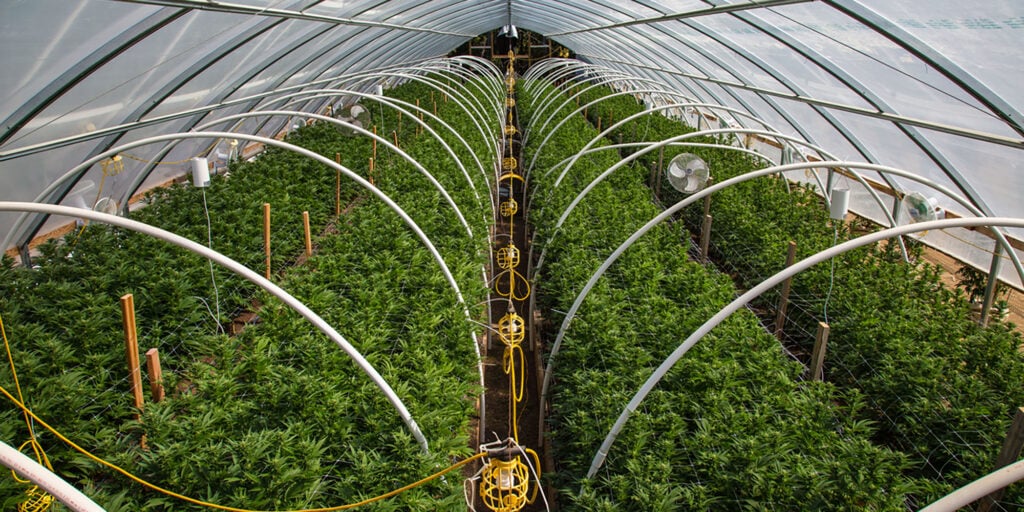
Before you can tell when cannabis is ready to harvest, it helps to understand the stages it goes through. Each phase of the plant’s life shapes how it looks, smells, and grows, and knowing what to expect makes it easier to spot when your buds have reached their peak.
Cannabis starts as a seedling, moves through the vegetative stage, and finally enters the flowering stage. Most cultivars spend 6 to 8 weeks in flower, but that can stretch longer for sativa-dominant types or shorten for indicas and autoflowers. During the flowering phase, buds stack up, trichomes begin to form, and resin production kicks into high gear.
Toward the end of the flowering stage, the plant begins to show signs of maturity—pistils darken, trichomes shift color, and the fan leaves may start to yellow. These are your early hints that harvest time is near. Recognizing these natural progressions helps you plan the final weeks of your grow instead of relying only on the calendar.
Key Visual Indicators of Readiness
Your plants will show you when they’re ready. You just need to know what to look for. The clearest signs come from the trichomes, pistils, and leaves. Each one tells a part of the story about how mature your buds are.
Trichome Color
Trichomes are the tiny, crystal-like glands that cover your buds and sugar leaves. They start out clear, then turn cloudy, and finally amber.
- Clear trichomes mean the plant isn’t ready yet.
- Cloudy or milky trichomes mark the peak THC content.
- Amber trichomes signal a shift toward more mellow effects.
Most growers aim for a mix of mostly cloudy with a few amber ones. You’ll need a magnifying tool, like a jeweler’s loupe or digital microscope, to really see them clearly.
Pistil Color and Curling
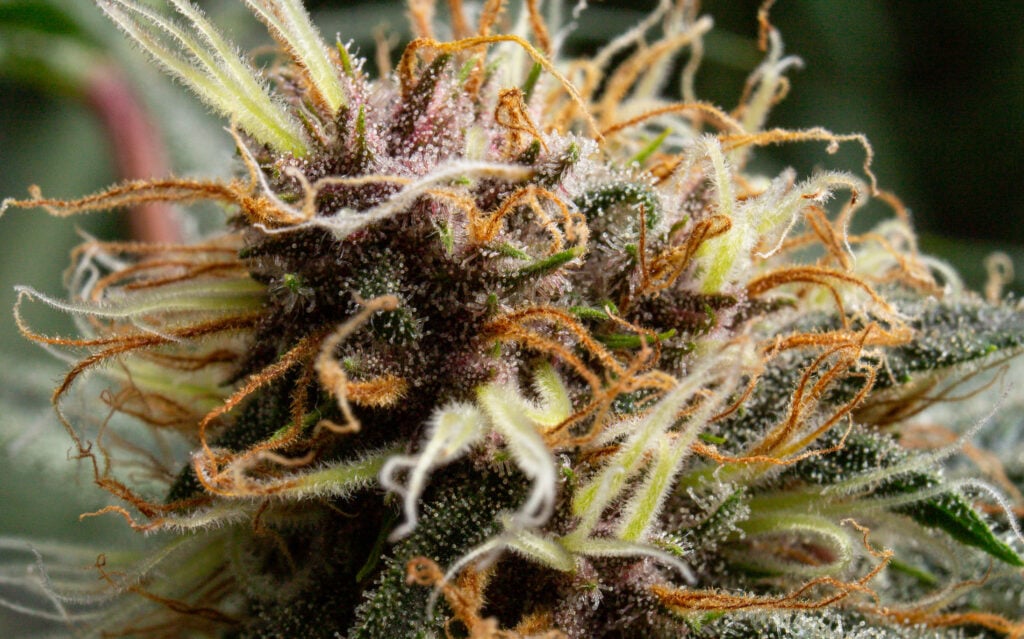
Those little hair-like pistils poking out from your buds change as harvest time approaches. When they’re bright white and sticking straight out, your plant is still growing. As they darken to orange or brown and start curling inward, it’s a strong sign that the buds are ripening. Once around 70 to 90 percent of them have changed color, your cannabis is likely ready to cut.
Leaf and Plant Coloration
As your plant nears the finish line, its colors begin to fade. Sugar leaves might yellow slightly, and the larger fan leaves can turn yellow and fall away as the plant redirects energy to the buds. This fading is normal and often a final indicator that harvest is just around the corner.
Smell and Aroma Cues
One of the most reliable ways to tell your cannabis is ready to harvest is through its scent. As the plant matures, the aroma deepens and becomes more complex, signaling that its terpene profile is at its peak.
During the last few weeks of flowering, your grow room or garden will likely fill with a strong, distinct smell unique to your cultivar. A fruity cultivar might lean heavy on sweet, tangy notes, while something with diesel or earthy genetics will smell sharper and more pungent. When the aroma reaches that rich, full-bodied stage that hits your nose as soon as you open the grow tent, your buds are close to harvest.
If you notice the scent starting to fade or shift toward a slightly “overripe” tone, the window is closing. That’s a sign your terpenes are starting to break down, and it’s time to get those trimmers ready.
Touch and Texture Cues
Your hands can tell you a lot about when cannabis is ready to harvest. As the buds mature, their feel changes from soft and airy to firm and sticky.
When your buds are still developing, they’ll feel light and a bit fluffy. As harvest time nears, they start to tighten up. The flowers become dense and springy when gently squeezed, and your fingers will pick up a sticky layer of resin. That tacky feel is the sign of heavy trichome production and mature resin glands.
If the buds start to feel overly dry or brittle while still on the plant, you might be running late. The trichomes could be degrading, which affects the flavor and potency. The ideal time to harvest is when the buds feel resinous and solid but not crisp.
Time-Based Guidelines (Strain-Specific)
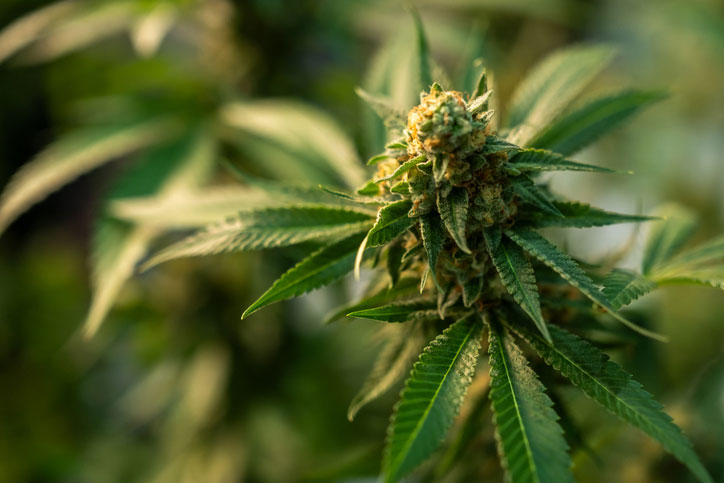
Every cultivar has its own rhythm. Some finish fast, others take their time. While visual and aroma cues are your best guides, knowing the general harvest window for your plant type helps you plan ahead.
Indica-dominant cultivars usually mature faster, often finishing in 6 to 8 weeks of flowering. Their shorter, bushier structure and compact buds make them quicker to ripen.
Sativa-dominant cultivars can take 10 to 12 weeks or longer to fully develop. Their airy bud structure and longer flowering period are balanced out by a more energetic and uplifting experience.
Hybrids fall somewhere between the two, depending on their genetics.
Autoflower cultivars work on a fixed schedule, typically ready 70 to 90 days from seed, no matter the light cycle. These are great for growers who want a faster, more predictable harvest.
Breeder recommendations are a good baseline, but use them alongside what you see and smell. The calendar gets you close; your plant’s signals tell you when it’s perfect.
Signs You’re Harvesting Too Early or Too Late
Timing your harvest is everything. Cut your plants too early, and you’ll end up with buds that look good but fall short in taste and potency. Wait too long, and you risk losing flavor and seeing THC convert into compounds that create a heavier, sleepier effect.
Harvesting Too Early
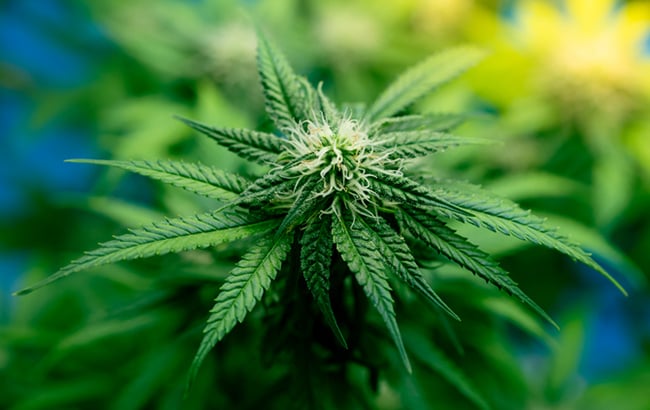
If you chop when trichomes are still mostly clear and pistils are bright white, the buds haven’t reached full maturity. They’ll likely be lighter in weight and have a grassy or unfinished smell. The smoke can feel a bit harsh, and the effects often come on short and fast. Early harvests also mean missing out on that full terpene and cannabinoid potential.
Harvesting Too Late
When trichomes are mostly amber and the pistils have turned dark brown, the plant has passed its peak. Buds harvested too late can taste dull and lose that signature aroma. They might also feel overly dry or crumbly, and the effects tend to be more sedative than uplifting.
If you realize your timing was off this round, use it as a reference point for your next grow. Every harvest teaches you something about your cultivar’s rhythm. Keeping notes on appearance, smell, and timing makes it easier to nail it the next time around.
Expert Tools to Help You Decide
Sometimes your eyes alone aren’t enough. Using the right tools can help you see details that make all the difference between “almost ready” and “perfectly ripe.”
Jeweler’s Loupe – A small magnifying lens that lets you check trichomes up close. Look for mostly cloudy trichomes with a few amber ones. That’s the sweet spot.
Digital Microscope – Gives a clear, zoomed-in look at your trichomes right on your phone or computer. It’s the best way to confirm the plant’s exact stage without guessing.
Smartphone Macro Lens – A quick, budget-friendly way to snap close-up shots of your buds and track their progress over a few days.
Harvest Calendar or Grow Journal – Keeping notes from seed to harvest helps you predict timing for future grows. Write down how long each cultivar took, what visual signs you noticed, and how the final product turned out.
Using these tools turns harvesting from a guessing game into a precise, repeatable process. Once you’ve got your method dialed in, you’ll start hitting peak ripeness every time.
Common Myths About Cannabis Harvesting
Every grower hears a few so-called “rules” about when to harvest, but not all of them hold up. Some are old traditions, others are straight myths that can lead to bad timing or wasted effort. Let’s clear a few of them up.
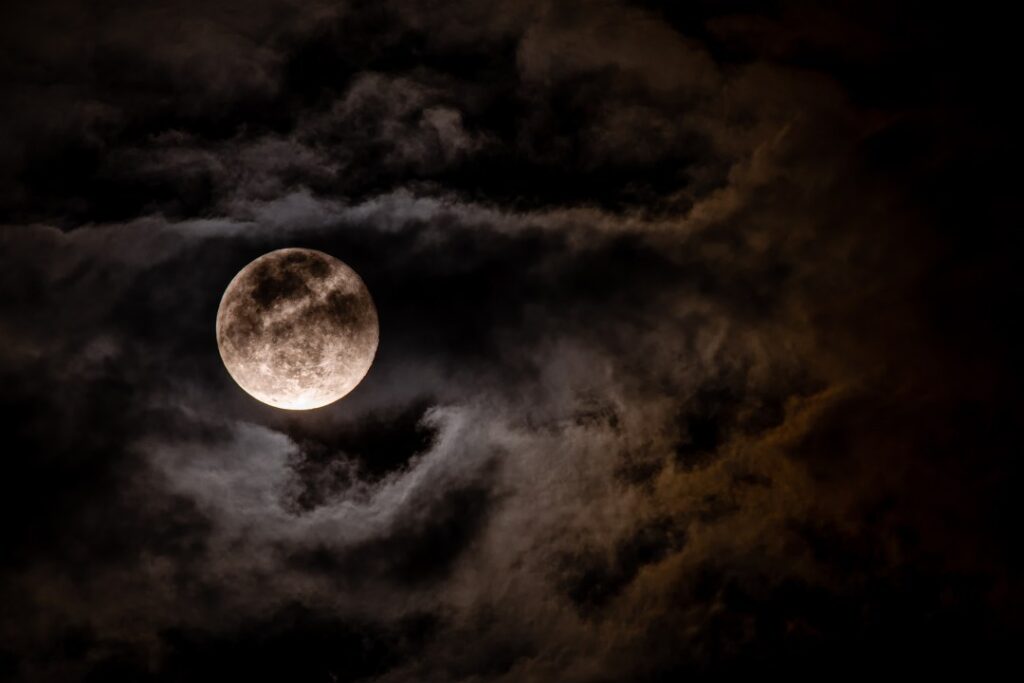
Myth 1: You should harvest during a full moon.
Some people believe moon phases affect plant potency or flavor, but there’s no proof. Light cycles and trichome maturity matter more than any lunar timing.
Myth 2: Flushing always improves flavor.
Flushing can help remove excess nutrients, but it’s not a magic fix. The real impact comes from how well you dry and cure your buds afterward.
Myth 3: The darker the trichomes, the stronger the weed.
Amber trichomes don’t always mean more potency—they often signal that THC is degrading into CBN, which creates a heavier, more relaxed effect.
Myth 4: You can tell harvest time by calendar dates alone.
Each cultivar grows at its own pace. Environmental conditions, genetics, and even stress levels affect when buds ripen. Use breeder timelines as a guide, but always trust what your plants show you.
When you let observation outweigh superstition, your harvests become more consistent and flavorful.
FAQs About Harvesting Cannabis
Look at your trichomes and pistils. Most growers harvest when trichomes are mostly cloudy with a few amber ones, and about 70–90% of pistils have darkened and curled in.
A jeweler’s loupe or a digital microscope lets you see trichome color clearly. Cloudy trichomes mean peak potency, while amber ones bring a more mellow effect.
Early harvests bring a lighter, more energetic vibe but less flavor and potency. Late harvests lean heavier and more sedative. The sweet spot is mostly cloudy trichomes with a few amber ones.
Yes. Indicas tend to finish in 6–8 weeks of flowering, while sativas can take 10–12 weeks or more. Hybrids and autoflowers fall somewhere in between.
Yes. As harvest nears, the smell becomes deeper and more complex. Once it starts fading or smelling overripe, the buds are past their prime and ready to cut.
