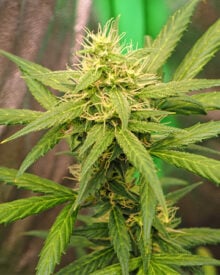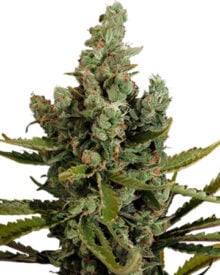





 21% THCa







One of the best ways to help ensure a successful harvest is to avoid common growing challenges before they occur. From aphids and spider mites to powdery mildew, cannabis plants can face a number of potential threats. Thankfully, there’s a natural way to sidestep these issues before they occur.
Neem oil is an organic, time-tested treatment that helps growers protect their plants from common garden invaders. Below, we’ll explore how to mix your own solution, when to use it, and why so many growers consider it a core part of their pest control routine.
How does neem oil work?
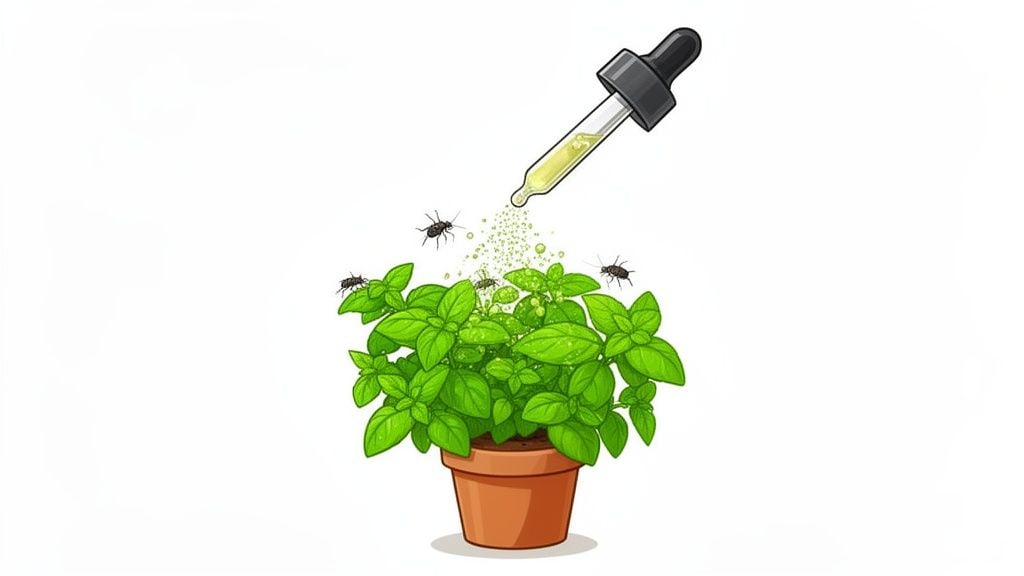
Neem oil comes from the seeds of the Azadirachta indica tree. Its pest-fighting power is thanks to a compound called azadirachtin, which disrupts the life cycle of common garden invaders. It’s not an instant-kill poison. Instead, it works in a more clever, systemic way by:
- Stopping pest growth: Neem oil prevents insect larvae from molting and maturing into adults, stopping the next generation in its tracks.
- Ruining bugs’ appetites: Pests that take a bite of a treated leaf find it so disgusting they simply stop eating.
- Acting as a repellent: Neem oil has a distinct, garlicky-sulfur scent. This aroma serves as a clear “keep out” sign for unwanted critters.
A Time-Tested Solution for Growers
Long before synthetic chemicals were around, farmers knew what was up with the neem tree. Its use as an organic pest control treatment for cannabis and other crops originated in traditional Indian agriculture, where it was both a trusted pesticide and soil enhancer for centuries.
A recently published master’s thesis from the Czech University of Life Sciences in Prague confirms just how effective even low concentrations of neem oil can be, especially against tough pests like spider mites (Tüten, 2024). The paper highlights that a 5 ml/l neem oil formulation achieved a 76.6% control of mite populations. The treated plants showed far less leaf damage than the control group, showcasing neem’s power without the need for harsh synthetic chemicals.
Ultimately, bringing neem oil into your routine is about protecting your investment—the time, effort, and high-quality seeds you started with. A healthy plant is a productive plant, and keeping it free from the stress of pests and disease is a critical step.
How to Mix Neem Oil Spray
A bad batch of neem oil can either scorch your leaves or do absolutely nothing to the pests you’re trying to kill. If poured directly into water, the oil will separate instantly—like oil and vinegar in a salad dressing.
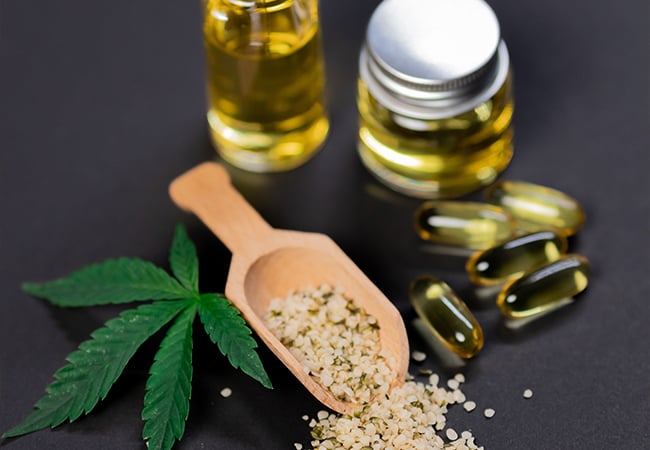
Photo by Kindel Media on Pexels
The secret to a stable, effective spray is using an emulsifier. A gentle, organic liquid soap, like simple castile soap or Dr. Bronner’s, helps the oil disperse evenly throughout the water, making sure every drop of your spray has the pest-fighting power you need.
The better the extraction method, the better the protection.
Choosing Your Ingredients
Not all neem oil is created equal. Growers are encouraged to use 100% cold-pressed, pure neem oil. This version keeps the highest concentration of azadirachtin—the active compound that really messes with pests. Steer clear of products labeled “neem oil extract,” as they’re often weaker and less effective.
Here’s a quick checklist for your mixing station:
- 100% Cold-Pressed Neem Oil: The star of the show.
- Liquid Soap Emulsifier: A few drops of simple, unscented castile soap are perfect. Don’t use antibacterial soaps or heavy detergents with degreasers.
- Warm Water: Using warm (not hot) water helps the oil and soap blend together much more smoothly than cold water ever will.
- A Sprayer: A basic one-gallon garden sprayer is all you need.
Field-Tested Recipes for Your Grow
The strength of your mix really depends on what you’re trying to do. Are you just keeping pests from showing up, or are you in the middle of a full-blown war? Here are the two recipes I’ve relied on for years.
For Preventative Maintenance (Lighter Mix)
This is your go-to for regular upkeep on healthy plants during the vegetative stage. It’s a great way to stay ahead of problems.
- Start with 1 gallon of warm water in your sprayer.
- Add 1 teaspoon of your 100% cold-pressed neem oil.
- Add 1/2 teaspoon of your liquid soap.
- Seal it and shake the hell out of it until everything is milky and fully combined.
For Active Infestations (Stronger Mix)
When you’ve already spotted pests like spider mites or aphids, it’s time to hit them a little harder with this more potent recipe.
- Begin with 1 gallon of warm water.
- Add 2 teaspoons of 100% cold-pressed neem oil.
- Add 1 teaspoon of the liquid soap.
- Shake it like crazy to make sure you have a completely emulsified solution.
A quick pro-tip: always remember to shake the sprayer occasionally while you’re applying it. Even with a good emulsifier, the mixture can start to separate over time. A quick shake every few minutes keeps it consistent and effective.
The All-Important Patch Test
Different strains have different sensitivities; what a robust modern hybrid can handle might be too much for a delicate heirloom variety you’ve been working on. Before you spray your entire crop, do a patch test by spraying a small amount of your mixture on a single, lower fan leaf. Then, wait 24-48 hours and check for any signs of stress—look for yellowing, spotting, or leaf burn. If that leaf still looks happy and healthy, you’re good to go.
The Best Times to Apply Neem Oil on Cannabis
Timing is an important factor when using neem oil on your cannabis plants. For example, if you spray your plants at noon, you’ll likely fry your fan leaves. Spray too late into the flowering stage, and there’s a good chance you’ll ruin the buds’ taste.

Photo by Kindel Media on Pexels
Avoid intense light after spraying
Oil on a leaf’s surface acts like a magnifying glass under powerful grow lights or the hot afternoon sun. This leads to phytotoxicity—a fancy word for leaf burn. You’ll see ugly yellow or brown spots appear wherever the light was too intense. This can also stress your plants, tank their ability to photosynthesize, and lead to other issues like drooping. If your plants look unhappy after a spray, it’s worth checking for other issues. Our guide on fixing cannabis leaf curl is a great resource for figuring out if something else is going on.
The right time of day
For indoor growers, the perfect time is right before your lights are scheduled to turn off for their dark cycle. This gives the oil hours to soak in and dry without any risk of burning. Outdoor growers’ best bet is to spray at dusk, just as the sun is going down. As a bonus, this also minimizes contact with beneficial insects like bees, which are much less active in the evening.
The right growing stage
The vegetative stage is your prime window for building a strong defense. Your plants are focused on explosive leafy growth and are incredibly resilient. Most growers find that spraying their plants every 7-10 days creates a strong, protective barrier on leaf surfaces and repels pests before they have the chance to multiply.
Just make sure to be thorough. Pests like spider mites and aphids love to hide out on the undersides of leaves where they’re protected. Complete coverage will include:
- The tops of the leaves: A light, even mist across the whole canopy is all you need.
- Underside of the leaves: This is absolutely critical. Tilt your sprayer nozzle up and get the bottom of every single fan leaf.
- Stems and nodes: Don’t forget the main stalk and the little crevices where branches meet. Pests love hiding in there.
The cut-off point
Stop using neem oil once your buds start to form and stack. Pistil development typically occurs around the second or third week of the flowering stage for most strains.
The timing here is important, because neem oil has a strong, pungent smell and bitter taste. If that residue is applied to developing flowers, it will stick around all the way through harvest, drying, and curing. This will result in a harsh, oily smoke that tastes terrible and can often completely mask your plants’ natural terpene profile.
If you come across a true pest emergency during the flowering stage, carefully apply a diluted neem solution with a cotton swab directly to fan leaf stems and affected leaves, making sure to avoid the buds entirely. This should only be used as a last resort, though, as prevention during the vegetative stage is always the best strategy.
To make things easier, here’s a quick-reference guide showing when and how to apply neem oil throughout your cannabis plant’s lifecycle
Neem Oil Application Schedule by Growth Stage
| Growth Stage | Application Frequency | Purpose | Key Precaution |
| Seedling/Clone | Once, after true leaves appear | Acclimate young plants, prevent early infestation | Use a weaker 0.5% dilution to avoid shocking them |
| Vegetative | Every 7-10 days | Prevention: Build a protective barrier, control pests | Ensure full coverage, especially under leaves. Stop 1 week before flipping to flower |
| Early Flower (Weeks 1-2) | Once, if absolutely necessary | Final preventative spray before significant bud formation | LAST CHANCE FOR FOLIAR SPRAY. Avoid all pistils/bud sites |
| Mid-to-Late Flower | DO NOT SPRAY | None – risk of ruining taste and aroma is too high | Switch to non-spray IPM (beneficial insects, manual removal) |
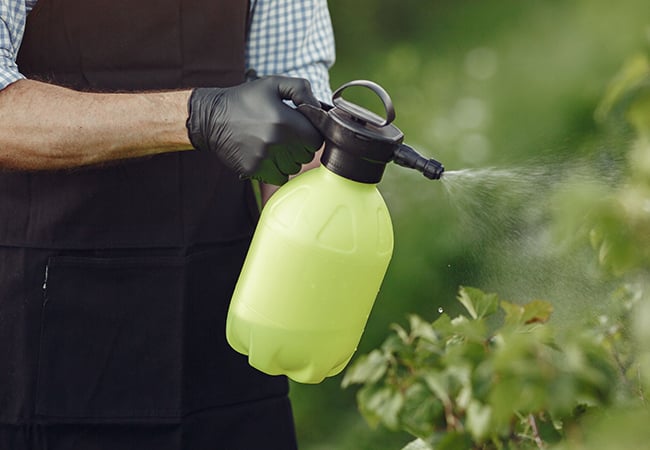
Photo by Gustavo Fring on Pexels
This schedule helps you leverage the power of neem oil when it’s most effective and safest for your plants, ensuring a clean and potent final product.
Targeting Common Cannabis Pests and Diseases
While neem oil is an incredible tool in a grower’s arsenal, it’s not a silver bullet for every single issue that may arise. However, it’s quite effective against these three big troublemakers: spider mites, aphids, and powdery mildew.
Beating Spider Mites and Aphids
Spider mites spin delicate, silky webs under the leaves and leave behind tiny white or yellow specks after sucking the life out of your plant. Aphids are another common sap-sucker, usually found huddled up on new growth or the undersides of leaves.
Neem oil hits these soft-bodied pests with a multi-pronged attack, serving as:
- A suffocant: The oil coats their bodies and clogs their spiracles—the tiny holes they breathe through.
- An antifeedant: The active ingredient, azadirachtin, makes the plant taste awful to them. One bite and they’re done.
- A growth regulator: If pests do ingest it, azadirachtin messes with their hormones, stopping larvae from molting and maturing into adults.
The moment you see the first signs of webbing, or a cluster of aphids, it’s go-time! Give your plants a thorough spray, hitting the undersides of every leaf. This will shut down an infestation before it spirals out of control.
Tackling Powdery Mildew
Powdery mildew (PM) is that frustrating fungus that looks like someone dusted your fan leaves with flour. It thrives in humid conditions with poor airflow and can smother your leaves, blocking photosynthesis and wrecking your harvest.
Neem oil’s approach to PM is less about a direct assault and more about changing the environment. The oil alters the pH on the leaf’s surface, making it a terrible place for fungal spores to germinate and spread. It’s like changing the locks so the intruders can’t get in.
When you spray for PM, you’re not just spot-treating the existing mildew. You’re creating a protective film over the entire plant to stop new spores from ever taking hold, making complete coverage especially important.
Photo by Will Goodman on Unsplash
Understanding the limits of neem oil
While neem oil is a remarkably effective, organic approach to pest management and mildew, it’s also important to understand what it doesn’t do. For instance, it’s not the best choice for larger, hard-bodied insects like grasshoppers or certain beetles. It also won’t help with bud rot (Botrytis), which is a completely different fungal issue that demands better airflow and humidity control, not a foliar spray.
Understanding these limits is key to building a smart Integrated Pest Management (IPM) strategy. A truly solid IPM plan incorporates good environmental controls, proper plant spacing, and maybe even beneficial insects.
For growers who want to build a complete defense strategy, knowing the full spectrum of potential threats is vital. You can find detailed guides on identifying and dealing with all sorts of issues in our library on cannabis diseases and pests.
A Quick Word on Safety and Storage
Just because neem oil is organic doesn’t mean you can get careless. This is about protecting yourself, not just your plants. When you’re foliar spraying anything, it’s smart to take a few basic precautions.
- Wear Gloves: It’s an oil. While it’s not highly toxic, you don’t really want it soaking into your skin.
- Avoid Inhaling It: A simple dust mask is all you need to keep from breathing in the fine mist.
- Protect Your Eyes: A pair of safety glasses is a no-brainer. You don’t want this stuff in your eyes.
Proper storage is also crucial for keeping your neem oil effective. Tuck the bottle away in a cool, dark place. Sunlight and heat will degrade the key active ingredient, azadirachtin, making the oil useless over time. A cabinet in your garage or a cool closet is perfect.
A Final Note
The goal for any grower is a healthy, thriving crop. Whether you’re nurturing a few autoflowers in a small tent or planning for a larger, outdoor grow, prevention is always better than a cure. Using neem oil correctly sets you up for a pest-free grow, from cannabis seed to harvest. If you’re looking for even more ways to lock in a successful harvest, our cannabis knowledge base can provide key insights for every stage of the process. It all starts with giving your plants the protection they need to hit their full potential.
A healthy, resilient crop also starts with high-quality seeds. At Growers Choice Seeds, we offer lab-tested, premium cannabis seeds backed by our 90% germination guarantee. We invite growers of all skill levels to explore our collection of over 500 high-quality strains and start your grow with a solid foundation.
References
Tüten, A. (2024). Efficacy of azadirachtin on Cannabis sativa pest Tetranychus urticae*.* Master’s thesis, Czech University of Life Sciences Prague. https://theses.cz/id/upyszi/53182110
FAQs
Can I use neem oil during flowering?
This is the big one, and the answer is a hard no. Spraying neem oil late into flower leaves a foul, oily film all over your buds. That residue will negatively impact the final taste and fragrance of the buds.
Will neem oil harm beneficial insects?
Good news here. One of the best things about neem oil is how much gentler it is on the “good bugs” in comparison to harsh chemical pesticides. It works mainly on pests that chew on or suck sap from your plants. Because predators like ladybugs and lacewings don’t feed on the plant itself, they’re mostly in the clear.
That said, a direct spray can still smother or harm them. To keep your beneficials safe, always apply neem oil in the evening when they’re less active. And if you’re releasing a crew of predatory insects into your garden, give it a few days after your last neem application to let them get settled in.
How long does mixed neem oil last?
Mix it and use it, all in one go. Once neem oil is combined with water and soap, its active compounds (especially azadirachtin) start breaking down within a few hours. By the 8-hour mark, it’s often lost its effectiveness entirely.
Can I use neem oil in a soil drench?
Yes! Using a soil drench is also an incredibly effective way to go after pests that live in the root zone, such as fungus gnat larvae or root aphids.
When you drench the soil, the plant’s roots soak up the azadirachtin. It travels up through the plant’s vascular system, essentially making the plant itself toxic to any pest that tries to feed on it. It’s an inside-out defense.
Use the exact same dilution you use for your foliar spray. Pour the mix onto the soil at the base of your plant, continuing until you get a little bit of runoff from the bottom of the pot. This is a perfect technique to rotate with your foliar sprays.