





 21% THCa







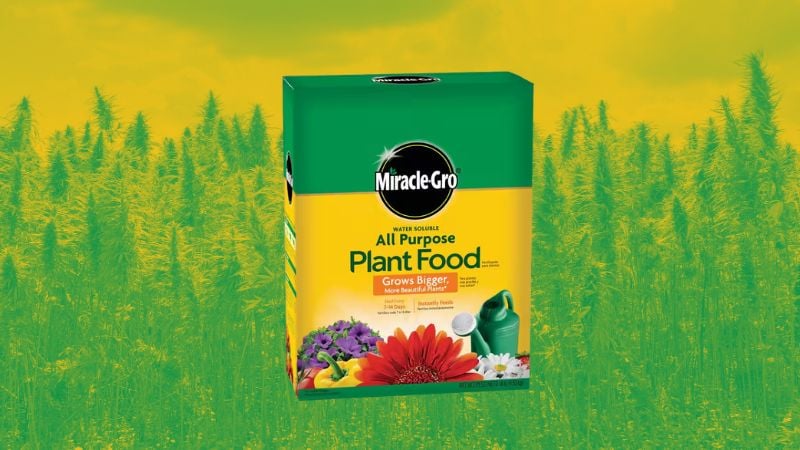
Walk into any garden center and you’ll see Miracle-Gro stacked everywhere. It’s cheap, easy to grab, and a lot of growers have tried it at some point. The question is whether it actually plays nice with cannabis cultivars or if it creates more problems than it solves.
Miracle-Gro was built for general gardening, not cannabis. It feeds plants with a steady stream of nutrients, which sounds convenient, but cannabis tends to prefer more control at each stage of growth. That gap is where most of the issues come from. Some growers get decent results, especially in outdoor setups or with tougher cultivars. Others run into burned leaves, slow growth, or weird nutrient imbalances that are hard to fix once they show up.
There’s no one-size answer here. when we’re talking about using Miracle-Gro for cannabis plants. It can keep a plant alive and growing, but dialing in quality and consistency gets tricky. If you understand how it behaves in the soil and what your plant is asking for, you can make it work. If not, it can turn into a frustrating grow pretty fast.
This guide breaks it down in plain terms so you know exactly what you’re getting into before you mix it into your next run.
What Is Miracle-Gro and How Does It Work?
Miracle-Gro is a synthetic fertilizer made by Scotts Miracle-Gro Company, and it’s built to feed plants fast and consistently. At its core, it’s all about NPK, which stands for nitrogen, phosphorus, and potassium. Those are the three main nutrients every plant needs to grow, including cannabis cultivars.
You’ll usually see Miracle-Gro in two forms. One is water-soluble fertilizer that you mix into water and feed directly. The other is slow-release fertilizer, which is already mixed into soil and releases nutrients over time. That second one is where things get a little tricky for cannabis.
Here’s how it actually works in the soil. When you water your plant, the fertilizer starts breaking down and releasing nutrients into the root zone. The roots take in those nutrients and use them for growth. Sounds simple, and it is on paper.
The catch is that slow-release formulas don’t really care what stage your cannabis plant is in. They just keep feeding. Cannabis usually wants different nutrient levels during veg and flower, so that constant release can throw things off. You might end up feeding too much nitrogen during flowering without even realizing it.
With the water-soluble version, you’ve got more control. You decide how much to feed and when. That’s a lot closer to how most growers handle cannabis nutrients.
So yeah, Miracle-Gro works the way it’s supposed to. It feeds plants. The real question is whether that feeding style lines up with how cannabis cultivars actually like to grow.

Can You Use Miracle-Gro for Cannabis Plants?
Short answer, yeah, you can use Miracle-Gro for cannabis. It’ll grow a plant. The better question is how well it works once you start paying attention to quality, yield, and how dialed-in your grow feels.
Cannabis cultivars are a bit picky compared to regular garden plants. They don’t just want nutrients, they want the right nutrients at the right time. Miracle-Gro doesn’t really adjust for that. It just keeps feeding.
If you’re using the water-soluble version, you’ve got a shot at making it work. You can mix lighter doses, watch how your plant reacts, and tweak things as you go. That’s way closer to how most people feed cannabis.
The slow-release stuff is where things get sketchy. You don’t control when nutrients hit the roots. So if your plant is already fed and those pellets kick in again, you can end up with nutrient burn pretty fast. Crispy leaf tips, dark green leaves, and that clawing look are all signs you pushed it too far.
Some growers still run Miracle-Gro, especially outdoors or on a first grow where they’re just trying to keep things simple. And honestly, a tough cultivar can handle it better than a sensitive one.
So, yes, you can use Miracle-Gro when growing cannabis. Just don’t expect it to behave like nutrients made specifically for cannabis. The more control you want, the more you’ll notice its limits.
When Miracle-Gro Can Work for Cannabis
Even with all the downsides, Miracle-Gro can still get the job done in the right setup. It’s not the go-to for most experienced growers, but there are situations where it actually makes sense.
If you’re just starting out, keeping things simple matters. Mixing up complicated feeding schedules can feel like a lot at first, so using something straightforward like Miracle-Gro can help you get a plant from seed to harvest without overthinking every step.
Outdoor grows are where Miracle-Gro tends to perform better. The environment is more forgiving, and plants usually have more space to stretch their roots. That helps balance out some of the issues you’d run into indoors.
Stronger cannabis cultivars can deal with it too. Some plants just don’t react as dramatically to nutrient swings, so they’ll keep pushing through even if the feeding isn’t perfectly dialed in.
The key is expectations. If you’re chasing top-shelf results and full control, you’ll probably outgrow Miracle-Gro pretty fast. If you’re just trying to grow healthy plants and learn the basics, it can hold you over without making things complicated.

Why Some Growers Avoid Miracle-Gro
A lot of growers skip Miracle-Gro once they’ve done a run or two, and it usually comes down to control. Cannabis cultivars don’t just want food, they want timing and balance. Miracle-Gro doesn’t really give you that, especially with the slow-release stuff.
The biggest issue is how unpredictable it can feel. Those little nutrient pellets in the soil keep releasing every time you water, whether your plant needs it or not. That’s how people end up overfeeding without realizing it.
Salt buildup is another thing that creeps up. Synthetic fertilizers leave behind residue in the soil over time. That buildup can mess with the root zone and make it harder for your plant to take in nutrients properly. Even if you’re feeding, the plant can act like it’s starving.
Then there’s nutrient lockout. That’s when the plant can’t absorb what’s already in the soil, so growth slows down and leaves start looking off. Yellowing, burnt tips, weird discoloration, all of that can show up pretty quickly.
For growers who like to fine-tune things, Miracle-Gro just feels a little too hands-off in the wrong way. It keeps feeding no matter what stage your plant is in, and that doesn’t always line up with how cannabis cultivars actually grow.
Miracle-Gro Soil vs Cannabis-Specific Soil
This is where things really start to separate. Miracle-Gro soil might look like an easy grab, but it’s built for general plants, not cannabis cultivars.
Miracle-Gro potting mix usually comes loaded with slow-release nutrients right out of the bag. That means your plant starts getting fed immediately, and it keeps getting fed every time you water. Sounds convenient, but you’re not in control of what’s going into the root zone.
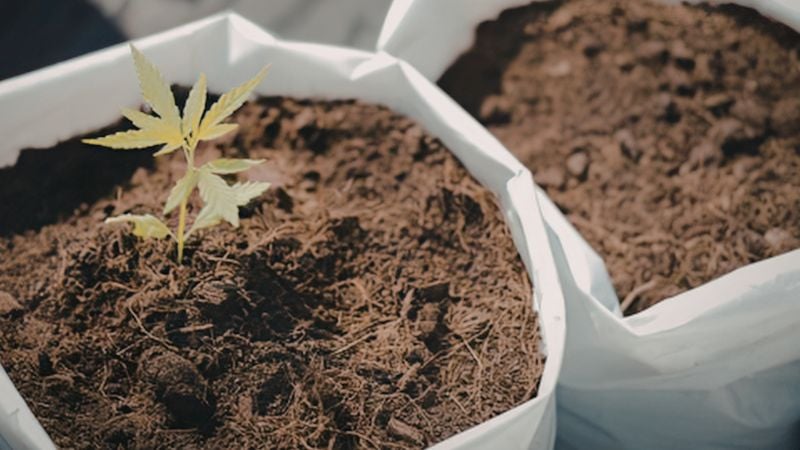
Cannabis-specific soil is a different vibe. It’s usually lighter, with stuff like perlite or coco coir mixed in to improve airflow and drainage. That gives roots more oxygen and makes it easier to control how and when you feed.
With Miracle-Gro soil, you’re kind of locked into whatever nutrient mix is already in there. If your plant starts reacting badly, there’s not much you can do besides ride it out or transplant. With cannabis soil, you’ve got way more flexibility to adjust things as you go.
So yeah, both will grow a plant. The difference is control. Miracle-Gro soil feeds on autopilot. Cannabis soil lets you actually steer the grow.
How to Use Miracle-Gro Safely with Cannabis
If you’re set on using Miracle-Gro, the whole game is control. You want to feed lighter than you think and pay attention to how your plant reacts instead of just following the label.
The safest route is sticking with the water-soluble version. Skip the slow-release soil if you can. Mixing your own feed gives you way more control over what’s going into the root zone.
Start with a weak mix, like half strength or even less. Cannabis cultivars don’t need heavy feeding right away, and it’s way easier to add more than to fix overfeeding. If the leaves stay healthy and growth looks steady, you’re in a good spot.
Keep your watering consistent too. Overwatering can push more nutrients into the soil than you expect, especially with anything that lingers in the medium. Let the soil dry out a bit between waterings so the roots can breathe.
pH matters more than people think. If your water is way off, your plant won’t absorb nutrients properly, even if they’re there. That’s when you start seeing weird deficiencies that don’t make sense.
At the end of the day, using Miracle-Gro with cannabis is all about staying light-handed and watching your plant closely. It’ll tell you pretty quickly if you’re on track or pushing it too far.
FAQs
Can you use Miracle-Gro for cannabis plants?
Yeah, you can. It’ll grow a plant, but it’s not built specifically for cannabis cultivars, so you’ll need to be careful with how much you feed.
Is Miracle-Gro safe for autoflower cannabis?
It can be, but autoflowers are more sensitive to nutrients. Light feeding and close monitoring go a long way.
Why do growers avoid Miracle-Gro for cannabis?
The slow-release nutrients can be hard to control, which can lead to overfeeding, salt buildup, and uneven growth.
What’s better than Miracle-Gro for cannabis?
Nutrients made for cannabis give you more control over feeding, especially during different growth stages.