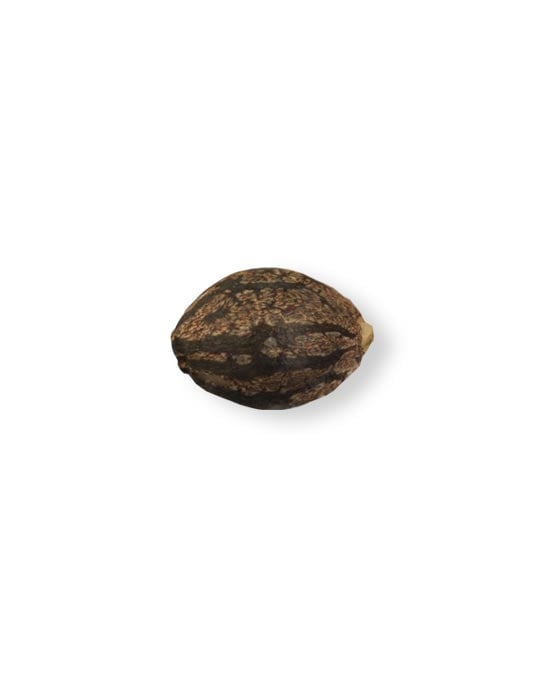
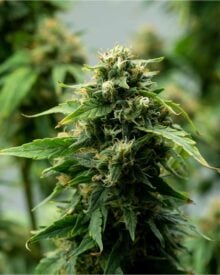
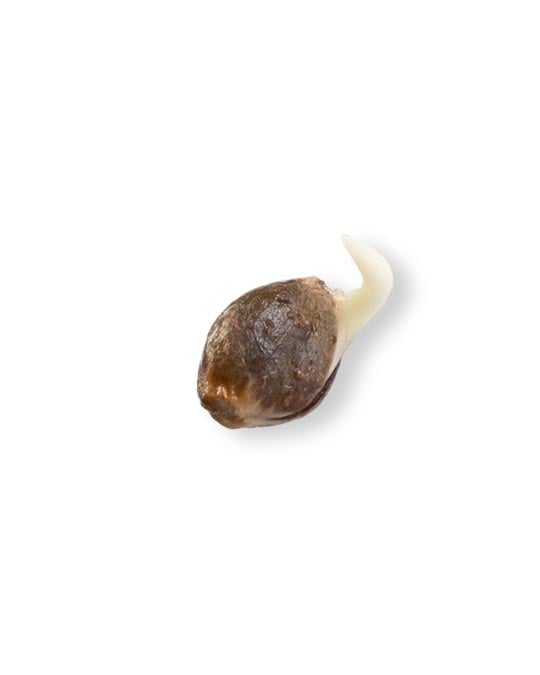
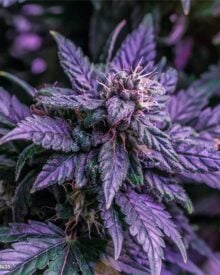
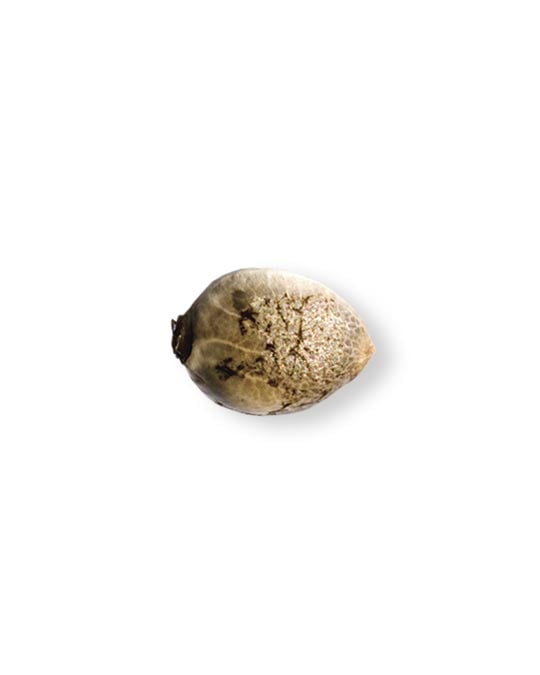
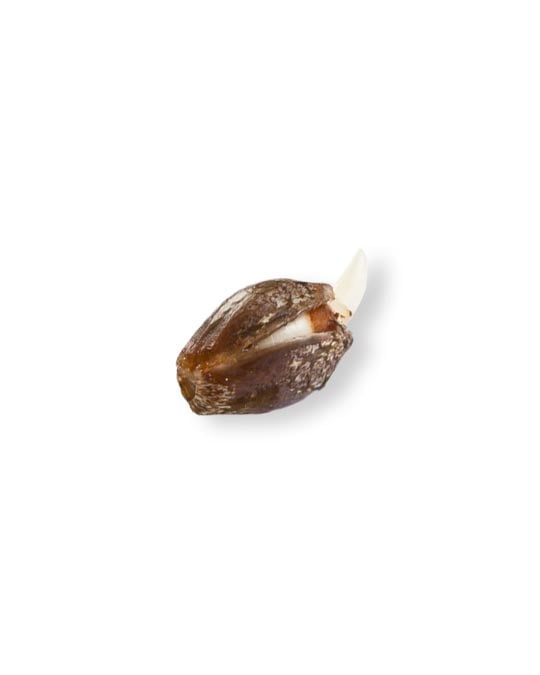
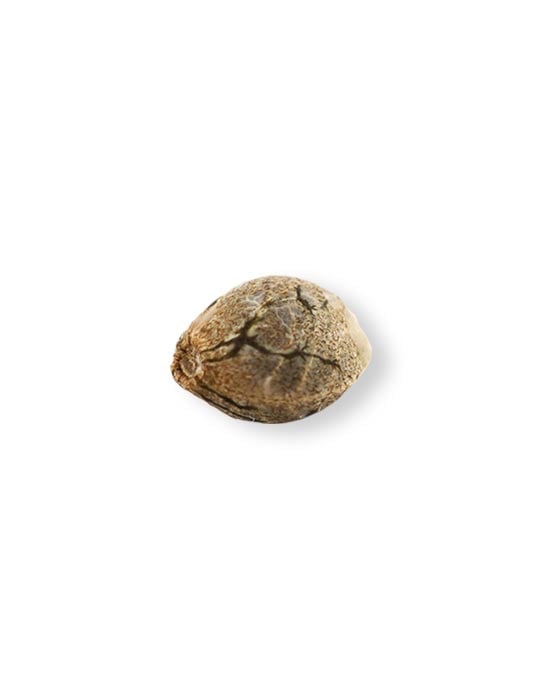
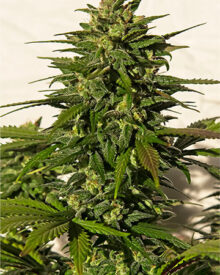
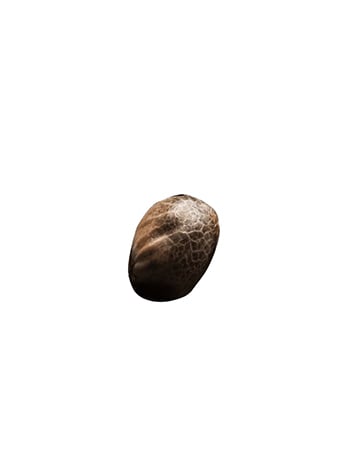
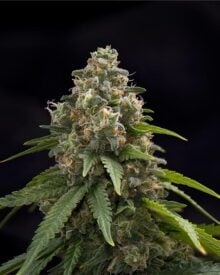
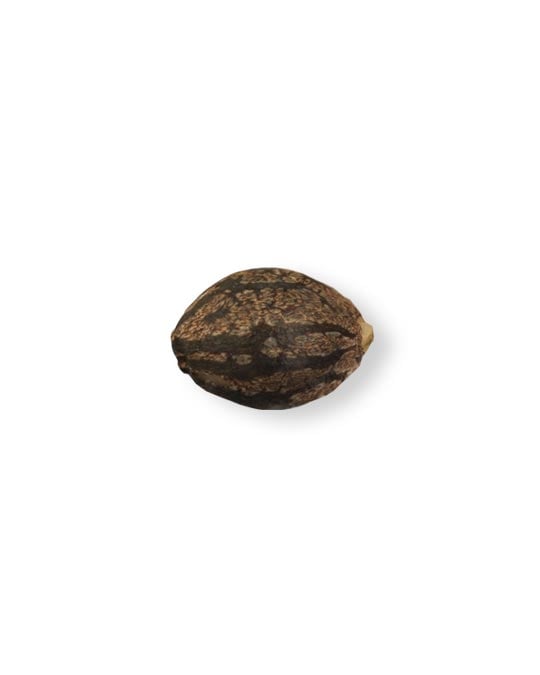
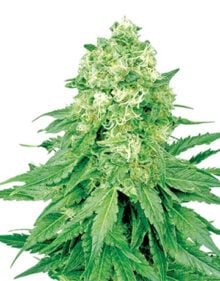
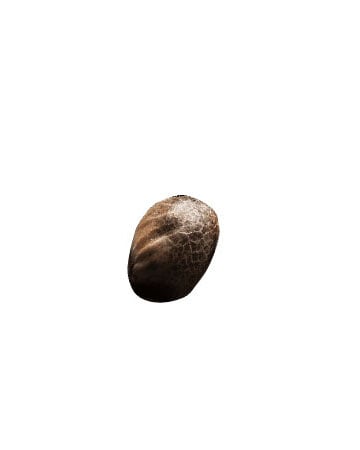
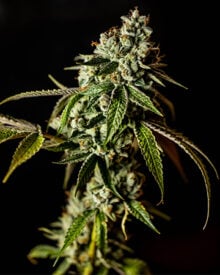
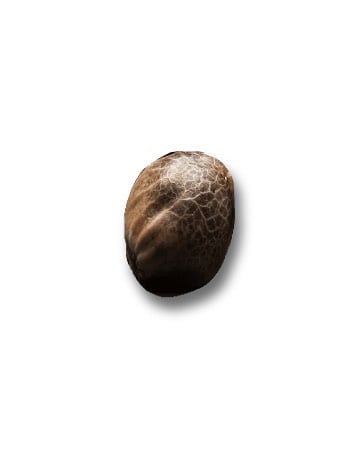
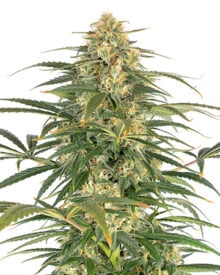
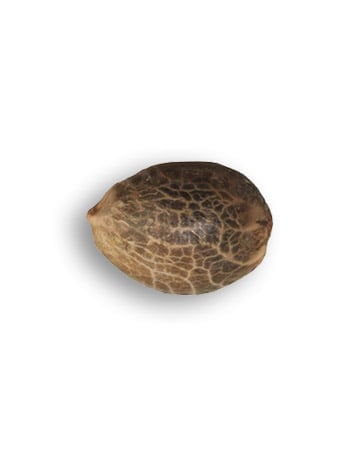
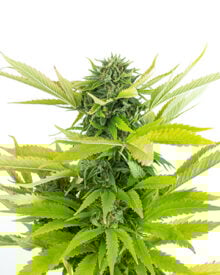
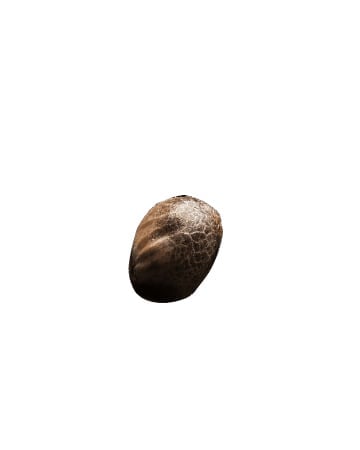
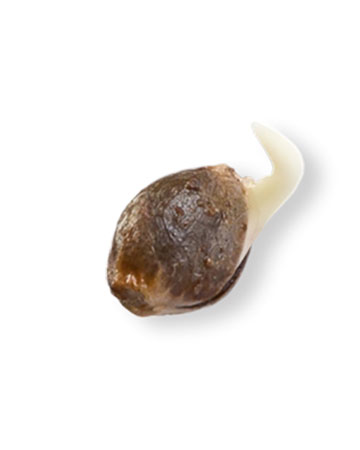
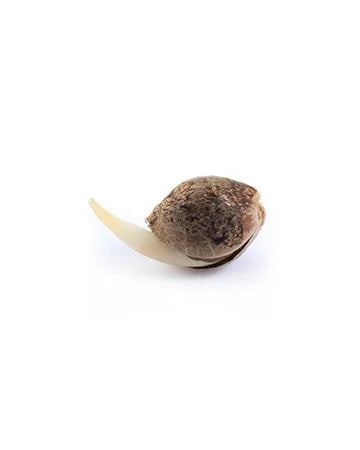
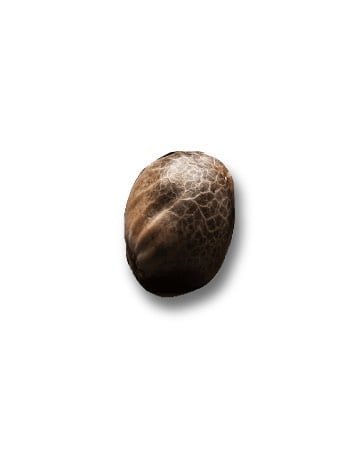
What Are Photoperiod Cannabis Seeds?
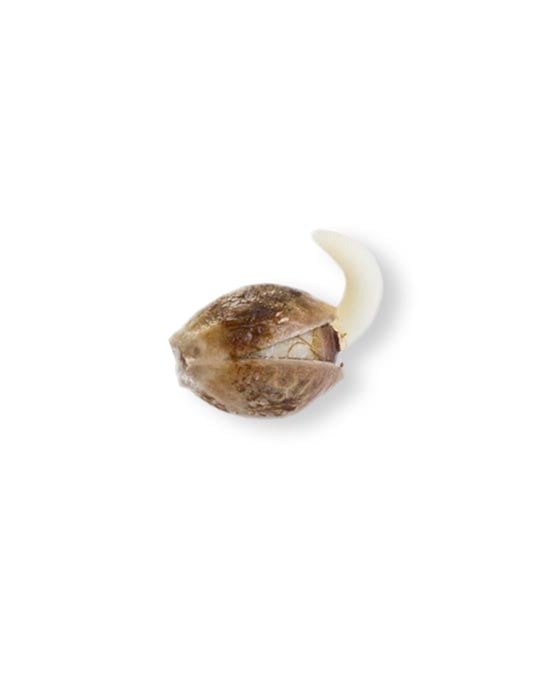
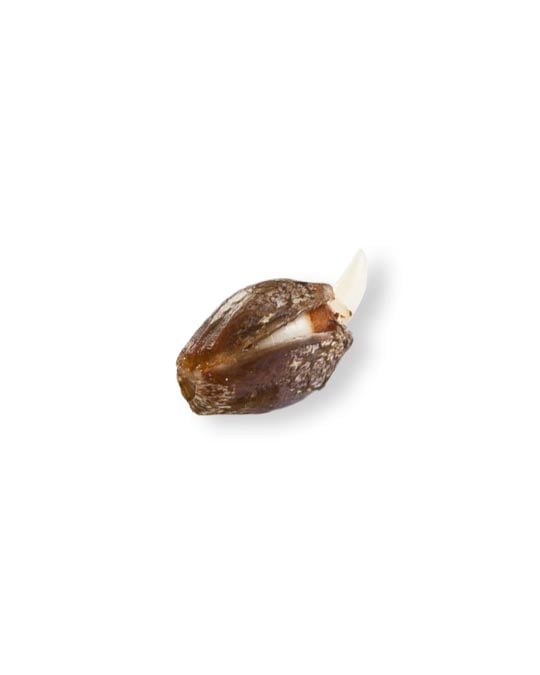
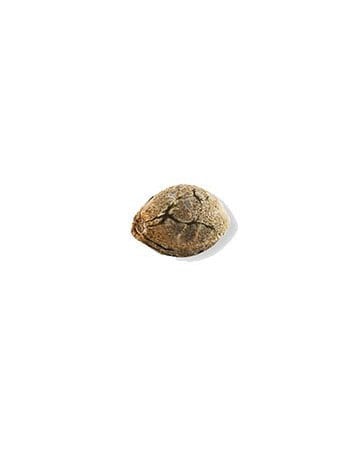
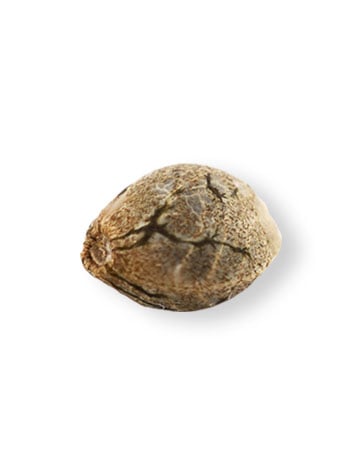
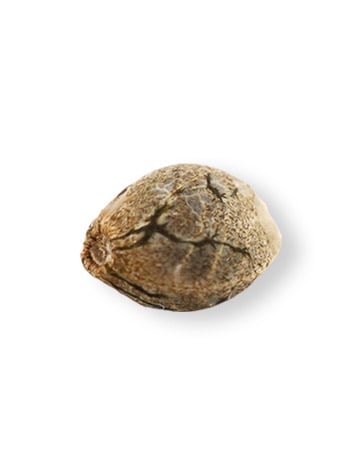
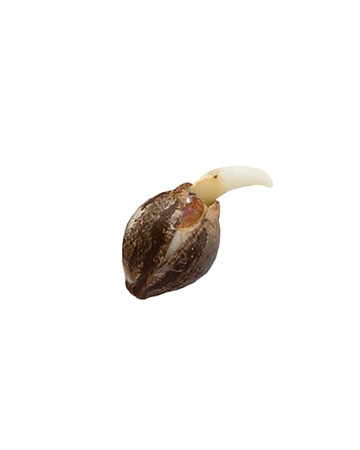
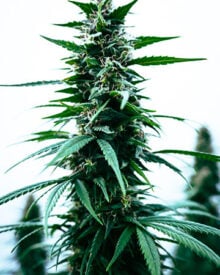
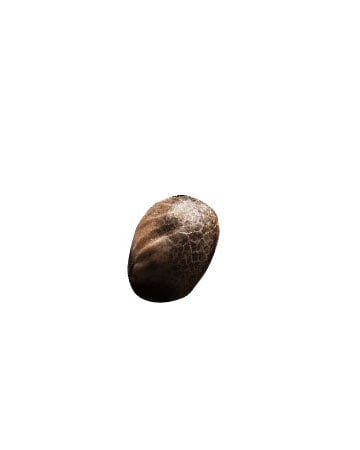
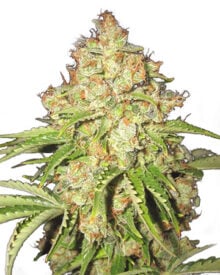
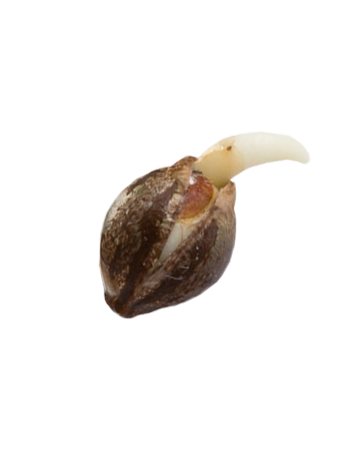
Photoperiod cannabis seeds are a type of cannabis seed that grows and flowers based on light cycle management. Unlike autoflower cultivars that flower based on age, photoperiod plants rely on specific light to dark ratios to move through their life stages. This gives growers more control over timing and plant size.
During the vegetative stage, photoperiod plants typically need 16 to 18 hours of light per day to focus on building roots, leaves, and branches. They can stay in veg as long as the long light schedule stays consistent. When you want flowering to start, you switch to a 12 hour light and 12 hour dark cycle, which mimics the seasonal shift outdoors and signals the plant to produce buds.
Photoperiod seeds are popular for their flexibility and potential. You can extend veg to grow larger plants with more flowering sites, which can increase yields. Many growers choose photoperiod cultivars for training techniques and for the ability to clone. The tradeoff is that they need consistent light management, especially during flowering.
How Quickly Do Photoperiod Seeds Grow?
Photoperiod cannabis seeds have a flexible timeline, and the total grow time depends on your light schedule and the cultivar. Indoors, seed to harvest often lands around 10 to 16 weeks. Outdoors, the timeline can stretch to around 20 to 21 weeks based on seasonal daylight changes.
Vegetative Stage
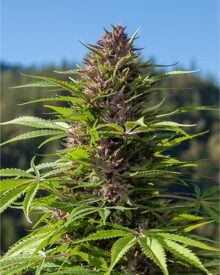
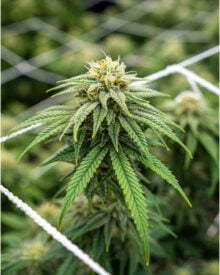
The vegetative stage is where photoperiod cultivars build their foundation. This is when plants focus on roots, stems, and leaf growth, setting the structure that will support flowers later on. A healthy veg stage shows steady vertical growth, strong branching, and rich green leaves without rushing the process.
Most growers keep lights on for 18 hours a day during veg, which signals the plant to keep growing instead of flowering. This stage can last a few weeks or be extended much longer, depending on your space and goals. Longer veg time usually means larger plants and more bud sites, but it also means planning ahead for height and spread once flowering starts.
Veg is also the best time for training. Techniques like topping and low stress training work well here since photoperiod plants have time to recover before the flip to flower. Transplants are typically done during this stage too, letting roots fully establish in their final container before flowering begins.
Keeping things steady is the priority. Consistent light, proper airflow, and careful watering help plants grow evenly and avoid stress. A strong veg stage makes everything that comes next easier and more predictable.
Flowering Stage
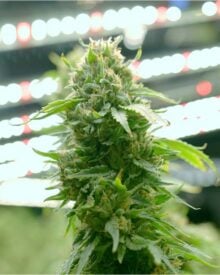
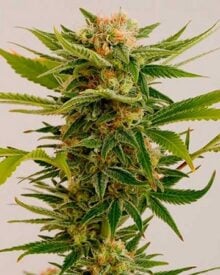
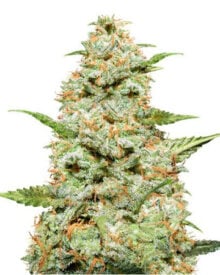
The flowering stage begins when photoperiod cultivars are switched to a 12 hours on, 12 hours off light schedule. This longer dark period signals the plant to stop focusing on leaf growth and start forming buds. The first couple of weeks are usually marked by a stretch, where plants gain height and spacing between branches increases.
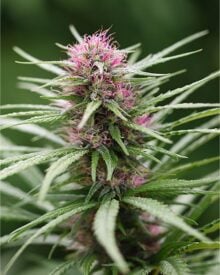
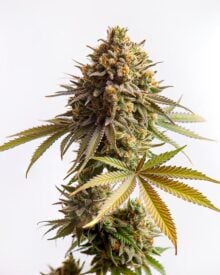
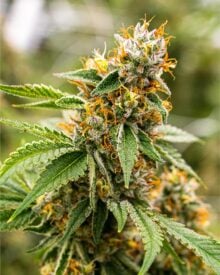
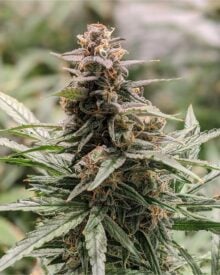
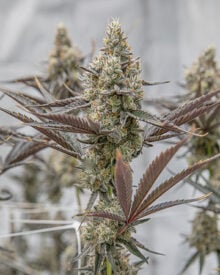
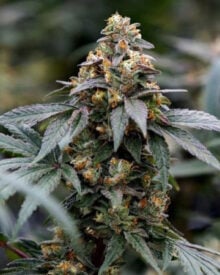
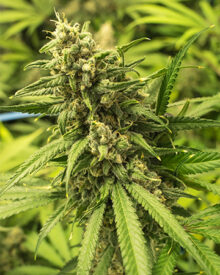
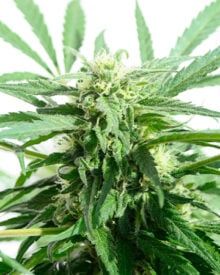
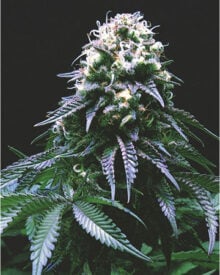
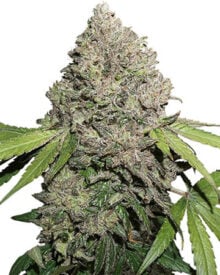
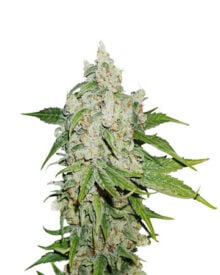
As flowering progresses, bud sites develop along each branch and begin to fill in. Aromas become more noticeable, resin production ramps up, and flowers gain density over time. Good airflow and stable humidity help keep buds healthy as they bulk up and gain weight.
Support often becomes necessary later in flower. Branches can get heavy, especially on high yielding photoperiod cultivars, so stakes or trellis netting help prevent bending or snapping. Toward the end of flowering, growth slows and the plant shifts its energy into finishing and ripening.
Most photoperiod cultivars finish flowering in eight to ten weeks, though some take longer. Paying attention to overall plant appearance and flower development helps you time harvest and wrap up the grow on a strong note.
How Photoperiod Light Cycles Work
Photoperiod cannabis cultivars grow and flower based on how many hours of light and darkness they receive each day. Light is the signal that tells the plant which stage it should be in. When days are long, the plant focuses on leafy growth and structure. When nights get longer, it shifts into flower and starts stacking buds.
During the vegetative stage, most growers run lights for 18 hours on and 6 hours off. Some even use 24 hours of light. Both approaches keep photoperiod plants locked in veg, letting you control plant size, shape, and overall structure. This stage can last as long as you want, which is a big reason growers like photoperiod seeds.
To trigger flowering indoors, you change the light schedule to 12 hours on and 12 hours off. That longer dark period mimics the natural change from summer to fall. Once this switch happens, the plant begins flowering and will stay in that stage until harvest as long as the light cycle stays consistent.
Darkness matters just as much as light. Any light leaks during the 12 hour dark window can confuse the plant and slow things down. Timers, sealed tents, and a consistent routine keep photoperiod cultivars happy and predictable from flip to finish.
Choose Your Grow Space Wisely
Indoors, make your tent or room light tight so the dark cycle stays uninterrupted. Outdoors, watch for nearby night lighting that can interfere with flowering.
Control Plant Size With Veg Time
Shorter veg helps keep plants smaller when space is limited. Longer veg can produce larger plants and potentially bigger harvests if you have room.
Optimize Nutrients
Veg commonly leans toward higher nitrogen feeding to support leafy growth. Flowering commonly shifts toward higher phosphorus and potassium to support bud development.
Use Training Techniques
Photoperiod cultivars are a solid fit for topping, low stress training, and SCROG style canopy management, since you can keep plants in veg while you shape the structure.
Monitor for Stress
Inconsistent lighting, overwatering, and nutrient issues can stress plants and raise the risk of herm traits. Keep conditions steady and watch for early signs of trouble.
Be Patient
Indoors, plan around 10 to 16 weeks from seed to harvest for many photoperiod cultivars. Outdoors can take longer depending on climate and planting date.
What Photoperiod Strains Are Available at Grower's Choice Seeds
- Zoap is a balanced hybrid with a flowering time around 55 to 65 days. Indoor yields are often listed around 18 to 24 ounces per square meter, with outdoor yields up to about 35 ounces per plant.
- White Widow is an indica dominant hybrid known for resin production and straightforward cultivation. Flowering is often listed around 55 to 65 days, with indoor yields around 18 ounces per plant and outdoor yields up to about 22 ounces per plant.
- Dutch Treat is an indica dominant hybrid known for a sweet, piney aroma. Flowering is often listed around 55 to 65 days, with indoor yields around 12 ounces per square meter and outdoor yields around 4 to 8 ounces per plant.
- Cherry Runtz is a flavorful hybrid with a flowering time around 55 to 65 days. Indoor yields are often listed around 19 ounces per square meter, with outdoor yields up to about 19 ounces per plant.
- Animal Mints is a potent hybrid with a flowering time around 55 to 65 days. Outdoor yields are often listed at 20 ounces per plant or more, with indoor yield figures varying by setup.
- Black Runtz is a balanced hybrid with a flowering time around 55 to 65 days. Indoor yields are often listed around 18 to 21 ounces per square meter, with outdoor yields up to about 35 ounces per plant.
Do Photoperiod Cannabis Seeds Need a 12/12 Light Schedule to Flower Indoors?
Yes. Photoperiod cultivars typically start flowering indoors when you switch to 12 hours of light and 12 hours of uninterrupted darkness each day. That longer dark period is the signal that tells the plant it is time to produce flowers.
How Long Should I Keep Photoperiod Plants in the Vegetative Stage?
Most growers veg for 3 to 8 weeks, but the real answer depends on your space and goals. Shorter veg keeps plants smaller and easier to manage, while longer veg can build bigger plants with more branching and higher yield potential.
Can Photoperiod Plants Reveg, and What Causes It?
They can. Reveg usually happens when a flowering plant starts receiving longer light days again, or if the dark period gets interrupted often from light leaks or inconsistent timers. Keeping a stable 12/12 cycle and a truly dark “lights off” window helps prevent it.
Are Photoperiod Cannabis Seeds the Same Thing as Feminized Seeds?
Not exactly. Photoperiod refers to how the plant flowers based on light cycles, while feminized refers to the seed producing female plants. Many photoperiod seeds are feminized, but photoperiod seeds can be regular too, depending on how they were bred.









 21% THCa