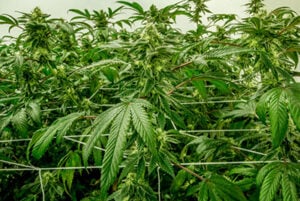





 21% THCa



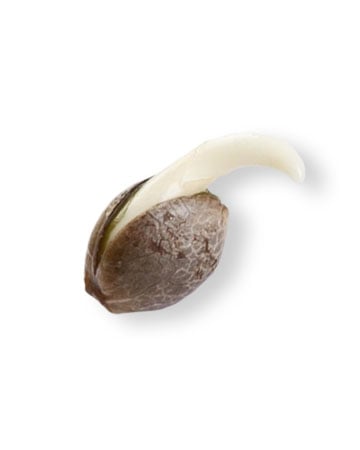


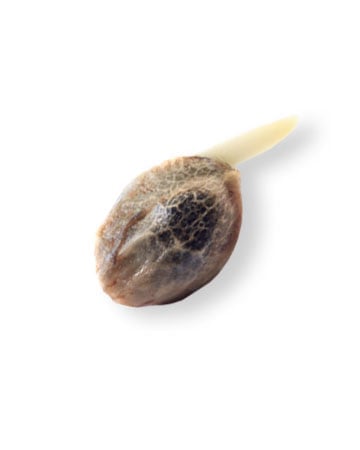


The absolute best soil for cannabis seedlings is a light, airy, and low-nutrient mix. Think of it like a soft crib for a newborn—anything too harsh or rich will just stress it out. A soil that’s too dense or “hot” with nutrients will literally burn their delicate new roots and stop growth dead in its tracks.
What Makes the Best Soil for Your Seedlings
That moment you decide to pop your cannabis seeds is one of the most exciting parts of the whole grow. But before you get to those first little green shoots, you have to give them the right home. The soil you pick for this first stage is probably the most critical decision you’ll make in the first few weeks, since it really sets the foundation for everything to come.
It’s a classic rookie mistake: grabbing a bag of nutrient-packed potting soil from the local hardware store, thinking more food has to be better, right? Wrong. For a tiny seedling, that’s like trying to feed a newborn a steak. Their delicate systems just can’t handle it. The whole point with seedling soil is to create a supportive, stress-free environment, not a five-course meal.
Think of seedling soil as a perfect balance. It needs to be strong enough to support the plant but gentle enough not to overwhelm its brand-new root system. Your goal is to encourage roots to search for water and nutrients, which builds a strong foundation.
So, what are we actually looking for? There are three main things that make up the ideal starter soil. Nail these, and you’ll sidestep the most common beginner problems and give your plants a killer head start.
The Three Pillars of Perfect Seedling Soil
To give your cannabis seeds the best possible shot at a healthy life, your soil needs to master these three characteristics:
- A Light and Fluffy Texture: A seedling’s first roots are incredibly fine and fragile. If the soil is dense and compacted, the roots have to struggle to push through it, which wastes energy and slows down growth. You want a mix that feels light and airy in your hands, something that lets those tender roots spread out without a fight.
- Excellent Drainage and Aeration: One of the quickest ways to kill a seedling is to let its roots sit in soggy soil. Good drainage makes sure excess water runs right through, preventing the dreaded root rot. Just as important is aeration—the tiny air pockets in the soil—which gives roots the oxygen they need to breathe and function. No oxygen, no growth. It’s that simple.
- Low Nutrient Content: This is the one that trips up most new growers. A cannabis seed already contains all the food it needs to sprout and grow for its first week or two. Soil that’s pre-loaded with powerful nutrients will cause “nutrient burn,” where the leaves turn yellow and crispy, and the plant gets stunted. Start with a lean soil; you can always feed your plants later when they’re big enough to handle it.
Here’s a quick table to pull all of that together.
Ideal Cannabis Seedling Soil at a Glance
This table breaks down the essentials for choosing or mixing the perfect starter soil for your cannabis seedlings.
| Characteristic | Why It Matters for Seedlings | What to Look For in a Mix |
|---|---|---|
| Light Texture | Lets fragile new roots grow easily without resistance. | Ingredients like coco coir, peat moss, or fine compost. |
| Good Drainage | Prevents waterlogged soil, which leads to root rot. | Look for perlite or vermiculite, which look like small white stones. |
| Low Nutrients | Avoids “nutrient burn” on delicate, young plants. | The bag should say “seed starting mix,” not “potting soil.” |
Getting these three elements right from the very beginning puts you on the fast track to healthy, happy plants.
Why Soil pH Is Your Seedling’s Best Friend
Let’s talk about something that can quietly make or break your entire grow: pH. It sounds like a stuffy high school chemistry topic, but trust me, it’s one of the most important things you need to get a handle on.
Think of pH as the gatekeeper for your seedling’s roots. It controls which nutrients get in and which get locked out. Get it right, and your plants can feast. Get it wrong, and they can starve in a pot full of food.
This frustrating situation is called “nutrient lockout.” It’s a classic rookie mistake and the reason why so many seedlings stall out, turn yellow, or just look sad, even when you think you’re doing everything right.
Basically, when your soil is too acidic (low pH) or too alkaline (high pH), certain minerals get chemically tied up. Nutrients like phosphorus, calcium, and magnesium are still in the soil, but your seedling’s roots just can’t absorb them.
Finding the Sweet Spot for Seedling Growth
So, what’s the magic number? For cannabis seedlings in soil, you’re aiming for a slightly acidic environment. This is the sweet spot where the gatekeeper is happy to let all the good stuff through to the roots.
The ideal pH range is between 6.0 and 7.0. Staying within this window is critical. It’s not just a suggestion; growers who maintain this pH range often see 15-25% faster seedling growth because the plants can easily access everything they need to thrive. If you want to dive deeper into the science, you can read more about these best practices from cannabis cultivation research.
If you notice weird discoloration or spots on your seedling’s leaves, pH is the very first thing you should check. For example, what looks like a classic [cannabis phosphorus deficiency](https://www.growerschoiceseeds.us/ cannabis-phosphorus-deficiency/) is often just a pH problem in disguise.
How to Check and Adjust Your Soil pH
You don’t need to be a scientist to manage pH, and you definitely shouldn’t be guessing. Testing your soil is easy and one of the most empowering habits you can build as a grower.
Here’s how to do it:
- Grab a pH Testing Kit: A digital pH pen is a great investment for accurate, instant readings. You can also find simple soil test kits or pH strips at any garden store, which work just fine.
- Test the Runoff: This is the easiest way. When you water your plant, let about 20% of the water drain out of the bottom of the pot. Collect a sample of that runoff and test its pH. This gives you a great idea of what’s happening in the root zone.
- Adjust as Needed: If your reading is off, use a “pH Up” or “pH Down” solution, which you can find at any hydro store. Add a tiny amount to your water, mix it up, and test again. Always make small, gradual adjustments to avoid shocking your delicate seedlings.
Pro Tip: Test the pH of your water before you give it to your plants. Tap water can be all over the map depending on your location. Getting your water’s pH right from the start is the best way to prevent problems down the road.
Crafting Your Own Perfect Seedling Soil Mix
Ready to get your hands dirty? While buying a pre-made bag of soil is convenient, mixing your own is where the real magic happens. Not only is it cheaper in the long run, but you get total control over what your precious seedlings are growing in.
Think of yourself as the head chef for your plants—you’re hand-picking every ingredient to create the perfect start for them.
Don’t worry, this isn’t some complicated science experiment. A great DIY mix just relies on a few core components, and once you understand what each one does, you’ll be able to whip up a batch of light, fluffy, well-draining soil that your seedlings will absolutely love.
The Building Blocks of a Great DIY Mix
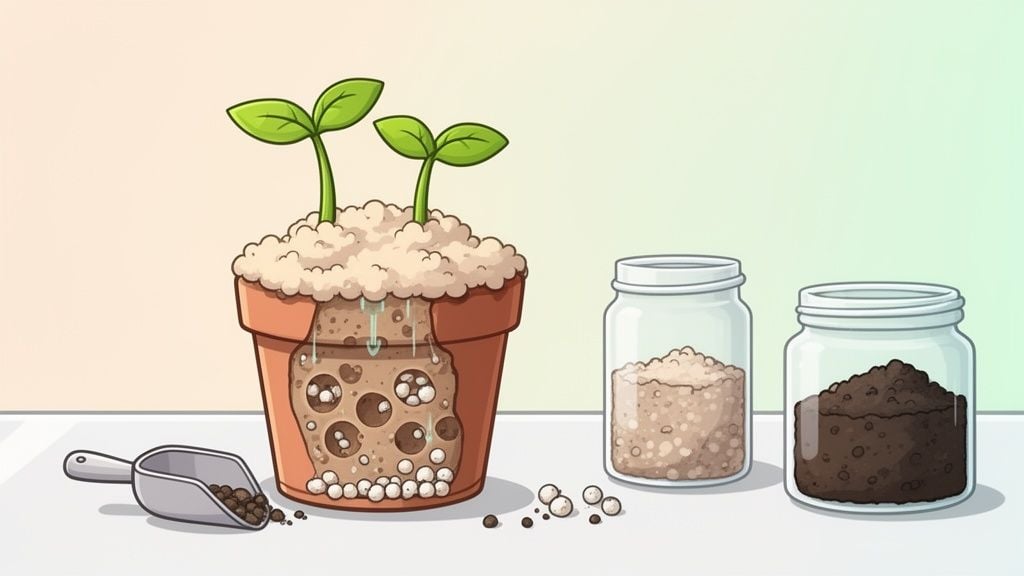
I like to call these the “power trio” of seedling soil. Just about every high-quality starter mix you’ll find uses some combination of these three to strike that perfect balance between holding moisture, draining away excess, and letting roots breathe.
-
Coco Coir or Peat Moss (The Base): This is the foundation of your mix. Both are fantastic at holding onto water without turning into a dense, muddy swamp. Coco coir, made from coconut husks, is a great renewable choice. Peat moss is the old-school classic, prized for being sterile and super absorbent.
-
Perlite (The Aerator): Those little white, styrofoam-like bits are actually volcanic glass. Perlite is a game-changer for aeration, creating thousands of tiny air pockets throughout the soil. This is critical for letting roots breathe and preventing the dreaded root rot.
-
Vermiculite (The Moisture Manager): This flaky, mineral-based amendment acts like a tiny sponge. It soaks up water and nutrients, then slowly releases them back to the roots as they need it. It’s the key to keeping things consistently moist without being waterlogged.
DIY Seedling Soil Recipes
Here are a couple of tried-and-true recipes to get you started. When I say “parts,” it can be any unit of measurement you want—a scoop, a cup, a bucket—just as long as you keep the ratios consistent.
If you want to create a mix that gives your seedlings a serious advantage, a peat base is a great way to go. Research has shown that a mix with around 50% peat moss not only holds moisture incredibly well but also supports beneficial microbes that help roots thrive. In fact, a good peat mix can cut down your watering frequency by 30-40% and has been shown to boost early root mass by 20-30%.
The table below breaks down two simple but effective recipes. One is a foolproof starting point, and the other adds a gentle, organic touch for growers who want to take it a step further.
DIY Seedling Soil Recipes
| Ingredient | Beginner’s Mix Ratio | Advanced Mix Ratio |
|---|---|---|
| Coco Coir or Peat Moss | 1 part | 2 parts |
| Perlite | 1 part | 1 part |
| Vermiculite | 1 part | 1 part |
| Worm Castings | 0 parts | 1 part |
The beginner’s 1:1:1 mix is incredibly forgiving and provides excellent structure. If you’re ever looking for more tips as you get growing, check out our other cannabis seed grow advice.
The advanced recipe introduces worm castings, which is a fantastic way to add beneficial microbes and a very mild source of nutrients without any risk of burning delicate seedlings.
To put it all together, just dump the ingredients in a clean bucket or on a tarp. Mix them thoroughly until everything is evenly distributed. Add a little water at a time until the mix is just damp (think squeezed-out sponge), and you’ve got a premium, custom soil ready for your seedlings.
Potting Your Seedlings Without Causing Stress
So, your cannabis seeds have popped. You’ve got tiny, delicate seedlings ready for their first real home. This next step—moving them into their first pot—can be a little nerve-wracking for any grower. It’s a delicate operation, but getting it right means you avoid transplant shock and keep that precious growth momentum going.
The key is to think of it as a gentle relocation, not a major eviction. A smooth transition encourages the roots to start exploring their new space immediately, which is exactly what you want for rapid, healthy development. A clumsy one, on the other hand, can leave your plant stunned and stagnant for a week or more.
Choosing the Right First Home
It’s tempting to put that tiny seedling into a huge pot, thinking you’re giving it all the room it could ever want. That’s a classic rookie mistake. A pot that’s too large holds way too much water for the seedling’s tiny root system to drink, creating a swampy, low-oxygen environment that’s a perfect invitation for root rot.
Start small. A solo cup (with drainage holes poked in the bottom!) or a 3-4 inch nursery pot is the perfect size. This smaller volume of soil is much easier to manage. It allows you to water properly and ensures the roots get that healthy balance of moisture and air they crave. This is a crucial part of making the best soil for cannabis seedlings work for you.
Transplant Tip: You wouldn’t put a goldfish in the ocean, right? You start it in a small, manageable bowl. The same logic applies here—give your seedling a cozy space where its roots can quickly take charge.
Step-by-Step Transplanting Guide
When your seedling has developed its first set of true leaves (the serrated ones, not the first two smooth “cotyledon” leaves), it’s usually ready for its first pot. Remember to handle it with care; the stem and roots are incredibly fragile at this stage.
- Prep the New Pot: Fill your starter pot with your pre-moistened seedling mix. Don’t pack it down tightly—you want it to stay light and airy. Use your finger or a pen to poke a small hole in the center, just deep enough to fit the seedling’s root.
- Gently Free the Seedling: If you started in a germination cube or plug, this part is easy. If it’s in a tray, gently squeeze the sides of its cell to loosen the soil. Never, ever pull the seedling by its stem. Instead, try to handle it by the soil/root ball or by its leaves if you absolutely have to.
- Place and Settle In: Carefully lower the root ball into the hole you made. You want the base of the stem to sit right at the soil level. Lightly push the soil in around the root ball, gently firming it down to get rid of air pockets and ensure good root-to-soil contact.
- Give It a Welcome Drink: Settle everything in with a small amount of pH-balanced water. This helps the roots make contact with their new environment and closes up any final air gaps.
From there, just place your newly potted seedling under a gentle light source and let it get used to its new surroundings. By avoiding stress now, you’re paving the way for a vigorous, problem-free vegetative stage.
Watering and Feeding Your Young Plants

When you’re starting out, it’s natural to want to dote on your new seedlings. But here’s some advice every seasoned grower learns, often the hard way: less is more. The two fastest ways to kill a young cannabis plant are by giving it too much water or too much food. Their tiny systems are incredibly delicate, and a little too much love can easily overwhelm them.
We’ve all been there. You see that tiny green sprout and you want to give it everything you think it needs to thrive. But you have to remember that seedlings need to be gently guided, not force-fed. Learning to read your plants’ signals is probably the most important skill you’ll ever develop as a grower.
The Art of Watering Seedlings
First thing’s first: throw out the idea of a rigid watering schedule. Your plants don’t care if it’s Tuesday. The absolute best way to know if your seedling is thirsty is to pick up its container.
Get a feel for how light it is when the soil is dry, and then compare that to how heavy it feels right after you’ve watered. This simple “lift test” is way more accurate than just looking at the surface, which almost always dries out faster than the soil down where the roots are.
Your goal is to let the growing medium dry out almost completely between waterings. Why? This encourages the roots to stretch out and actively search for moisture, which is exactly what builds a strong, sprawling root system. It also ensures the root zone gets plenty of oxygen—something roots need just as much as water to grow healthy.
A classic rookie mistake is watering a little bit every single day. This keeps the topsoil soggy while the bottom stays bone-dry. All this does is promote shallow, weak roots and create a five-star resort for fungus gnats and deadly damping-off disease.
Knowing When to Introduce the First Meal
Right out of the shell, your cannabis seed has its own packed lunch. Those first two little oval leaves that appear aren’t true leaves; they’re called cotyledons, and they’re full of all the food the seedling needs to get through its first week or so. Since you’ve already chosen the best soil for cannabis seedlings, it’s a light, low-nutrient mix, so you don’t have to worry about burning the plant from the start.
So, when is it time for their first proper meal? Let the plant tell you. Once your seedling has pushed out its first or second set of real, serrated leaves, it means the lunchbox is empty and it’s ready for a very light feeding.
Start with a nutrient solution mixed at just one-quarter of the recommended strength. Think of it as a gentle introduction to solid food. From there, you can slowly ramp up the strength as the plant gets bigger and shows you it’s hungry for more. This patient, gradual approach is the key to preventing nutrient burn and setting your plants up for healthy, vigorous growth.
Even with the best-laid plans, things can still go sideways with your seedlings. Don’t worry—it happens to every grower. The good news is that most common problems are easy to fix if you catch them early. Let’s walk through some of the most frequent issues you might run into.
Common Problems and How to Fix Them
The one issue that strikes fear into the hearts of new growers is “damping off.” This is a nasty fungal disease that rots the stem right at the soil line, causing the seedling to weaken and just fall over. Unfortunately, once it happens, there’s no saving the plant.
The best defense is a good offense. Damping off thrives in soggy, stagnant conditions, so focus on prevention: ensure your soil has excellent drainage, don’t overwater, and keep a small fan running to provide gentle air circulation.
Reading the Leaves
Your seedling’s leaves are its primary communication tool. They’ll tell you exactly what’s going on, long before a problem becomes critical. If they look droopy, discolored, or just aren’t growing, they’re sending you a signal.
Here’s a quick guide to translating what your plant is saying:
- Drooping or Wilting: This one is almost always about water. The confusing part? It can mean too much or too little. To figure it out, just lift the pot. If it feels surprisingly heavy, the soil is waterlogged. If it feels light as a feather, your little plant is thirsty.
- Yellowing Leaves: First off, if the very first set of little round leaves (the cotyledons) turn yellow and fall off, that’s completely normal. Their job is done. However, if the “true” serrated leaves start yellowing, it’s a sign that something is off. It could be a pH issue locking out nutrients, or it might just be time for the seedling’s first very light feeding.
- Stalled Growth: Is your seedling just… stuck? If you haven’t seen any new growth in a week, the two most common culprits are temperature and space. Cold soil can slow everything to a crawl. The other possibility is that the roots have already filled up their starter pot and have nowhere to go—a condition called being “rootbound.” Gently moving it to a slightly bigger home will often get things moving again.
Crucial Tip: Before you ever assume a nutrient deficiency, check your soil’s pH. An out-of-whack pH is the number one reason seedlings can’t access the food that’s already in the soil. Fixing the pH often solves the problem without adding a single drop of fertilizer.
Ready to start your grow with genetics you can trust? Growers Choice Seeds offers over 500 lab-tested strains with a 90% germination guarantee. Find the perfect cannabis seeds for your setup at https://www.growerschoiceseeds.us.
FAQs
When Is It Time to Move My Seedling to a Bigger Pot?
Timing the first transplant is crucial. Do it too soon and you risk shocking the plant; wait too long and you can stunt its growth.
The best visual cue is to watch the leaves. Once the seedling’s first true “fan” leaves have grown wide enough to reach the edges of its starter pot, that’s a great sign it’s getting ready.
The real proof, though, is in the roots. Gently slide the seedling and its soil out of the container. If you see a solid, well-formed network of white roots holding the soil together, it’s definitely time for a new home with more space to expand.
Help! Why Are My Seedlings So Tall and Skinny?
Ah, the classic “stretch.” If your seedlings look like they’re reaching for the sky with long, pale, and flimsy stems, the problem isn’t your soil—it’s your light.
This happens when the light source is either too weak or too far away. The seedling instinctively stretches upward, desperately trying to get closer to what it perceives as a weak sun. While it might look like they’re growing fast, this kind of growth creates a weak plant that can easily fall over and die.
The fix is simple: either lower your current light source to be closer to the plants or, if it’s a weak light, consider upgrading to a proper grow light. You want your seedlings to grow stout and strong, not tall and lanky.
Can I Just Use Regular Potting Soil for My Seedlings?
I know it’s tempting to grab that generic bag of potting mix from the garden center, but please don’t. It’s one of the most common mistakes I see beginners make.
Most of those all-purpose soils are way too “hot” for seedlings. That means they’re packed with heavy-duty nutrients designed for mature, established plants. For a brand new seedling, that’s like feeding a baby a steak dinner—it’s just too much and will cause nutrient burn, scorching their delicate new roots.
Beyond that, these soils are usually too dense and heavy. They tend to hold onto water like a sponge, which suffocates the roots and creates the perfect environment for dreaded root rot. You’re much better off starting with a mix that’s light, airy, and specifically made for starting seeds.