




 21% THCa







Planting cannabis outdoors is all about timing. Your window depends on frost dates, daylength, latitude, and the cultivars you choose. Photoperiod cultivars need enough warm weeks in veg before the days shorten. Autoflowers run on their own clock and can start later, as long as they get enough heat and light.
This guide gives you a simple cutoff you can apply at home. You will use your last frost date, your first frost date, and the finish time listed for your chosen cultivars. We will show quick math, real zone examples, and a late season plan if you are pushing it.
It’s important to note to grow only where it is legal (find out if growing cannabis is legal in your state). Follow local plant counts and visibility rules. Be a good neighbor about odor and security.
Below, find out when exactly it is too late to plant cannabis outdoors, based on a few different factors.
The Simple Rule of Thumb
Photoperiod cultivars
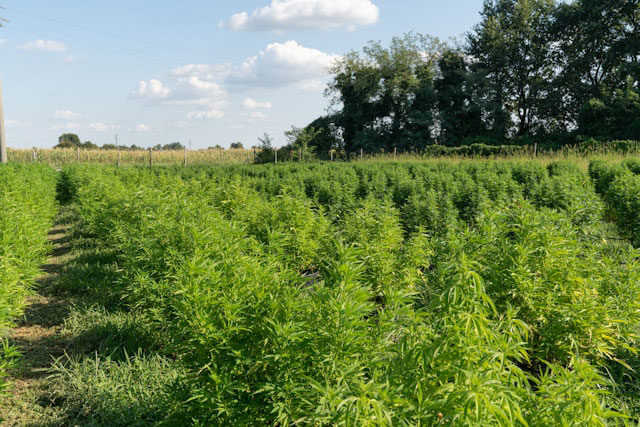
Start outdoors by 2 to 4 weeks after your last frost. Plant no later than 8 to 12 weeks before your first frost.
Autoflower cultivars
You can start autoflower cultivars as late as 10 to 12 weeks before your first frost. Most finish in 70 to 100 days.
Latitude tweak
Above about 40 to 45 degrees north or south you need an earlier start. Near 30 to 35 degrees you can start later.
Built in buffer
Count your cultivar’s days to maturity, then add a 7 to 14 day cushion before first frost for wiggle room.
What “too late” actually means biologically
Photoperiod cultivars and daylength
Photoperiod cultivars depend on light hours to switch from veg to flower. Most start flowering once days drop below about 14 hours of light. If you plant too late in summer, the plants will not have enough time to grow before they start flowering. The result is smaller plants with fewer buds. Once you pass mid-summer, every week lost in veg time shows up in your final yield.
Autoflowers run on a fixed clock
Autoflowers do not care about light hours. They start flowering based on age, usually 3 to 4 weeks after sprouting. This makes them flexible for late-season grows, but they still need enough heat and light to finish. A short or cool season can stunt them, but they are your best bet for late planting because they finish fast and handle shorter days well.
Do the climate math
Find your last and first frost dates
Check your local almanac or a frost-date map using your ZIP code. These two dates define your growing window. Your last frost marks when it is safe to plant, and your first frost marks when your plants need to be ready for harvest. Microclimates matter, so if you live near water or in a sheltered yard, your frost dates may shift slightly.
Count back from first frost
Look at your cultivar’s days to maturity and count backward from your average first frost. Add a week or two as a safety buffer. That number gives you the latest date you can safely plant. For example, if your first frost is October 10 and your cultivar takes 90 days, the latest you should plant is around mid-July.
Check daylength at your latitude
Find a daylength chart for your area. At higher latitudes, the days shorten faster after June. This means your photoperiod cultivars will flip into flower earlier. In lower latitudes, the longer, warmer season gives you more flexibility to plant later.
Region-by-Region Latest Planting Windows
Zones 3–5 (Cool Temperate)
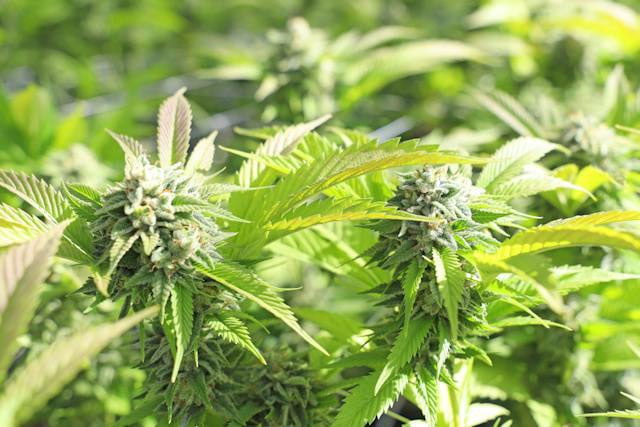
These short-season regions need early starts. Plant photoperiod cultivars by early to mid-June for a safe harvest. Autoflowers can go in until late July for a late September finish.
Zones 6–7 (Temperate)
You have a bit more flexibility here. Photoperiod cultivars should be in the ground by late June for a decent yield. Autoflowers can start as late as early August.
Zones 8–9 (Warm Temperate or Subtropical)
Warm zones let you plant later. Photoperiod cultivars can go in until early July, especially early-finishing types. Autoflowers can be planted through mid to late August.
Mediterranean climates
With low humidity and long dry summers, you can plant later into the season. Watch out for the first autumn rains since moisture can cause mold near harvest.
Southern Hemisphere
Flip the calendar. The last frost usually happens around September or October, and the first autumn frost falls around April or May. Apply the same timing rules to those months.
Factors That Extend or Shrink Your Window
Genetics and advertised flowering time
Each cultivar has its own pace. Fast-finishing cultivars that flower in seven to eight weeks are better for late starts. Longer types that take ten to twelve weeks need earlier planting to finish before cold weather hits.
Plant size goals and yield expectations
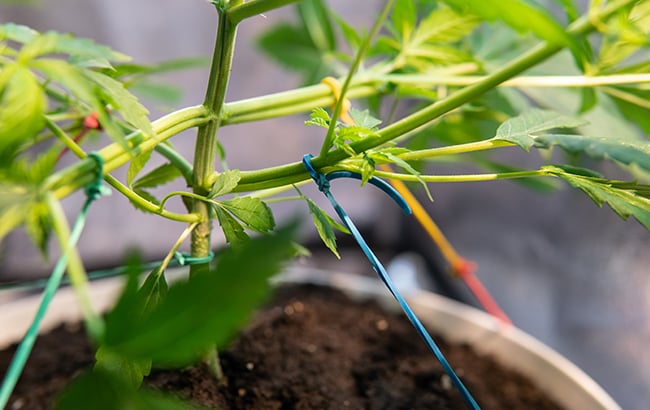
If you plant late, you will get smaller plants and smaller yields. Less time in the vegetative stage means less canopy and fewer bud sites. Decide whether you are growing for quality or quantity before you plant.
Containers, beds, and soil temperature
Containers and raised beds warm up faster than the ground, which helps young plants establish roots quicker. Use dark-colored pots or mulch to hold warmth and speed up growth during cool nights.
Season extension tools
Hoop houses, row covers, and windbreaks can protect plants from cool nights and early frost. These small structures can stretch your growing window by a few weeks and make late-season harvests possible.
Disease and humidity risk
As autumn approaches, humidity increases and airflow drops. This raises the risk of botrytis and powdery mildew. Keep your canopy open, space plants well, and avoid crowding to reduce moisture buildup.
FAQs About Planting Cannabis Outdoors
It depends on your latitude and local frost dates. In cooler regions, July is usually too late for photoperiod cultivars but still fine for autoflowers in warmer zones.
August planting only works for autoflowers in warm zones like USDA 8 or 9. They can finish before frost if they have at least 10 to 12 weeks of warm weather left.
Yes, it will flower, but growth will be smaller. Photoperiod cultivars may start flowering soon after planting if daylength is already short, limiting yield.
Count back your cultivar’s days to maturity plus one to two weeks. If that date has already passed, it’s likely too late to start outdoors this year.
Autoflowers are best for late planting since they bloom on their own schedule and finish fast. Photoperiod cultivars need longer daylight and more veg time to reach full size.
Use hoop houses, row covers, or cold frames to hold warmth and protect plants from early frost. These setups can stretch your season by a few extra weeks.