




 21% THCa







Outdoor growers across New York know that flowering season doesn’t hit at the same time for everyone. Timing depends on latitude, daylight hours, and the genetics of your cultivars. In most parts of the state, cannabis plants begin showing their first pistils between late July and mid-August, once daylight drops below roughly 14 hours.
Upstate growers might notice buds forming a week or two later than folks closer to the city, since shorter summers and cooler nights can slow things down. Understanding this timing helps you plan your grow cycle, pick the right feminized or autoflower cultivars, and aim for a harvest before the fall frost sets in.
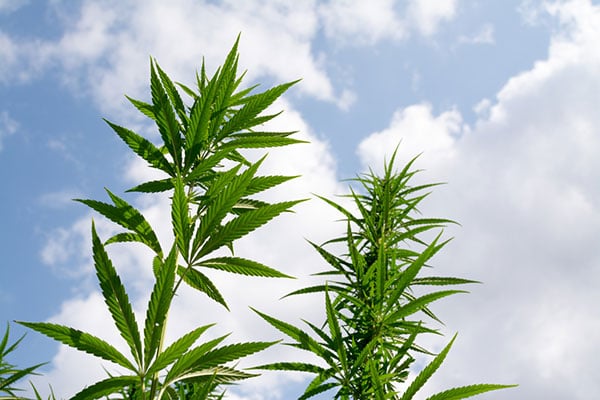
Understanding the Cannabis Flowering Stage
Flowering is the part of the cannabis life cycle when plants stop focusing on leaf growth and start producing buds. This shift is triggered by changes in light exposure. When the daylight period shortens to around 12 to 14 hours, the plant recognizes it as a signal that summer is ending and begins preparing for reproduction.
Photoperiod cultivars depend on this natural light cycle to move from the vegetative phase into flowering. The early signs include the appearance of small white hairs, known as pistils, at the nodes where branches meet the main stem. Over time, these hairs cluster and form resin-covered buds. Understanding how and why this stage begins helps growers match their timing to New York’s seasonal daylight patterns.
Photoperiod and Latitude Effects in New York
New York’s location between 40 and 45 degrees north means daylight changes quickly through the summer. In late June, around the solstice, plants get more than 15 hours of light. By mid-August, that number drops to just under 14. This natural decrease tells photoperiod cannabis cultivars to start flowering.
The exact timing depends on where you live in the state. Growers in Long Island and New York City usually see their plants transition a bit earlier than those in Central or Upstate New York. The further north you are, the shorter your growing season becomes, which makes choosing cultivars with shorter flowering periods a smart move.
Outdoor Cannabis Flowering Timelines by Region
New York’s mix of climates means flowering starts at slightly different times depending on where you’re growing. Here’s what most growers across the state can expect:
Downstate (NYC, Long Island)
Plants usually start flowering around the last week of July. The warmer nights and longer growing season allow cultivars to develop early and finish strong by late September.
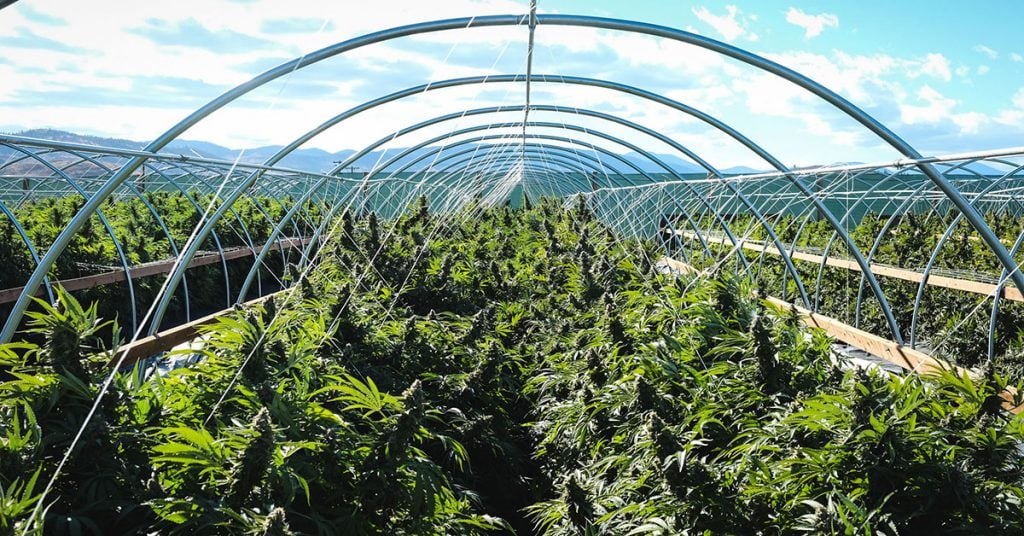
Central New York (Albany, Syracuse)
Flowering tends to begin in early August. Temperatures stay mild, giving cultivars enough time to mature before harvest season hits in early to mid-October.
Upstate and Adirondack Region
Expect flowering to start closer to mid-August. The cooler climate shortens the window before frost, so fast-flowering or autoflower cultivars work best in these areas.
Across all regions, outdoor growers can track daylight hours to predict when buds will form and plan their harvest before cold weather sets in.
Indoor Cannabis Flowering in New York
Indoor growers have the benefit of total control over when flowering begins. By switching light schedules to 12 hours of light and 12 hours of darkness, you can trigger the flowering stage at any time of year. This setup mimics the shorter days of late summer that outdoor plants experience naturally.
Good light control is key. Any light leaks during the dark period can confuse plants and slow or interrupt flowering. Many growers use timers and blackout tents to keep cycles consistent. Indoor setups also make it easier to manage humidity and temperature, letting you fine-tune your environment for denser, more aromatic buds.
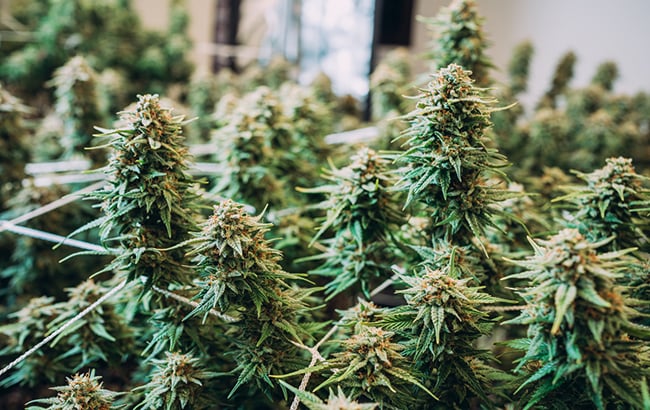
Strain Genetics and Flowering Time
Not every cultivar reacts the same way to light and temperature changes. Photoperiod plants need shorter days to start flowering, but autoflower cultivars work on their own internal schedule and begin blooming after a set number of weeks. That makes them a great option for New York’s shorter outdoor season, especially in cooler or northern areas.
Some photoperiod cultivars have naturally shorter flowering times, finishing in as little as 7 to 8 weeks, while others can take up to 12. Genetics from regions closer to the equator, like sativas, usually flower longer than indica-dominant hybrids that evolved in cooler, high-altitude regions. Choosing cultivars with the right genetics helps you match your flowering window to New York’s daylight patterns and harvest before the first frost.
Legal and Seasonal Considerations
New York’s home grow laws allow adults to cultivate cannabis for personal use, but there are limits. Each household can keep up to six plants—three mature and three immature—out of public view. This means outdoor growers need to plan for privacy and security while staying within the legal plant count.
The growing season in New York usually runs from May through early October. Since frost can hit as early as the first week of October in northern parts of the state, growers often choose cultivars that finish flowering before then. Keeping an eye on weather patterns and choosing the right genetics helps you avoid losing your harvest to cold or moisture.
FAQs About Flowering in New York
Outdoor cannabis plants in New York usually start flowering between late July and mid-August, once daylight drops below about 14 hours. Timing can shift slightly depending on latitude and weather conditions.
No, downstate growers often see flowers forming earlier than those in Central or Upstate New York. Cooler northern regions and shorter summers delay the start by a week or two.
Indoor growers trigger flowering by setting a 12-hour light and 12-hour dark cycle. This replicates late-summer conditions and lets you flower plants any time of year.
Fast-flowering indica-dominant or autoflower cultivars do best in New York’s shorter season. Autoflowers bloom automatically, making them great for Upstate growers facing early frosts.
Adults can grow up to six plants per household, with a limit of three mature and three immature at a time. Plants must be kept out of public view and secured on private property.