





 21% THCa



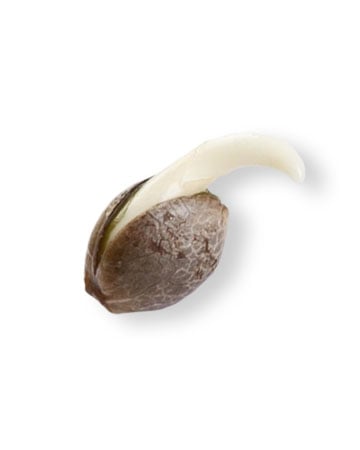


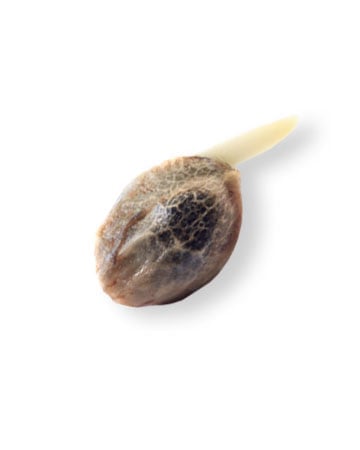


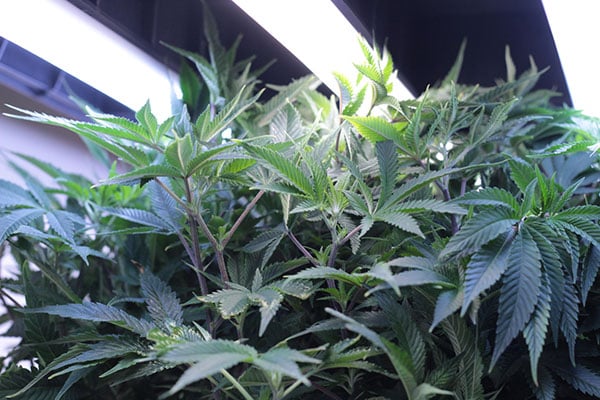
When people talk about feminized cannabis seeds, they’re referring to seeds bred to produce only female plants. In cannabis growing, that’s a big deal since female plants are the ones that grow those resin-packed buds people want. Feminized seeds take the guesswork out of growing by nearly guaranteeing that every plant will flower instead of turning out male and producing pollen.
These seeds have become the standard for home growers and commercial cultivators alike. They make the process simpler, more predictable, and more rewarding by focusing your energy on bud production instead of separating males. Understanding what feminized means helps you make smarter choices when buying seeds and planning your grow.
Why Are Feminized Seeds Used?
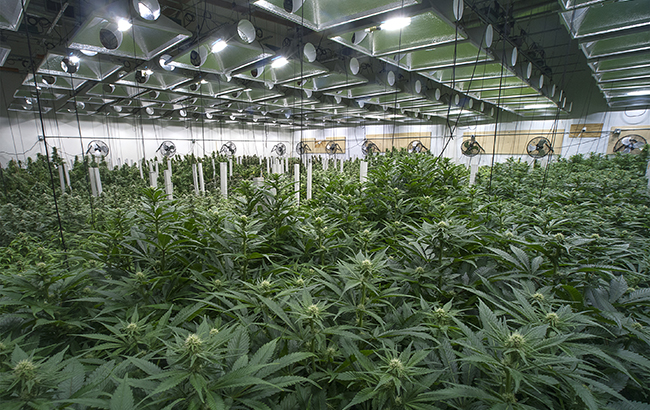
Growers use feminized seeds because they make the growing process more predictable. Instead of wasting space, time, and nutrients on male plants, growers can focus entirely on producing quality buds. Feminized seeds are especially popular for indoor grows where every inch of space matters.
For many cultivators, the benefits go beyond convenience. Feminized seeds help maintain consistent genetics across multiple grows, making it easier to reproduce results from one harvest to the next. Whether you’re growing for personal use or running a small operation, feminized seeds give you efficiency, reliability, and higher yields from the start.
How Are Feminized Seeds Made
Feminization Techniques
Feminized seeds are made by encouraging a female cannabis plant to produce pollen instead of buds. That pollen is then used to pollinate another female plant, resulting in seeds that carry only female chromosomes. There are a few reliable ways to make this happen.
One of the most common methods uses a silver thiosulfate (STS) spray. This solution blocks certain hormones in the plant, which causes it to develop pollen sacs. Another approach is called rodelization, where a female plant kept past maturity begins to produce pollen naturally as a survival response. Some growers also rely on specific stress techniques that cause a similar reaction without chemicals.
Each method has the same goal: to create pollen from a female plant that will pass on female genetics only. When used correctly, the process delivers seeds with a 99% chance of becoming female.
Feminized Seed Genetics
In cannabis genetics, female plants have two X chromosomes. Regular seeds, by contrast, can produce plants with either XY or XX pairs. By breeding only XX plants together, feminized seeds eliminate the possibility of male offspring. This genetic balance is what makes feminized seeds so dependable for growers.
Understanding how feminized seeds are made helps you see why they’ve become the go-to choice for consistent, high-yield grows focused on flower production.
Feminized vs Regular vs Auto Seeds
Key Differences Table
| Seed Type | Gender Outcome | Grower Control | Flowering Trigger | Typical Yield |
|---|---|---|---|---|
| Feminized | Almost all female plants | High | Light cycle (photoperiod) | High |
| Regular | 50% male, 50% female | Medium | Light cycle (photoperiod) | Variable |
| Autoflower | Almost all female plants | Moderate | Age-based (no light change needed) | Moderate |
When to Use Each Type
Feminized seeds are ideal for growers who want control and consistency. They take out the guessing game and focus all energy on producing buds. Indoor growers often choose feminized seeds since space is limited and every plant needs to count.
Regular seeds appeal to breeders who want to create new cultivars. They provide both male and female plants, which allows for genetic experimentation and crossbreeding. However, they require more time and effort since males must be removed before they release pollen.
Autoflower seeds are popular among growers looking for a faster, simpler grow cycle. They transition from vegetative growth to flowering on their own, without relying on light changes. While they might produce smaller yields, their short life cycle and resilience make them great for beginners or those growing outdoors in shorter seasons.
Each seed type serves a different goal. Understanding the strengths and limits of each helps growers choose the one that fits their space, schedule, and harvest expectations.
Is Feminization 100% Reliable
Feminized seeds are known for their reliability, usually producing female plants more than 99% of the time. That small chance of getting a male plant usually comes down to environmental stress or unstable genetics during breeding. A reputable seed bank focuses on genetic stability and quality control to keep that risk extremely low.
Still, even the best feminized seeds can occasionally produce a hermaphrodite plant if conditions are rough. Extreme stress from light leaks, high heat, or nutrient issues can trigger a plant to grow both pollen sacs and buds. Careful monitoring during growth helps catch any odd plants early before they affect your crop.
For most growers, feminized seeds remain the most dependable choice for maximizing bud production. Their consistency is what makes them a favorite for both home cultivators and larger commercial operations focused on predictable, high-quality harvests.