What Are Haze Strains
Haze strains are a group of cannabis cultivars built around classic sativa genetics that trace back to some of the earliest hybrid breeding work in California. These cultivars are known for their tall structure, longer flowering cycles, and terpene profiles that lean into citrus, spice, herbs, and a slightly sharp edge that stands out from heavier, earthy varieties.
At the genetic level, Haze comes from a mix of landrace cannabis sourced from regions like Colombia, Thailand, Mexico, and South India. Breeders combined these genetics to create something more complex, which is why Haze strains tend to show a wider range of phenotypes compared to more stabilized cultivars. That diversity is part of the appeal. You’re not just growing a plant, you’re working with a lineage that helped shape modern cannabis.
Today, most Haze cultivars are hybrids that keep those original traits while improving things like grow consistency and flowering time. You’ll still see that signature stretch, airy bud structure, and bold terpene expression, just in a more manageable form that works for both indoor and outdoor setups.
The Origins of Haze Genetics
Haze genetics trace back to the early cannabis breeding scene in Santa Cruz, California, where growers started working with imported landrace cultivars to create something new. The original Haze was built from a mix of Colombian, Thai, Mexican, and South Indian genetics, each bringing its own structure, growth pattern, and terpene profile into the mix.
This blend of equatorial sativa genetics is what gives Haze its reputation. Plants tend to grow tall with longer internodal spacing, and they take their time finishing compared to faster indica-leaning cultivars. That slower development is tied directly to the regions these genetics came from, where longer growing seasons shaped how the plants evolved.
As breeders kept refining Haze, they started crossing it with more stable cultivars to make it easier to grow without losing those defining traits. That’s how we ended up with modern Haze hybrids like Super Silver Haze and Amnesia Haze, which still carry that classic lineage but are a lot more approachable for today’s growers working with feminized and autoflower seeds.
Common Characteristics of Haze Cannabis Strains
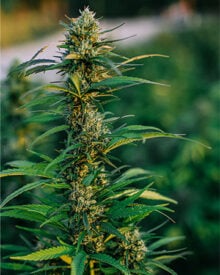
If you’ve never grown Haze before, the first thing you’ll notice is how these plants want to stretch. Haze-dominant cultivars are known for getting tall, sometimes way taller than expected if you’re not managing them. Longer internodal spacing is part of the deal, which gives the plant a more open structure compared to shorter, bushier cultivars.
Flowering Time
Flowering time is another big one. Haze strains don’t rush. Many of them take longer to finish than other cannabis cultivars, especially older-school genetics. That slower cycle is tied directly to their equatorial roots, where plants evolved under longer seasons. If you’re running photoperiod feminized seeds, you’ll want to plan for that extra time. Autoflower Haze cultivars help shorten things up, which is why they’ve become more popular with growers who want that Haze profile without the wait.
All About the Buds
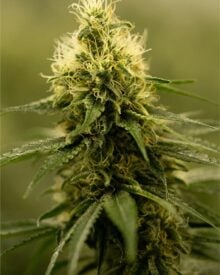
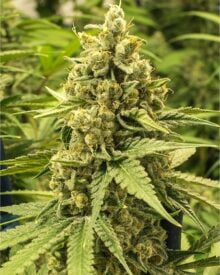
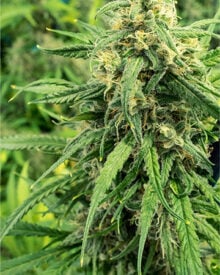
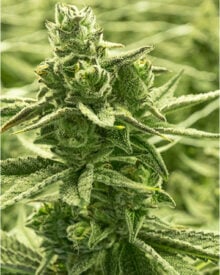
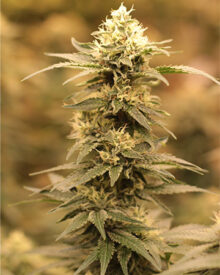
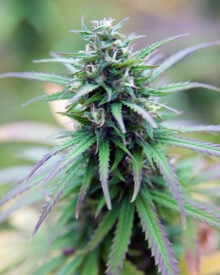
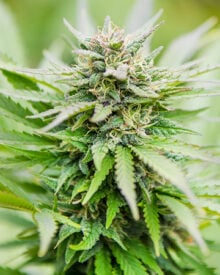
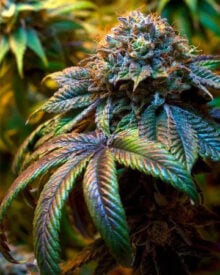
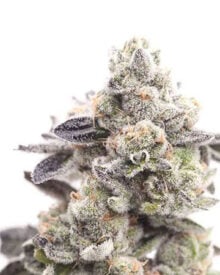
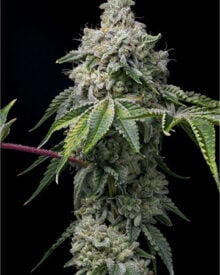
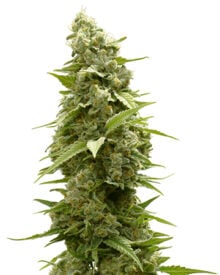
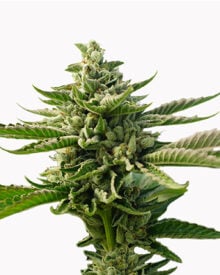
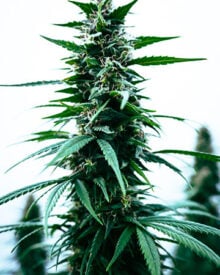
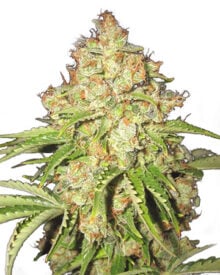
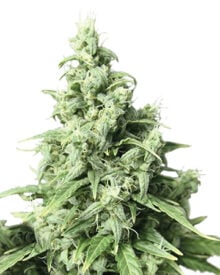
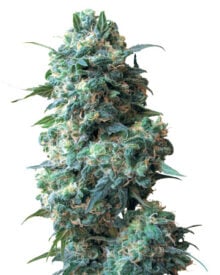
When it comes to buds, Haze strains usually produce lighter, airier flowers rather than dense, compact nugs. That doesn’t mean they’re lacking. It’s just a different structure. These buds often have a more elongated shape with plenty of pistils and a frosty layer of trichomes that builds up as the plant matures.
THC Levels
THC levels can vary across Haze cultivars, but many of them lean toward the higher end. What really stands out, though, is how the terpene profile comes through. You’ll often pick up citrus, spice, herbs, and sometimes a slightly sharp or even hazy incense-like aroma. That comes from terpenes like limonene, terpinolene, and pinene working together.
All of these traits combined are what make Haze strains feel distinct in a grow room. They take a little more patience and a bit more space, but for a lot of growers, that classic structure and terpene expression are exactly what they’re after.
Flavor and Aroma Profiles of Haze Strains
Haze strains have a flavor and aroma profile that’s easy to spot once you’ve been around them a few times. They tend to lean bright and sharp, with a mix of citrus, spice, and herbal notes that hit right away. You’ll often catch lemon zest, orange peel, or even a slightly sweet lime note, layered with peppery or earthy undertones that round things out.
A lot of that comes down to terpene content. Limonene is a big player here, giving Haze cultivars that citrus-forward edge. Terpinolene shows up often too, bringing in those slightly floral, herbal, almost piney notes that make Haze stand apart from heavier, dessert-leaning cultivars. Pinene can add a crisp, fresh quality, and in some phenotypes you’ll notice a faint incense or haze-like sharpness that’s hard to describe but instantly recognizable.
What’s interesting is how much variation you can get within Haze genetics. Some cultivars lean heavily into citrus and sweetness, like Lemon Haze, while others push more into spicy, woody, or even slightly metallic territory. That variation comes from the wide genetic base behind Haze, which pulls from multiple landrace sources.
When you’re growing Haze from seed, this is where phenotype selection really comes into play. Different plants from the same pack can express slightly different terpene profiles, so growers often keep an eye out for the ones that hit their preferred flavor range. That’s part of the appeal with Haze. It’s not just one flavor, it’s a whole spectrum built on the same genetic backbone.
Popular Haze Strains and Hybrids
Haze has been crossed and reworked so many times that it shows up in a ton of well-known cultivars. Some lean closer to the original genetics, while others take that Haze backbone and mix it with more modern traits like shorter flowering times or tighter bud structure.
Silver Haze is one of the classics. It blends Haze with Skunk and Northern Lights, giving you that signature Haze stretch and terpene profile, but with a bit more stability in the grow. It’s been a go-to for years and still holds up if you’re looking for a true Haze-forward cultivar.
Amnesia Haze is another heavy hitter. This one pushes strong citrus notes with a sharper, almost electric edge in the aroma. It still carries that longer flowering time you’d expect from Haze genetics, but growers keep coming back to it for the terpene expression alone.
Lemon Haze is where things get a little more flavor-driven. It leans hard into limonene, so you’re getting that bright, lemon-forward profile right from early flower through harvest. It’s one of the more recognizable Haze hybrids if you’re chasing that citrus side of the spectrum.
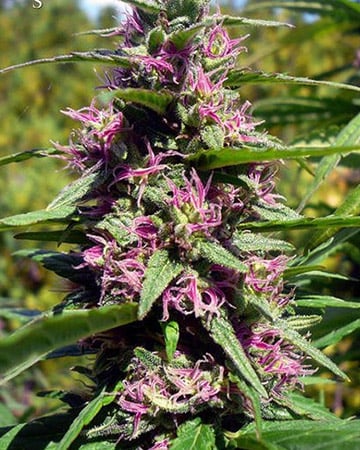
Then you’ve got Purple Haze, which brings in color along with that classic structure and spacing. It still shows those airy buds and taller growth patterns, but with added visual appeal that stands out in the garden.
Neville’s Haze is closer to the old-school side of things. This one really shows what Haze genetics are capable of in their pure form. Expect a long flowering cycle, a lot of vertical growth, and a terpene profile that leans spicy, herbal, and complex.
What ties all of these together is that Haze lineage. Even with different crosses and breeding improvements, you’ll still see the same core traits show up again and again. That’s what makes Haze such a staple in modern cannabis breeding. It’s a foundation that keeps getting reworked into new cultivars without losing its identity.
Sativa Dominance and Growth Traits of Haze Cultivars
Haze cultivars lean heavily sativa, and you’ll see that play out pretty quickly once they get going. These plants like to stretch, especially during early flowering, and it’s not uncommon for them to double or even triple in height if left unchecked. That kind of growth can catch newer growers off guard, especially in indoor setups with limited vertical space.
The structure is usually more open compared to indica-leaning cultivars. You’ll notice longer internodal spacing and thinner branches, which actually helps with light penetration and airflow through the canopy. It’s a different look, but it works in your favor if you’re managing things properly. Light can reach deeper into the plant, which supports more consistent development across lower bud sites.
Training becomes part of the process with Haze. Techniques like topping, low stress training, and even scrogging are commonly used to keep height under control and spread the canopy out. Instead of letting one main cola shoot up, you’re guiding the plant into a wider, more even shape that makes better use of your grow space.
Haze cultivars tend to like strong lighting and a stable environment. Since they evolved from equatorial genetics, they respond well to longer light cycles and steady conditions. Indoors, that usually means dialing in your lights and keeping your environment consistent from veg through flower.
If you’re growing outdoors, Haze really has room to do its thing. Given enough space and a long enough season, these plants can get big and produce impressive yields. The trade-off is time and planning, but for growers who want that classic Haze structure and terpene expression, it’s part of the experience.
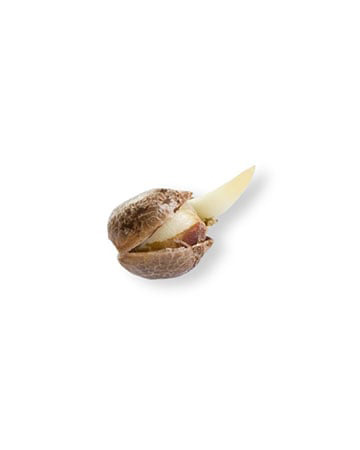
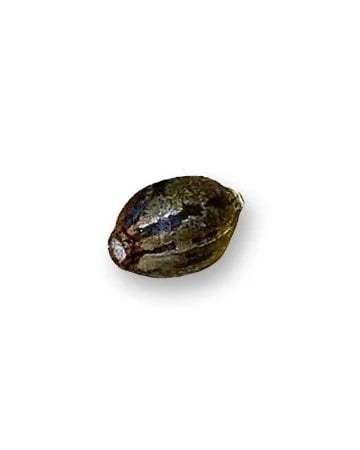
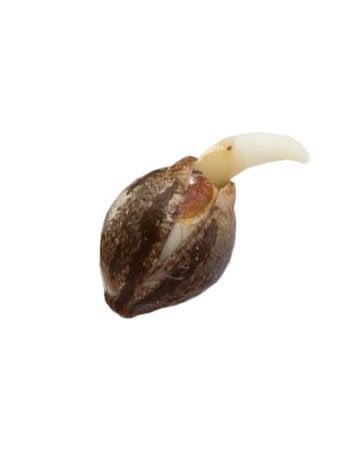
Growing Haze Cannabis Seeds
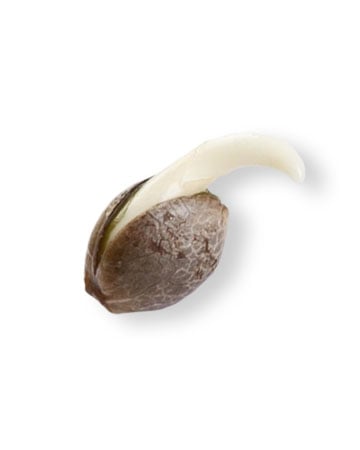
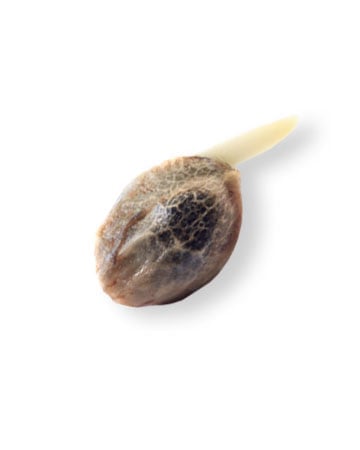
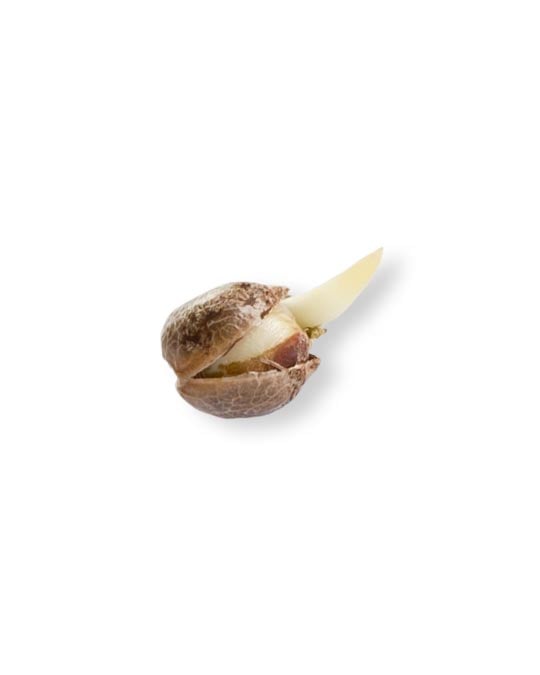
Growing Haze cannabis seeds takes a bit more planning than faster, compact cultivars, but once you understand how they behave, it gets a lot easier to manage. These plants come from equatorial genetics, so they’re used to longer seasons, steady light, and plenty of space to stretch.
If you’re working with feminized Haze seeds, expect a longer flowering period compared to most hybrids. That means you’ll want to dial in your environment early and stay consistent all the way through. Temperature swings, poor airflow, or weak lighting can slow things down even more, and Haze already likes to take its time. Keeping conditions steady helps the plant focus on growth and resin production instead of reacting to stress.
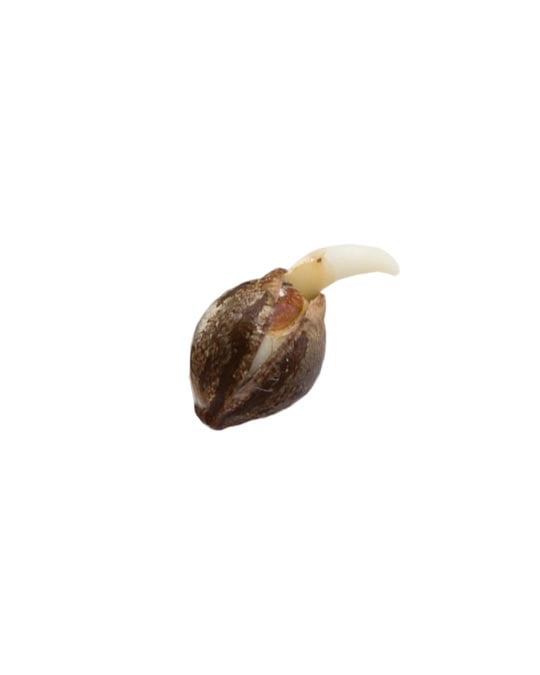
Autoflower Haze cultivars are a solid option if you want a quicker turnaround. They still carry that Haze terpene profile and structure, just in a more compact and time-efficient package. You won’t get quite the same size or stretch as photoperiod plants, but you’ll shave weeks off your grow cycle, which can make a big difference depending on your setup.
Spacing matters more than usual with Haze. These plants don’t like being crowded, and their natural structure works best when air can move freely through the canopy. Good airflow helps keep everything healthy and supports more even development across the plant. Pruning and light defoliation can help open things up even more, especially as the plant starts to fill out.
Feeding tends to be moderate. Haze cultivars usually don’t need heavy nutrient schedules to perform well. Pushing them too hard can actually back things up, so it’s better to keep things balanced and let the genetics do their thing. Focus on consistency, give them room to grow, and be ready to work with their natural stretch instead of fighting it.









 21% THCa