










Neville’s Haze Feminized Seeds
Neville’s Haze is a sativa-dominant hybrid that serves up a potent, cerebral high with a tasty sugar-and-spice flavor. Its 25% THC levels add a layer of euphoria to the overall smoking experience, while its subtler indica lineage provides an undertone of physical relaxation. Growers who prefer highly psychoactive strains with plenty of sativa pep consider Neville’s Haze nothing short of a prized addition to their marijuana seed collections.
-
 Up to 25% THC levels
-
75% Sativa, 25% Indica
-
Energizing and creative effects
-
Total time from flowering stage to harvest: 70-80 days
-
Growing experience level: Medium to Expert
 Up to 25% THC levels
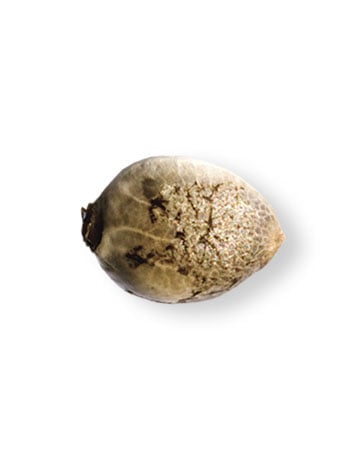
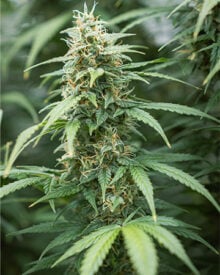
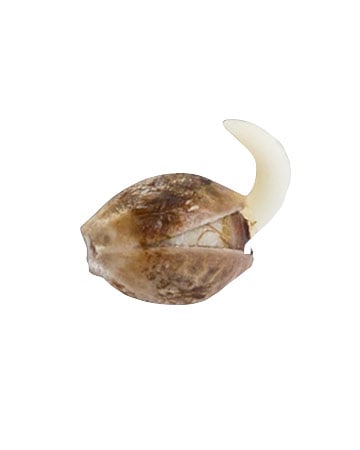
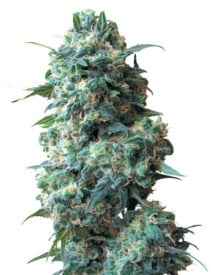
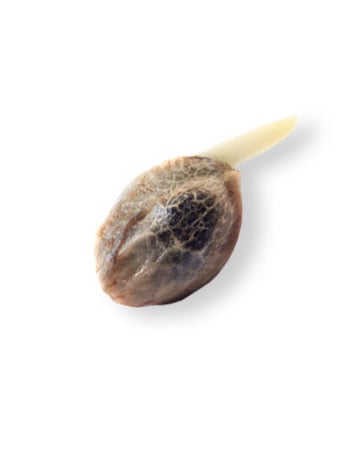
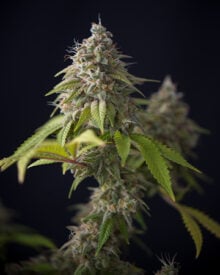

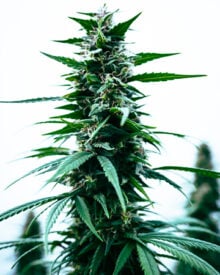

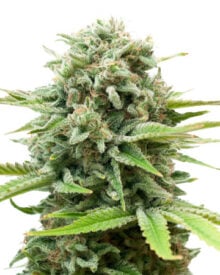
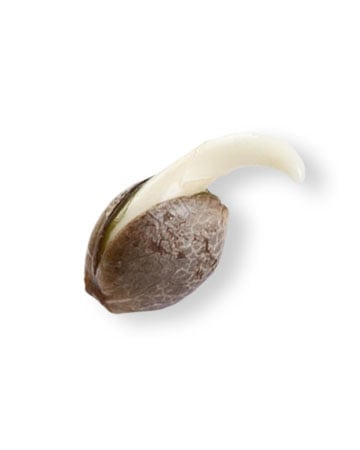
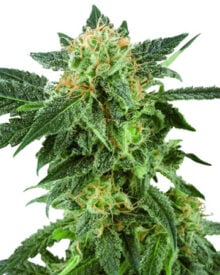
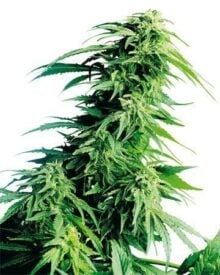
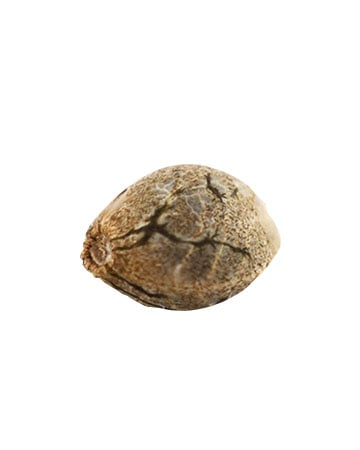
Neville’s Haze: A Sativa-Dominant Legend of the Cannabis World
This heavy-hitting hybrid was created in the 1980s by crossing the vintage Haze strain with Northern Lights #5. While both parent strains are widely respected in their own right, Neville’s Haze has also attracted a fanbase of its own thanks to many of its hallmark features, including 25%THC levels and pronounced sativa effects.
Pure Haze first captured the attention of the cannabis world by combining Haze’s sativa-dominant genetics, energizing vibes and lanky height with Northern Light’s indica-dominant lineage and easygoing vibes. Given these characteristics, it’s no surprise Neville’s Haze has earned its place in cannabis history, winning the High Times Cannabis Cup in 1998 and charming marijuana growers ever since. Today, its heady buzz makes it a must-try for any cultivator looking to add a sativa-rich strain to their marijuana seed collection.
Growing Tips for Neville’s Haze Seeds
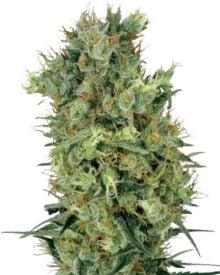
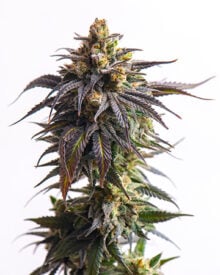
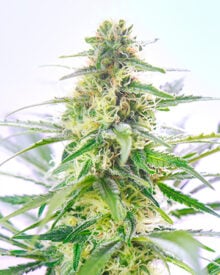
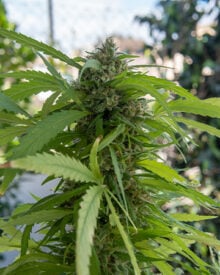
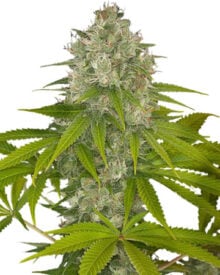
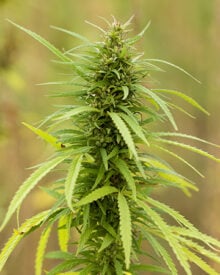
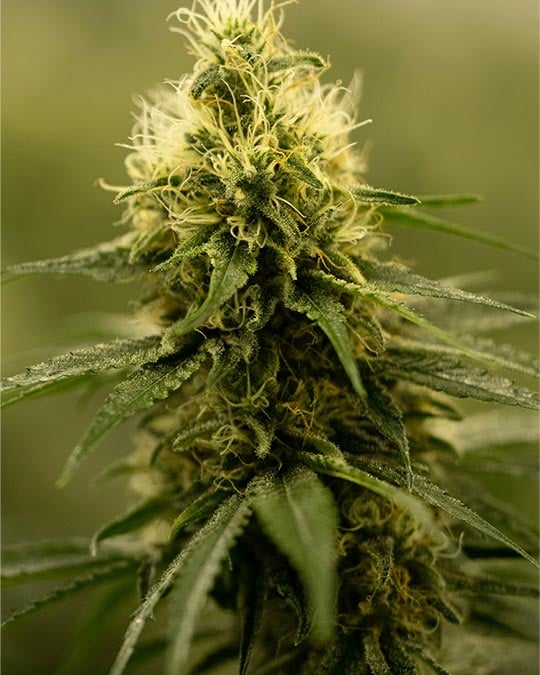
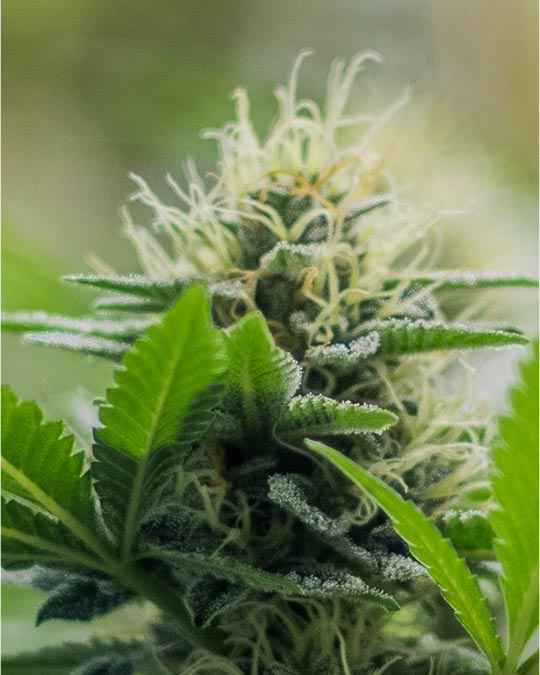
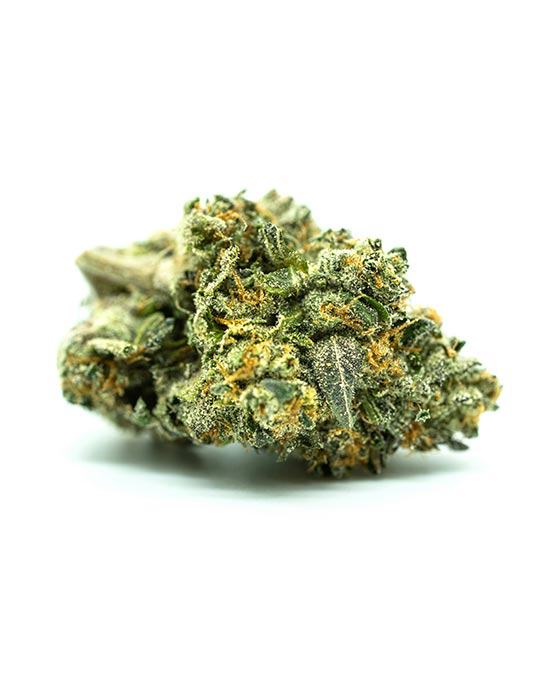
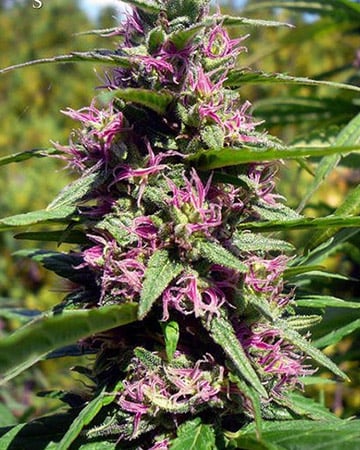
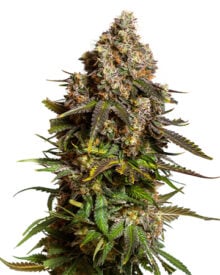
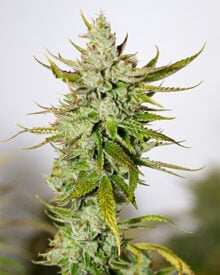
Neville’s Haze is moderately challenging to grow due to its height and sensitivity to fluctuations in temperature. Nonetheless, growers flock to this strain just the same because of its generous yields. A tall and elegant plant, Neville’s Haze produces elongated sugar and spice-scented buds covered in vibrant orange pistils and frosty trichomes.
This strain is also a good fit for indoor and outdoor setups alike, so long as conditions like temperature, humidity, and light are managed with care. Below, we’ll cover some of the most effective ways to encourage your Neville’s Haze plants to thrive.
Dial in Your Growing Conditions
Neville’s Haze can be grown indoors or outdoors, although an indoor setup allows for greater control over temperature and humidity. Fine-tuning the growing environment can be helpful for all marijuana plants—but it’s especially true for this strain—which can be sensitive to fluctuations in heat and humidity.
Temperature: No matter where you choose to grow, Neville’s Haze will fare best in a Mediterranean-like climate with temperatures between 70 and 80 degrees Fahrenheit or 21-27 degrees Celsius.
Humidity: By maintaining humidity levels at 60-70% during the vegetative stage and 40-50% during the flowering period, you can help your plants stay hydrated while avoiding issues such as mold and mildew.
Training Techniques: Growing techniques like Screen of Green (SCROG) or low-stress training (LST) can help manage your plants’ height and improve light exposure, which will encourage even bud development, and in turn, higher yields.
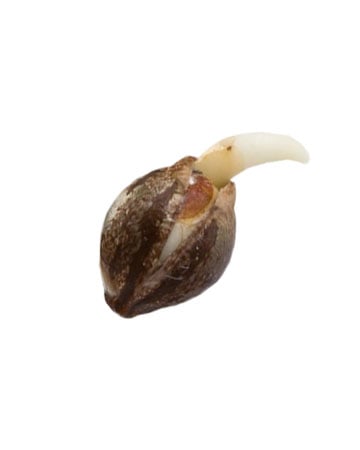
Germinating your Neville’s Haze Seeds
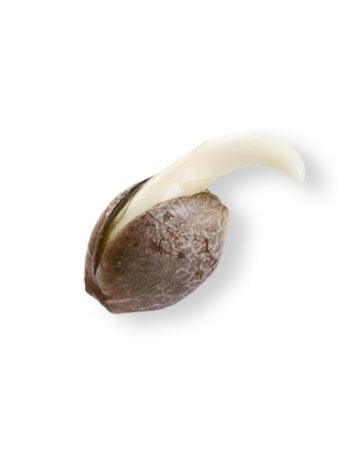
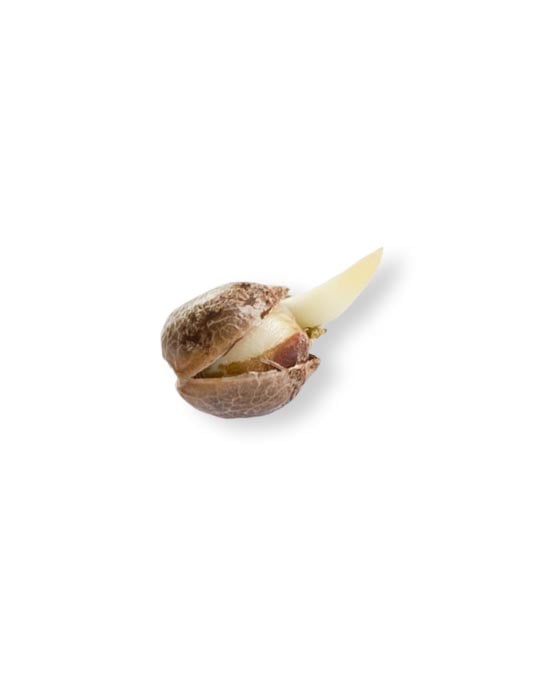
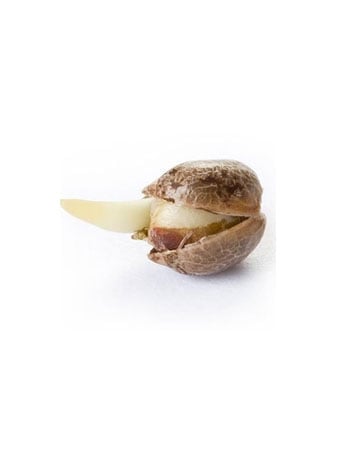
Whether you’re a seasoned green thumb or a novice, our germination guide can help you begin the growing process with ease. Growers who try our approach will be happy to know their seeds are backed by our industry-leading germination guarantee.
Yields, Flowering Time, and Harvest
Flowering Time: Indoors, Neville’s Haze requires 70 to 80 days to complete its flowering cycle. Outdoor growers should plan for a harvest in mid-November or early December in warm climates with long growing seasons.
Yields: Indoor growers can anticipate yields of up to 27 ounces per square meter using advanced techniques like SCROG or hydroponics. Outdoor growers will fare even better and can look forward to generous yields of up to 42 ounces per plant.
Dominant Terpenes in Neville’s Haze
The unmistakable aroma and flavor of Neville’s Haze are often described as sweet, spicy, and earth-like. This strain’s appealing scent and taste are thanks to its dominant terpene myrcene, which contributes a robust, musky scent. Pinene and caryophyllene round the profile out by serving up crisp, forest-like notes—and a dash of pepper, respectively. The result is a memorable scent and flavor that are enjoyable on their own, but also enhance the high.
Dominant Cannabinoids in Neville’s Haze
This strain offers an intense and euphoric experience thanks to its substantial THC content of 25% and minimal (less than 1%) CBD levels. This combo tends to enhance the psychoactive experience and serves up a rush of cerebral stimulation, including enhanced imagination and more vivid sensory perceptions—such as brighter colors and clearer sounds.
Experience Neville’s Haze
Neville’s Haze is a legendary strain that combines potent effects with generous yields. Its buoyant, cerebral high is excellent for creative pursuits, while its spicy-sweet aroma serves as the perfect backdrop to an overall euphoric experience. Whether you’re an experienced cultivator or a newbie enthusiast looking to try your hand at growing an old-school classic, order your own Neville’s Haze seeds and discover this strain’s many appealing traits firsthand.
Characteristics
Strain Genetics |
Northern Lights #5, Haze |
|---|---|
Blend |
25% Indica, 75% Sativa |
Plant Sex |
Feminized |
Strain Type |
|
Flowering Time |
70-80 days |
Flowering Type |
Photoperiod |
THC Content |
25% |
CBD Level |
|
Effects |
|
Indoor Yield |
600-650 |
Outdoor Yield |
Up to 800 g |
Flavor |
Earthy, Spicy, Sweet |
Growing Difficulty |
|
Where to Grow |
|
Seed Type |
|
Plant Height |
|
Best Time of Use |
Daytime |
FAQ for Neville’s Haze Feminized Seeds
Why is Neville's Haze considered better suited for experienced growers?
What cultivation challenge appears most frequently?
Why do growers often use trellis systems?
What environmental factor most influences overall performance?
What separates exceptional harvests from average ones?
How We’re Different From the Rest
From a 90% germination guarantee to real people on the phone, see how Growers Choice Seeds compares.
Reviews
Only logged in customers who have purchased this product may leave a review.
Showing 1-10 of 98
 25% THCa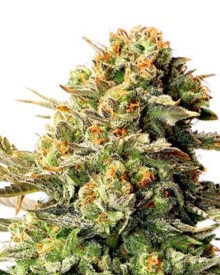
Wedding Cake
Now$25.14
 26% THCa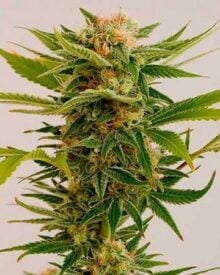
![grow-cannabis-with-best-yield-results-Chernobyl-Feminized-Cannabis-Seed[1]](https://growerschoiceseeds.us/wp-content/uploads/2021/02/grow-cannabis-with-best-yield-results-Chernobyl-Feminized-Cannabis-Seed1.jpg "Buy Chernobyl")

Pam.L Verified Buyer
By week eleven, the buds had shifted from what I’d describe as loose and promising to something genuinely frosted and dense. It’s a transformation rather than a gradual accumulation — the final three weeks of a Neville’s Haze run feel like the whole previous eleven weeks were construction and these are finishing. The candle-shaped colas under heavy trichome coverage, the lime-green and rust-colored pistils: it looks like what very serious cannabis is supposed to look like.
Nate_J Verified Buyer
Temperature-color interaction in Neville’s Haze late flower: NL#5 anthocyanin genetics express purple in fan leaves when nighttime temperatures drop below 18°C. In my October outdoor run, this occurred naturally from mid-October onward. Indoor runs haven’t shown purple expression without deliberate temperature manipulation, though sugar leaf tips showed slight purple at 20°C night temps in weeks 12-13. The color is aesthetically attractive and consistent with mature terpene development in both contexts.
elkdrifts Verified Buyer
Three phenos from five seeds: two similar (citrus-forward, 91 days), one different (spice-forward, 84 days), one outlier (most complex, 105 days). Selected the 105-day pheno for outdoor. All three produced excellent quality. The variation is phenotypic, not inconsistency.
Ricky66I Verified Buyer
Rosin from bud: 18.1% return at 73°C. Above average for sativa-dominant genetics. The high calyx-to-leaf ratio on mature Neville’s Haze buds is the extraction efficiency mechanism. Good extraction candidate.
sharonu46 Verified Buyer
The long branching structure requires secondary fan circulation in late flower to address humidity dead zones in the lower canopy. Without it: 7-9 point humidity differential at pot level. With it: 2-3 points. The secondary fan is part of the standard protocol, not an optional addition.
LilyW98 Verified Buyer
The narrow leaves are the first thing you notice about this plant — they don’t look like most cannabis you’ve grown. Spindly, delicate, spread wide on long branches. Then week seven arrives and the internodal spaces fill in, the trichomes start appearing, and the plant that looked fragile starts looking like it knows exactly what it’s doing. The visual transformation through a Neville’s Haze flower cycle is one of the more interesting things I’ve watched in a grow tent.
widget2683 Verified Buyer
Three-year summary of Neville’s Haze cultivation. Eight total runs (five indoor, three outdoor). Indoor yield average: 549g/m². Outdoor yield range: 840-1,080g per plant. Effect quality: consistently described as uplifting, cerebral, long-lasting by myself and four experienced consumer evaluators across all harvest cohorts. Aroma and flavor: consistently citrus-pine-spice with stone fruit and herbal development at 3+ weeks cure. The genetics perform reliably when the grower meets the standard they require.
platypusslides Verified Buyer
I tried growing this in a tent with lower ceilings my first run and it was an ongoing management challenge. The sativa stretch is real and it’s vigorous — the plant wants to use whatever vertical space is available. The second run I moved to a taller tent and the training felt like working with the plant rather than containing it. Adequate vertical space isn’t optional. The grow becomes much more enjoyable once you stop fighting the growth pattern and start directing it.
Nadia_H Verified Buyer
Trichome development log from day 60 through harvest at day 91: Day 60 — sparse clear, 5% cloudy at bract tips. Day 67 — 40% cloudy at top colas, clear at lower. Day 74 — 65% cloudy across canopy, 10% amber at tip exposures. Day 80 — 78% cloudy, 17% amber, 5% clear. Day 87 — 75% cloudy, 22% amber. Day 91 — 70% cloudy, 27% amber, 3% clear. Harvest at day 91. Target ratio (20-25% amber) was met at day 85-91 window, confirming the ‘final weeks’ acceleration documented in multiple sources.
clambrews Verified Buyer
Comparative curing study: Neville’s Haze from the same harvest divided into four cure conditions. Condition 1: jars at 58% RH, 18°C. Condition 2: jars at 62% RH, 18°C. Condition 3: jars at 58% RH, 21°C. Condition 4: jars at 62% RH, 21°C. Results at day 28: Condition 1 produced highest citrus-spice clarity. Condition 2 produced highest stone-fruit expression. Conditions 3 and 4 showed faster early development but flattening after day 21. Current protocol: Condition 1 through day 21, transition to Condition 2 for final week.