Why Certain Cannabis Strains May Support Mood Elevation
Researchers often look at the endocannabinoid system when discussing how cannabis may relate to mood and emotional state. This biological system plays a role in regulating processes like stress response, mood balance, and neurotransmitter signaling. When cannabinoids such as THC interact with the body, they bind to CB1 receptors in the brain, which are part of the broader network involved in mood regulation.
This interaction may influence the release and activity of neurotransmitters such as dopamine and serotonin, both of which are commonly linked to emotional balance and motivation. Because of this connection, certain cannabis cultivars are frequently discussed in conversations about mood support and uplifting experiences. Individual responses can vary, but the relationship between cannabinoids and the endocannabinoid system is one reason cannabis strains are often associated with changes in mood perception.
Beyond cannabinoids, terpenes also contribute to the overall sensory and experiential qualities of cannabis. These aromatic compounds influence the scent and flavor of a cultivar and may also shape the overall experience users report. When cannabinoids and terpene profiles interact, they create the distinctive characteristics that make each cannabis strain unique, including those commonly described as uplifting cannabis strains.
Common Characteristics of Cannabis Strains Associated With Mood Elevation
Cannabis strains commonly associated with mood elevation often share a few recognizable characteristics. Many of these cultivars feature sativa-dominant genetics or balanced hybrid lineages, which are frequently linked to energetic, creative, or euphoric experiences. These types of uplifting cannabis strains are often discussed in relation to daytime use, social settings, or activities that benefit from mental clarity and motivation.
Another factor frequently mentioned is the cannabinoid profile, particularly strains with moderate to high THC levels. THC interacts with the endocannabinoid system and contributes to the cerebral effects many people associate with mood-boosting cannabis cultivars. Because cannabinoid ratios vary widely across cannabis plants, different cultivars can produce noticeably different experiences even within the same genetic category.
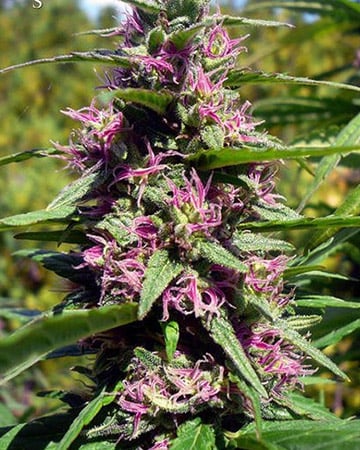
Terpene profiles also play a role in shaping the sensory and experiential qualities of cannabis. Uplifting cannabis cultivars are often rich in terpenes such as limonene, pinene, and terpinolene, which are known for their bright citrus, pine, and herbal aromas. These compounds contribute to the distinctive fragrance and flavor of terpene-rich cannabis strains and help explain why certain cultivars are frequently described as energizing or uplifting.
Because every cannabis cultivar has its own unique combination of cannabinoids, terpenes, and genetics, the overall experience can vary from strain to strain. This diversity is one reason growers and consumers often pay close attention to plant lineage, terpene content, and cannabinoid levels when selecting cannabis seeds for mood-focused cultivation.
Popular Cannabis Strains Often Associated With Positive Mood
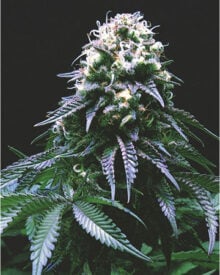
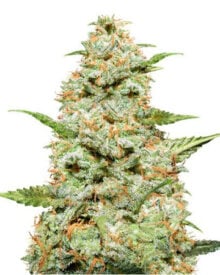
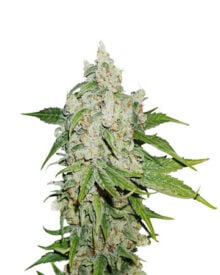
Several well-known cannabis cultivars are frequently discussed in connection with uplifting or energizing experiences. These strains often feature sativa-dominant genetics, vibrant terpene profiles, and cannabinoid compositions that many growers and enthusiasts associate with clear-headed or creative effects. While individual experiences can vary, these cultivars have gained recognition for their reputation as uplifting cannabis strains.
Sour Diesel is one of the most recognizable sativa-dominant cannabis strains and is often linked to energetic, cerebral stimulation. Its sharp, fuel-like aroma and strong THC content have made it a staple among cultivars associated with daytime-friendly effects and creative focus.
Jack Herer, named after the well-known cannabis activist, is another cultivar often associated with mood elevation. This strain is widely recognized for its bright terpene profile and clear-headed cerebral character, which many growers describe as motivating and mentally stimulating.
Durban Poison is a pure sativa cultivar known for its crisp, sweet aroma and focused mental clarity. Because of its reputation for providing alert and uplifting sensations, Durban Poison is often discussed among energizing cannabis cultivars suited for daytime use.
Balanced hybrid strains also appear in conversations about mood-supportive cannabis genetics. Blue Dream, a popular hybrid cultivar, combines sativa and indica lineage to create a more balanced experience that many describe as both uplifting and relaxing.
Finally, Super Lemon Haze and Green Crack are frequently mentioned among cannabis strains linked to positive mood and high energy. Both cultivars are recognized for their bright citrus terpene profiles and strong sativa influence, which contributes to their reputation as energizing cannabis strains.
Sativa vs Hybrid Cannabis Strains for Mood Support
When growers and enthusiasts discuss cannabis strains for depression, the conversation often turns to the differences between sativa strains and hybrid strains. Each genetic category can offer distinct plant characteristics, cannabinoid ratios, and terpene profiles that shape the overall experience associated with a cultivar.
Sativa-dominant cannabis strains are commonly linked to cerebral stimulation and energetic sensations. These cultivars often produce taller plants with longer flowering cycles and are frequently associated with clear-headed effects that many growers describe as motivating or creativity-focused. Because of these traits, sativa genetics are often discussed in relation to uplifting cannabis strains and daytime-friendly cultivars.
Hybrid cannabis strains, on the other hand, combine genetics from both sativa and indica lineages. This genetic blending allows breeders to develop cultivars with balanced characteristics, including moderate THC levels, diverse terpene profiles, and a combination of physical and cerebral effects. Many popular cannabis seeds for mood support fall into this hybrid category because they provide a more balanced overall experience.
Ultimately, the distinction between sativa and hybrid cannabis strains highlights the role of cannabis genetics in shaping plant characteristics and cannabinoid profiles. Factors such as THC levels, terpene composition, and cultivar lineage all influence how a cannabis plant develops and how its effects are commonly described.
Terpenes Commonly Found in Uplifting Cannabis Strains
In addition to cannabinoids like THC and CBD, terpenes play an important role in the aroma, flavor, and sensory profile of cannabis plants. These naturally occurring compounds are produced by cannabis flowers and contribute to the distinctive characteristics of each cultivar. Many uplifting cannabis strains are known for terpene profiles that feature bright, citrus, pine, or herbal notes.
One terpene commonly found in energizing cannabis cultivars is limonene. Known for its citrus aroma, limonene appears in many cannabis strains associated with refreshing fragrance profiles and vibrant flavor. This terpene is widely recognized across many plants and fruits, including citrus peels, and contributes to the recognizable scent of many terpene-rich cannabis strains.
Another terpene often present in uplifting cultivars is pinene, which produces a fresh pine aroma similar to that found in pine needles and certain herbs. Pinene is one of the most widely occurring terpenes in nature and contributes to the crisp scent found in many cannabis plants.
Terpinolene is also frequently discussed in connection with bright, aromatic cannabis cultivars. This terpene is known for its complex fragrance that can combine floral, herbal, and slightly citrus notes. Strains with terpinolene-dominant terpene profiles are often described as vibrant and aromatic.
Other compounds such as myrcene and beta-caryophyllene may also appear within cannabis terpene profiles, contributing additional depth to aroma and flavor. Because each cannabis plant produces its own combination of terpenes and cannabinoids, the resulting terpene-rich cannabis strains can display a wide range of sensory characteristics that influence how a cultivar is perceived.
Growing Cannabis Strains Known for Uplifting Characteristics
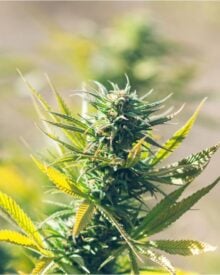
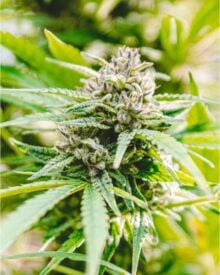
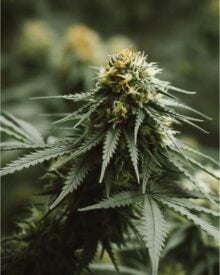
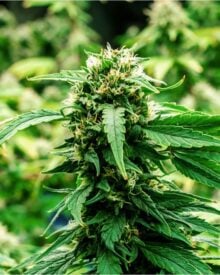
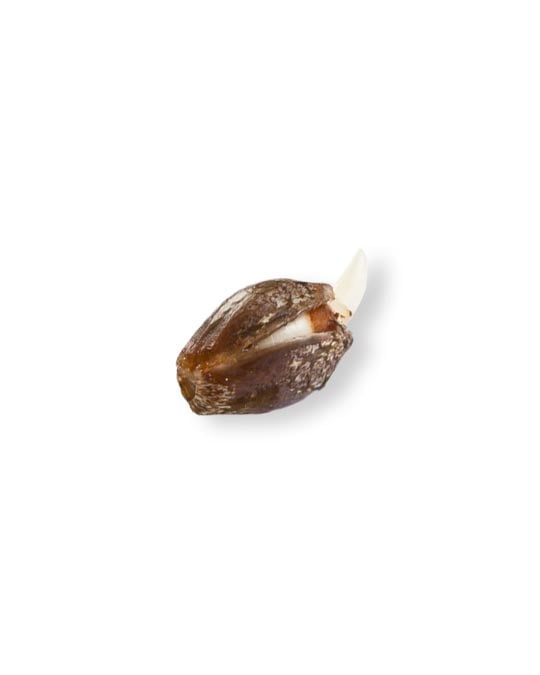
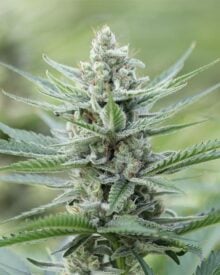
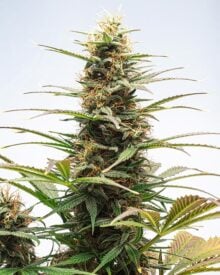
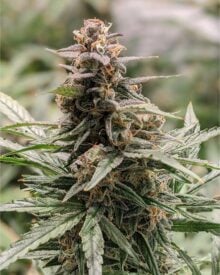
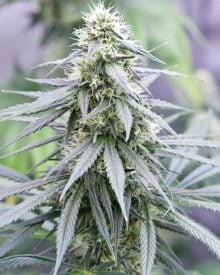
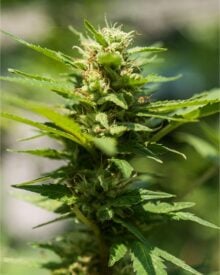
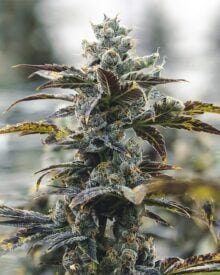
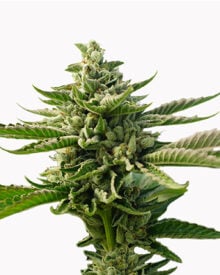
Growers interested in cultivating uplifting cannabis strains often focus on cultivars with sativa-dominant or balanced hybrid genetics. These cannabis plants are commonly associated with energetic terpene profiles and cannabinoid compositions that many growers link to bright, daytime-friendly experiences. Selecting the right cannabis seeds is an important first step in developing plants with these characteristics.
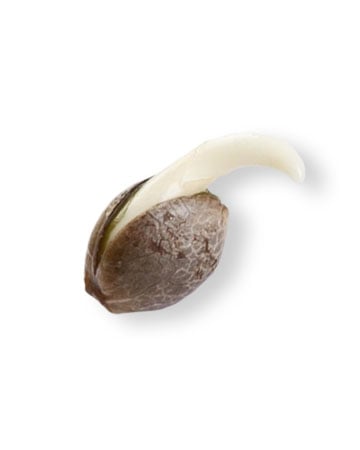
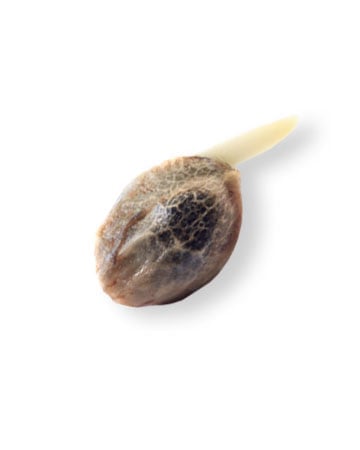
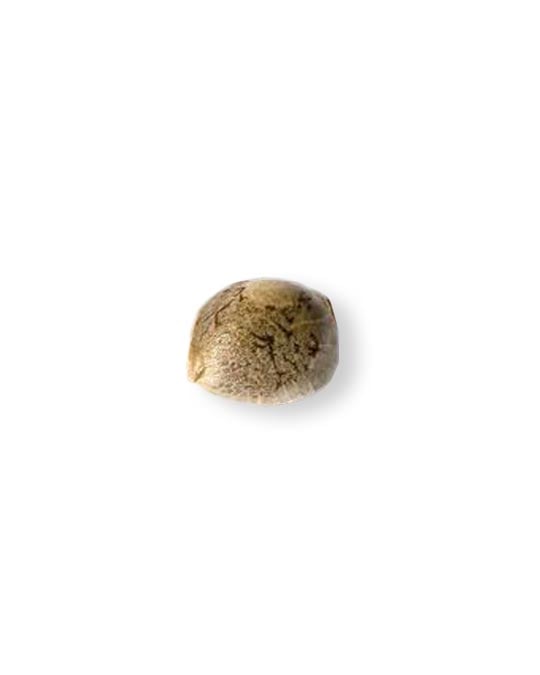
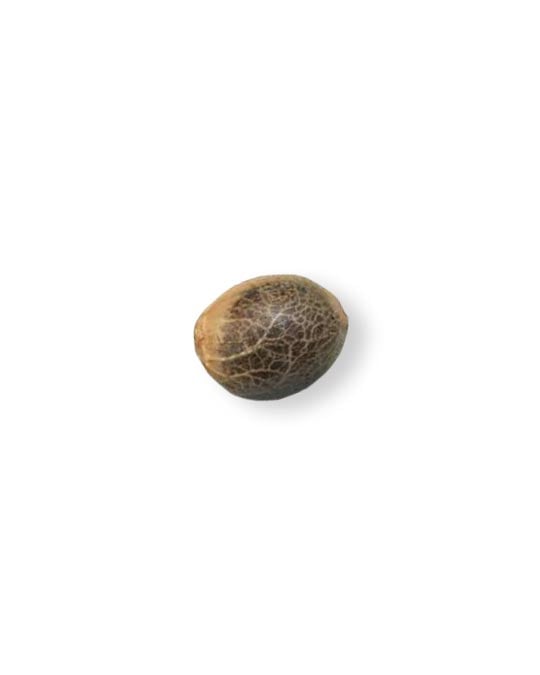
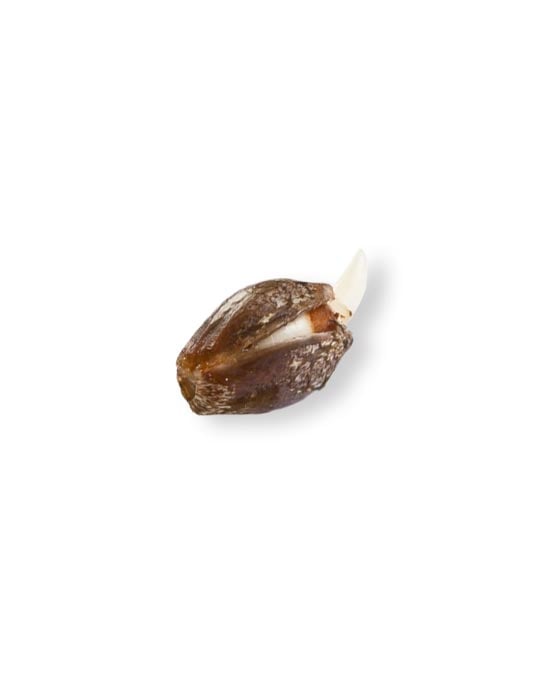
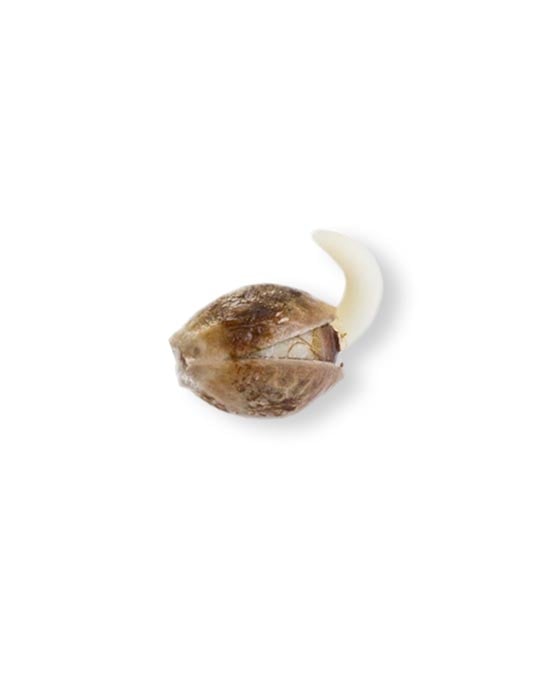
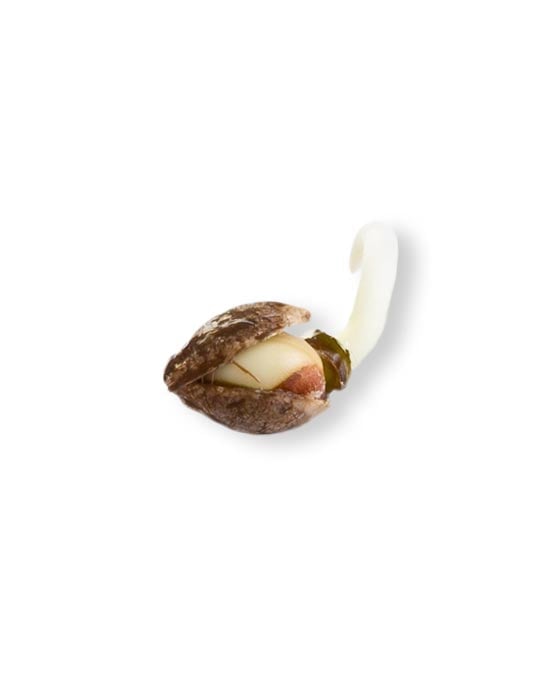
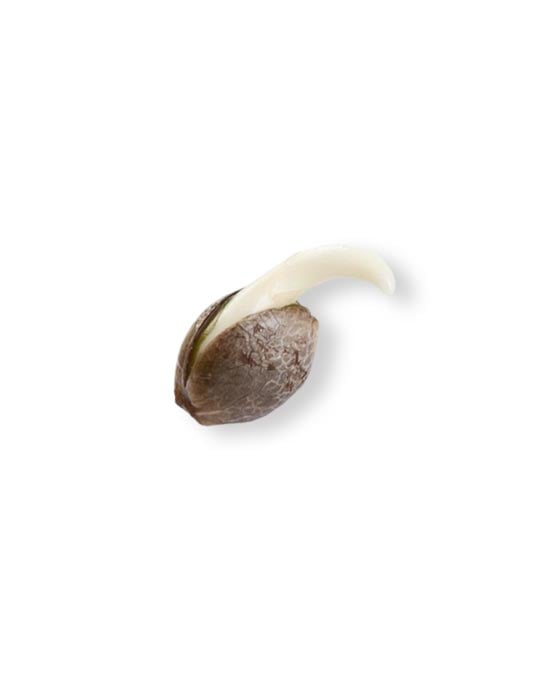
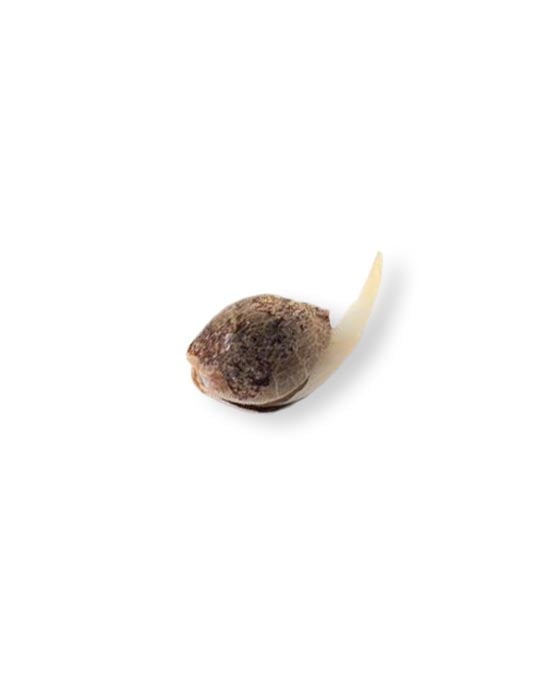
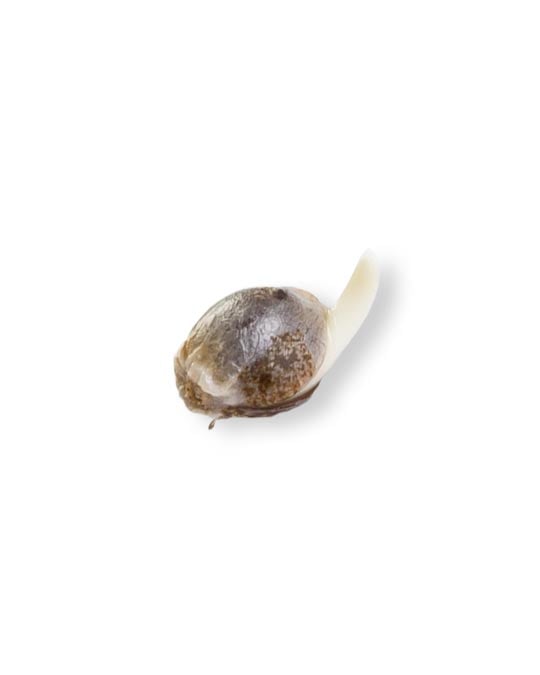
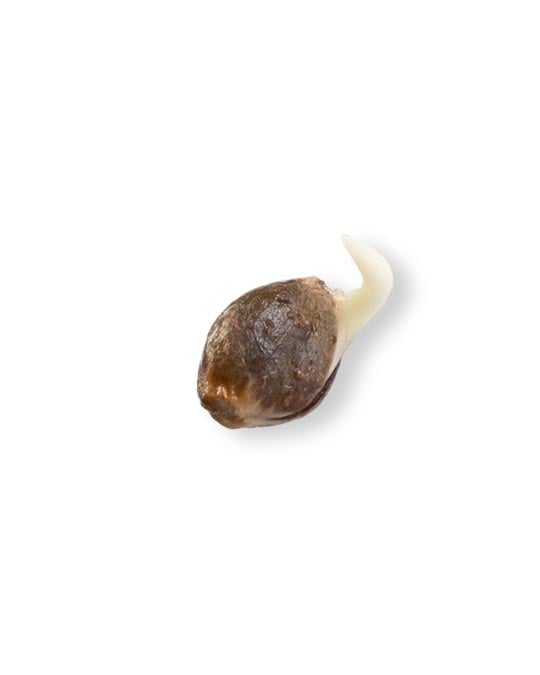
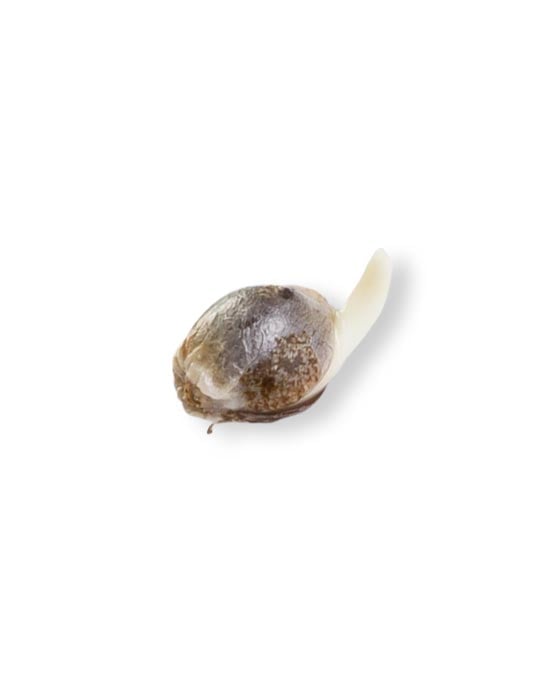
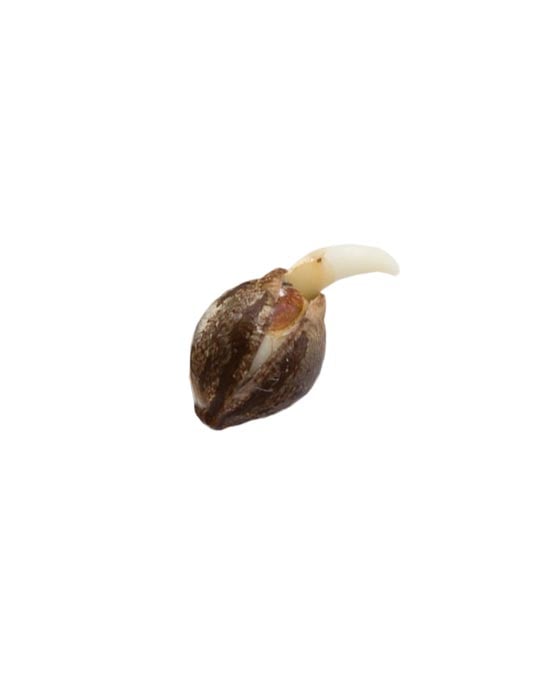
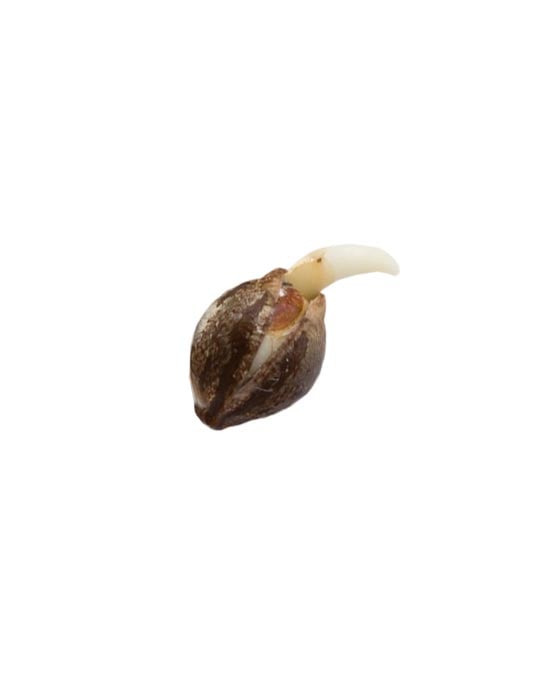
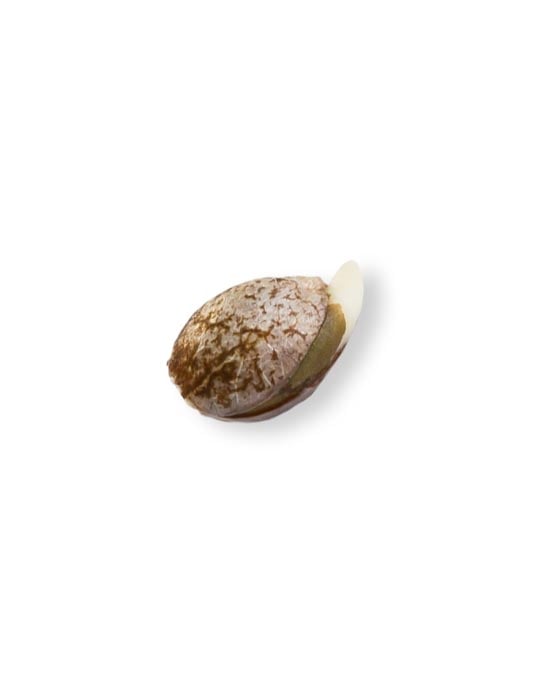
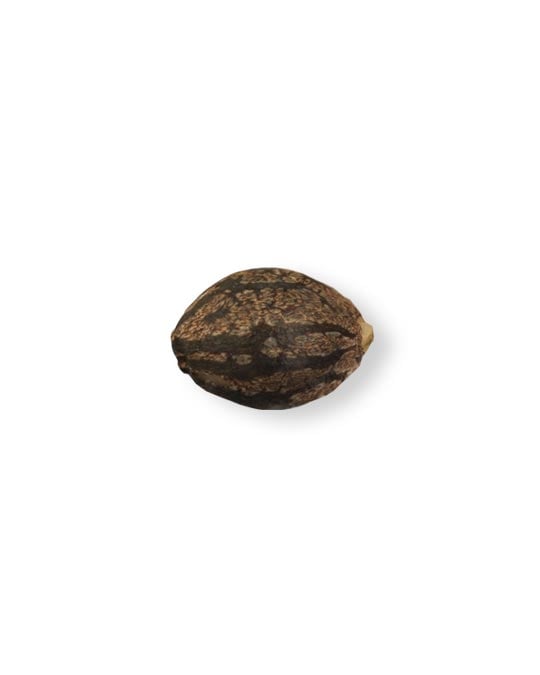
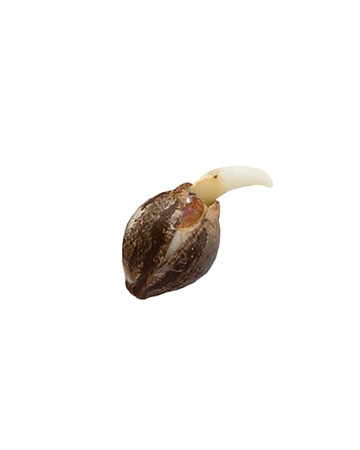
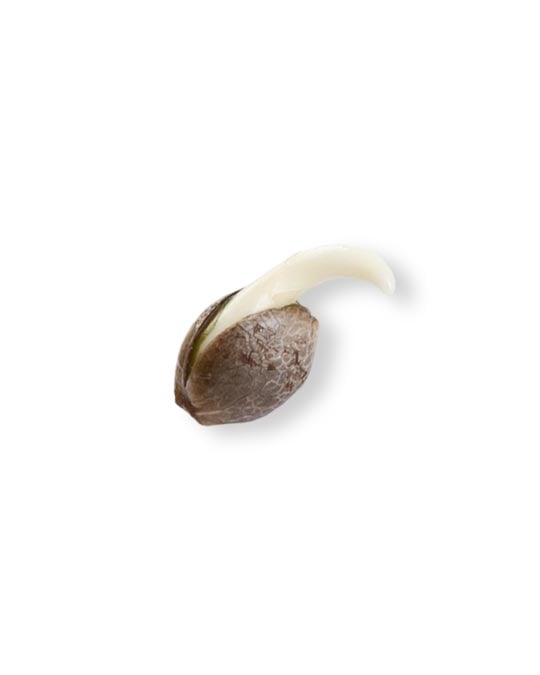
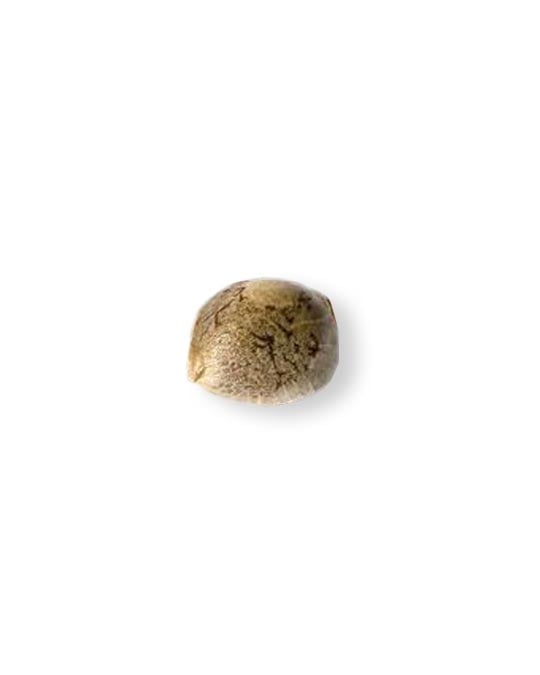
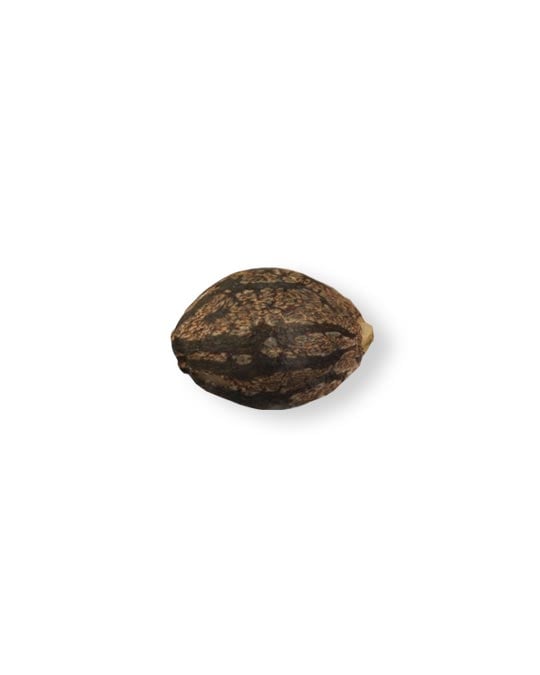
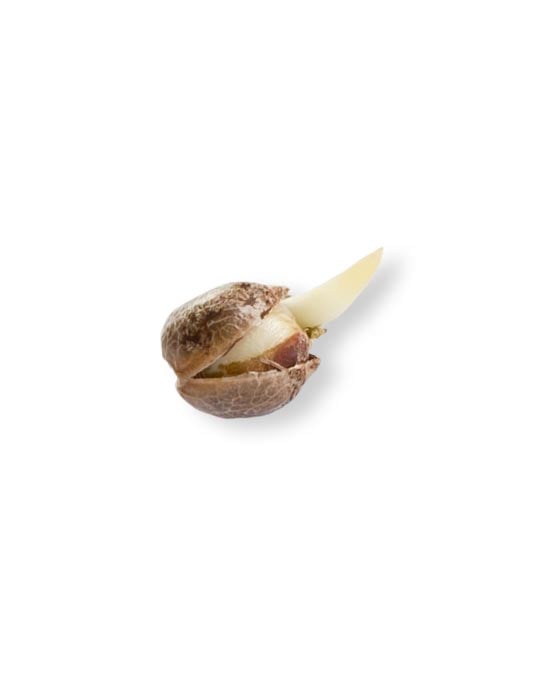
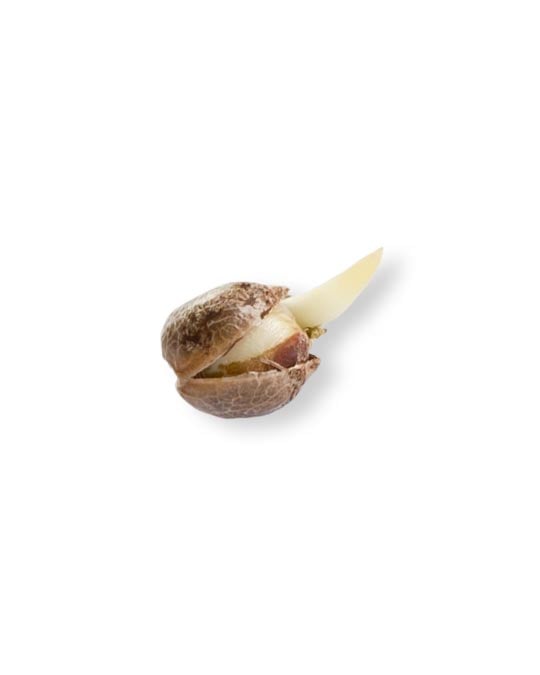
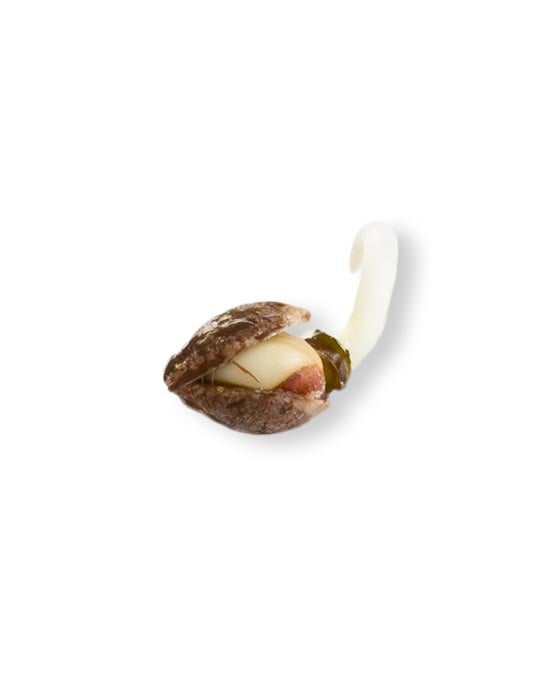
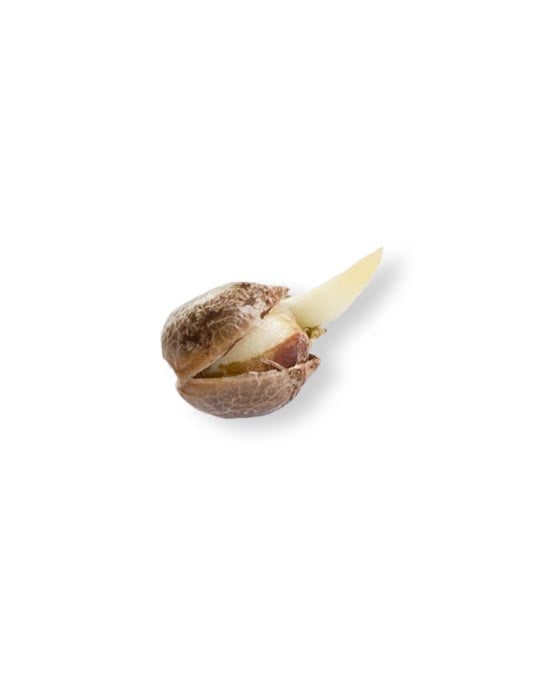
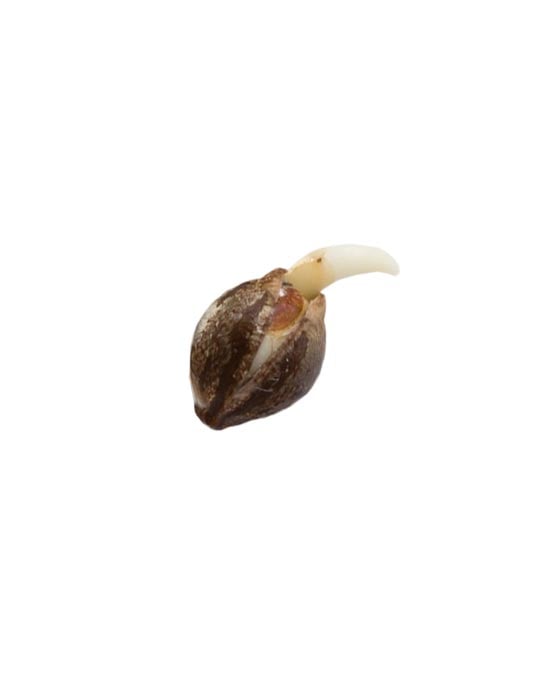
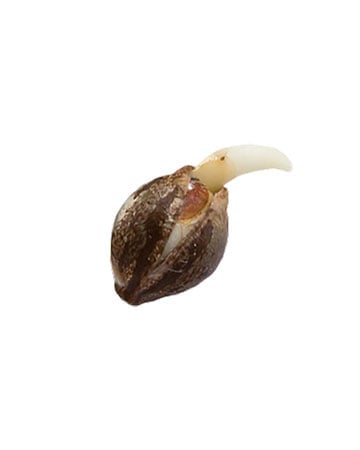
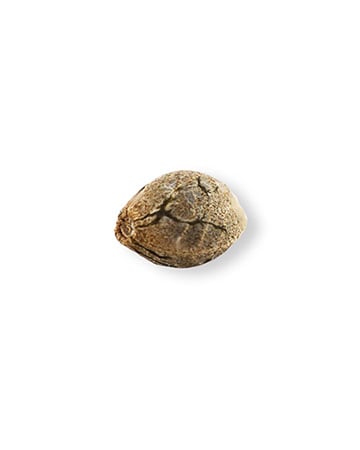
Many cultivators begin with feminized cannabis seeds, which are bred to produce female plants that generate resin-rich flowers. Feminized seeds allow growers to focus on plant development without needing to identify and remove male plants during the early stages of cultivation. For growers seeking faster harvest cycles, autoflower cannabis seeds can also be an option, as these plants begin flowering based on age rather than changes in light schedule.
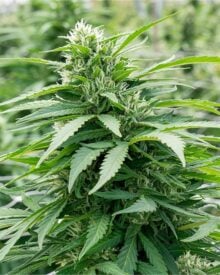
The cultivation environment also plays a role in plant growth and final characteristics. Indoor growing allows cultivators to control factors such as lighting, temperature, and humidity, while outdoor cultivation relies on natural sunlight and seasonal conditions. Both environments can support the development of cannabis plants with terpene-rich flowers and varied cannabinoid profiles.
Because cannabis seeds grow into cannabis plants with distinct genetics, factors such as cultivar lineage, growing conditions, and plant care can all influence the final outcome. At Growers Choice Seeds, growers can choose from a range of cannabis genetics suited for different cultivation styles and plant characteristics.
Choosing Cannabis Seeds for Mood-Focused Cultivation
When selecting cannabis seeds for mood-focused cultivation, growers often pay close attention to cannabis genetics, cannabinoid ratios, and terpene profiles. These factors help determine the overall characteristics of a plant, including its growth pattern, aroma, and cannabinoid composition. Because each cultivar has a unique genetic lineage, the resulting cannabis plants can produce very different terpene and cannabinoid combinations.
One of the most commonly reviewed factors is THC percentage. Some growers prefer cultivars with higher THC levels, while others look for balanced cannabinoid profiles that combine THC with smaller amounts of CBD. Since cannabinoid ratios vary widely between cannabis cultivars, comparing strain descriptions and genetic lineage can help growers choose seeds that match their goals.
Terpene profiles are another important consideration when selecting cannabis cultivars. Compounds such as limonene, pinene, and terpinolene contribute to the aroma and sensory qualities of a plant, and they vary significantly across different cannabis genetics. Reviewing terpene-rich cannabis strains can help growers understand the aromatic traits commonly associated with certain cultivars.
Because cultivar lineage influences plant characteristics, many growers review the genetic background of a strain before selecting seeds. Parent strains, cannabinoid profiles, and terpene composition can all provide clues about how a cannabis plant may develop during cultivation. At Growers Choice Seeds, a wide range of cannabis cultivars are available, allowing growers to compare genetics and select seeds suited to their cultivation preferences.
Responsible Use and Educational Information
Information about cannabis strains for depression is often shared for educational purposes related to cannabis cultivation and plant characteristics. The cannabinoid and terpene profiles discussed on this page describe how different cannabis cultivars are commonly categorized within the cannabis community. Individual experiences can vary widely, and the information presented here is intended to help growers better understand cannabis genetics and plant traits.
Cannabis seeds are sold for cultivation purposes where permitted by law. Growers should always follow local regulations regarding cannabis plants, seed possession, and cultivation limits. Laws governing cannabis vary significantly by region, so reviewing current legal guidelines is an important part of responsible cannabis use.
At Growers Choice Seeds, educational resources are provided to help growers learn about cannabis genetics, terpene profiles, and cultivation practices. Responsible cannabis use includes understanding the legal landscape, making informed decisions, and approaching cultivation with awareness of local regulations and guidelines.









 21% THCa