





 21% THCa



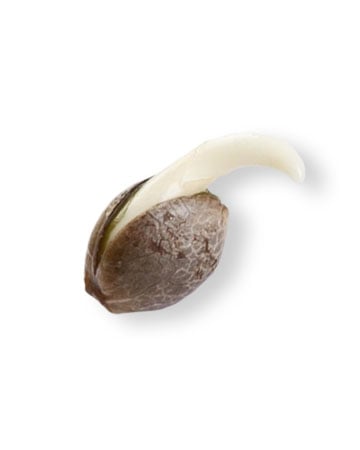


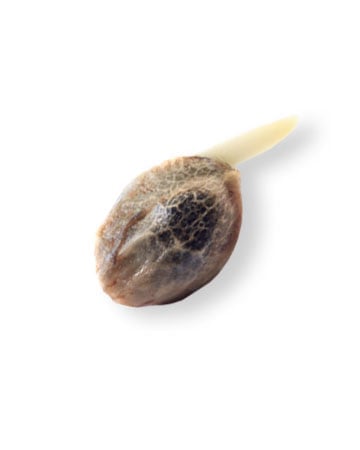


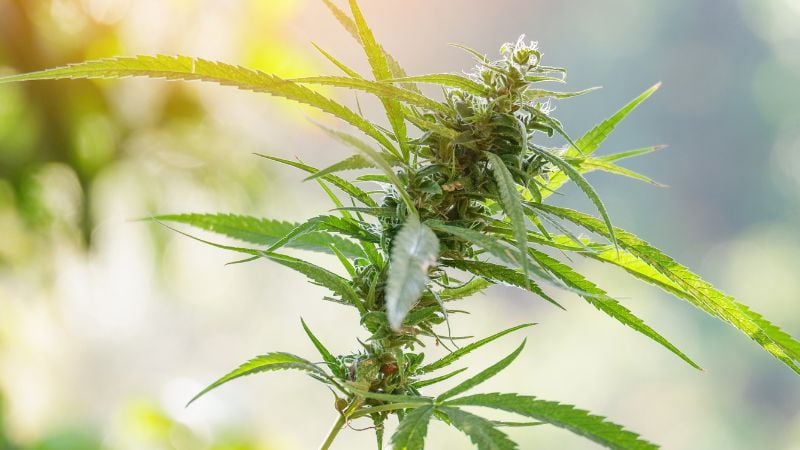
Before dispensaries, designer hybrids, and THC percentages pushing past 20%, there was 1980s weed. This was a different era of cannabis, shaped by underground distribution, imported landrace strains, and genetics that hadn’t yet been refined through modern breeding. Most cannabis in the 1980s came from places like Mexico, Colombia, Thailand, and Afghanistan, often arriving as compressed brick weed filled with seeds and stems, though sinsemilla was starting to gain traction among more experienced growers.
What defined 1980s weed wasn’t just lower potency, it was the foundation it created. Classic strains like Acapulco Gold, Panama Red, and early hybrids like Skunk #1 introduced genetics that still show up in today’s cultivars. Growers were beginning to experiment with indoor cultivation and selective breeding, setting the stage for the high-quality cannabis market we know now. If you’re looking at modern strains, you’re already looking at the legacy of 1980s weed.
What Was 1980s Weed Like?
If you picked up weed in the 1980s, there’s a good chance it looked nothing like what you see in dispensaries today. A lot of it came in the form of brick weed—compressed, brownish-green cannabis that was tightly packed for transport from countries like Mexico and Colombia. It often contained plenty of seeds and stems, which meant more prep work and a harsher smoke overall.
That said, not all 1980s weed was low quality. The term sinsemilla started gaining traction during this era, referring to seedless cannabis that delivered noticeably stronger effects. Sinsemilla was harder to produce and less common, but it marked a major shift toward more potent, carefully cultivated buds.
In terms of potency, most cannabis from this period had much lower THC levels compared to today’s standards. Effects were typically milder and shorter-lasting, especially with imported brick weed. Still, certain landrace strains like Colombian Gold or Thai varieties stood out for their uplifting, cerebral highs, even if they weren’t as dense or visually polished as modern flower.
Overall, 1980s weed was defined by variability. Quality depended heavily on where it came from, how it was handled, and whether it was seeded or sinsemilla. It was a transitional period where traditional outdoor-grown cannabis met the early stages of selective breeding and indoor cultivation.
The Origins of 1980s Cannabis Genetics
To understand 1980s weed, you have to start with landrace strains. These were cannabis cultivars that developed naturally over generations in specific regions, shaped by local climates, soil conditions, and traditional farming methods.
Unlike today’s highly engineered hybrids, landrace genetics were stable, distinct, and closely tied to their place of origin.
Some of the most influential genetics of the era came from regions that are still legendary in cannabis culture. Afghani strains from the Hindu Kush mountains were short, dense, and resin-heavy, laying the foundation for what we now recognize as indica-dominant plants.
On the other side of the spectrum, Thai and Southeast Asian strains were tall, slow-growing sativas known for their energetic, cerebral effects. Meanwhile, Central and South American strains like Acapulco Gold and Colombian Gold offered a balance of flavor, potency, and uplifting highs that made them staples of the time.
During the late 1970s and into the 1980s, growers began experimenting with combining these regional genetics. This marked the early days of intentional cannabis breeding, where cultivators crossed Afghani indicas with tropical sativas to create more consistent and adaptable plants. The goal was simple but transformative. Improve yield, shorten flowering times, and enhance potency while maintaining desirable effects.
This period gave rise to some of the first true hybrids, setting the stage for strains like Skunk #1 and Northern Lights to emerge. These weren’t just new varieties. They represented a shift from relying on imported cannabis to developing stable, repeatable genetics that could be grown domestically.
In many ways, the genetics from the 1980s are still alive in modern cannabis. Today’s strains trace their lineage back to these original landrace foundations, making this era one of the most important turning points in cannabis cultivation history.
The Best 1980s Weed Strains (Classic Favorites)
Haze
Haze stands as one of the most influential strains connected to the transition into the 1980s, even though its roots trace back to California in the late 1960s and 70s. Developed by the Haze Brothers, this strain was created by combining multiple landrace sativas from regions like Colombia, Mexico, Thailand, and South India. The result was something entirely new at the time. A complex, long-flowering sativa with layered effects and a distinct terpene profile.
By the 1980s, Haze had earned a reputation as a connoisseur strain, though it wasn’t the easiest to grow. It required long flowering cycles, often stretching well beyond what most growers were used to, and its tall, sprawling structure made it difficult to manage, especially indoors. Because of this, it was less common than strains like Skunk #1 or Northern Lights, which were better suited to the emerging indoor grow scene.
What kept Haze relevant was its effect profile. It became known for delivering a strong, cerebral high that leaned into creativity, focus, and a slightly psychedelic edge. Compared to the heavier, body-focused effects of Afghani-based indicas, Haze offered something more mental and expansive, which helped it stand out among experienced users.
Haze also played a major role in shaping modern cannabis genetics. Breeders recognized its unique qualities but worked to make it more manageable by crossing it with faster-flowering, more compact strains. This led to the development of countless Haze hybrids that retain its uplifting effects while improving yield and growability.
Even today, Haze genetics are everywhere (you can grow many different haze strains right now, 40 years later). From Super Silver Haze to countless unnamed crosses, its influence continues to show up in strains that prioritize energy, clarity, and complexity. It’s a clear example of how 1980s-era genetics didn’t just survive. They evolved and became a core part of modern cannabis breeding.
Acapulco Gold
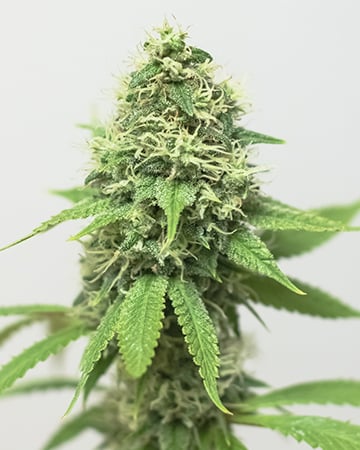
Acapulco Gold traces its roots back to the coastal mountains surrounding Acapulco, Mexico, where the region’s intense sunlight, mineral-rich soil, and ocean air helped shape one of the most recognizable landrace strains of its time. Long before the 1980s, this strain was already circulating in the United States, but it reached peak cultural relevance during the late 70s and into the 80s as one of the most sought-after imports.
Unlike the lower-grade brick weed that dominated much of the market, Acapulco Gold stood out immediately. It was known for its loose, airy structure, bright green buds dusted with trichomes, and signature golden hue, often accented by orange pistils. That visual appeal, combined with its relatively smooth smoke and uplifting, energetic effects, made it a premium option in an era where consistency was rare.
By the 1980s, Acapulco Gold had become a benchmark for quality cannabis. It represented what properly grown, sun-cultivated weed could be at a time when most consumers were used to compressed, seed-heavy imports. Its reputation helped shift expectations around flavor, potency, and overall experience, pushing growers and users alike to seek out better genetics.
While pure Acapulco Gold is much harder to find today, its genetic influence still lingers. Many modern sativa-dominant hybrids carry traits that can be traced back to this Mexican landrace, from its citrus-forward aroma to its clear-headed, daytime-friendly high.
Colombian Gold
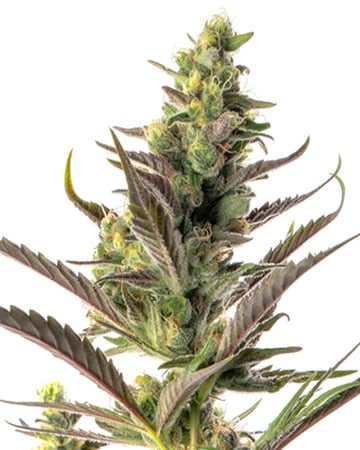
Colombian Gold emerged from the Santa Marta mountains in Colombia, where high elevation, tropical sunlight, and consistent humidity created ideal conditions for cultivating vibrant, resin-rich sativa plants. Like Acapulco Gold, it was a true landrace strain, meaning it developed naturally over time without modern breeding techniques.
During the 1970s and into the 1980s, Colombian Gold became one of the most widely distributed and recognizable cannabis imports in North America. Unlike heavily compressed brick weed, higher-quality batches of Colombian Gold retained their structure, showing off fluffy, light green buds with a golden tint and bright orange hairs. It was often considered a step above standard imports, offering a cleaner, smoother smoking experience.
What really set Colombian Gold apart was its effect profile. This strain became known for delivering a clear-headed, euphoric high that leaned heavily into energy and creativity rather than sedation. At a time when potency varied wildly, Colombian Gold built a reputation for reliability. Users knew they could expect a consistent, uplifting experience, which helped it stand out in a crowded and inconsistent market.
By the 1980s, Colombian Gold wasn’t just popular, it was foundational. Growers began using it in early hybrid breeding projects, pairing its lively sativa traits with heavier Afghani indicas to create more balanced strains. That genetic influence still shows up today in many modern cultivars that aim to combine mental clarity with improved structure and yield.
While pure Colombian Gold is harder to track down in its original form, its legacy is still baked into the DNA of countless strains on the market today.
Thai Stick
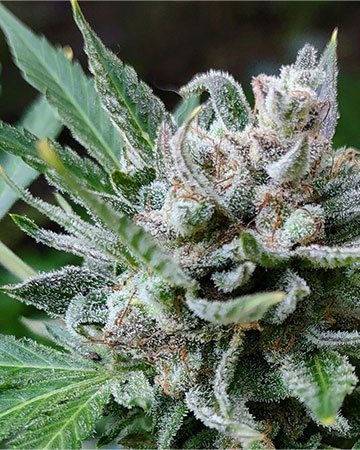
Thai Stick wasn’t just a strain, it was a method of preparation that became iconic in the 1970s and carried strong into the 1980s. Originating in Thailand, growers would take long, slender sativa buds and carefully tie them to bamboo sticks using hemp fiber. In some cases, the buds were coated with hash oil before curing, creating a more potent and aromatic final product.
The cannabis itself came from native Thai landrace genetics, known for their tall structure, long flowering times, and distinctly cerebral effects. These plants thrived in the tropical climate of Southeast Asia, producing airy, elongated buds with a pungent, spicy-sweet aroma. Compared to heavier indica varieties, Thai cannabis delivered a more energetic, almost psychedelic high that stood out in the 1980s market.
By the time Thai Stick reached the United States, it had already built a reputation as a premium import. The presentation alone set it apart. Instead of loose or compressed cannabis, it arrived as neatly bound colas, making it feel more refined and intentional. In an era dominated by inconsistent brick weed, Thai Stick signaled quality, craftsmanship, and potency.
Its influence went beyond novelty. Thai genetics became a key component in early hybrid breeding, contributing to the development of strains that prioritized uplifting, heady effects. Strains like Chocolate Thai and Pineapple Thai are among its most popular descendants. While authentic Thai Stick is rare today, the legacy of those Southeast Asian sativas continues to shape modern cannabis, especially in strains designed for focus, creativity, and daytime use.
Panama Red
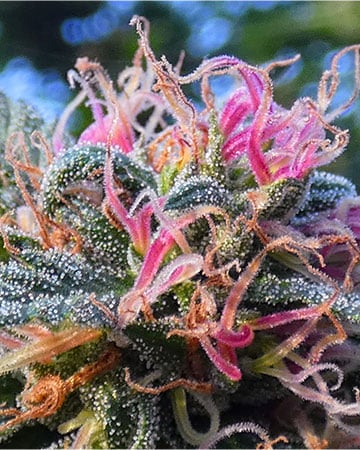
Panama Red came out of Panama’s tropical growing regions and quickly became one of the most recognizable sativa landrace strains circulating in North America before and during the 1980s. It earned its name from the distinct reddish-orange pistils that stood out against its light green, airy buds, giving it a look that was easy to spot even in a crowded lineup of imported cannabis.
Like many strains from Central America, Panama Red thrived in warm, humid climates and developed naturally over generations without selective breeding. The result was a tall, slow-flowering sativa that produced loose, wispy buds rather than the dense structure most people associate with modern cannabis. While it didn’t always look impressive by today’s standards, its effects were what made it memorable.
Panama Red built a reputation for delivering a clear, uplifting, and slightly psychedelic high. It leaned heavily into cerebral effects, often described as energetic, creative, and long-lasting. In the 1980s, that kind of experience stood out, especially compared to lower-quality imports that felt muted or inconsistent.
By the time indoor growing and hybrid breeding started gaining traction, Panama Red had already left its mark. Growers began incorporating its genetics into early crosses to capture those lively, head-focused effects while improving yield and structure. Even though pure Panama Red is harder to find today, its influence still carries through in modern sativa-leaning cultivars that prioritize mental clarity and daytime use.
Skunk #1
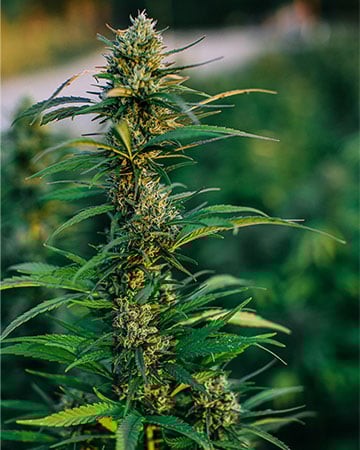
Skunk #1 marked a turning point in cannabis history. Unlike landrace strains that developed naturally in specific regions, Skunk #1 was one of the first intentionally bred hybrid strains, created by combining Afghani, Colombian, and Mexican genetics. This work was largely credited to early breeders connected to the Sacred Seed Collective, who were focused on stabilizing cannabis traits for more reliable cultivation.
By the late 1970s and into the 1980s, Skunk #1 had gained serious traction, especially among growers experimenting with indoor setups. What made it stand out was its consistency. Instead of the wide variability seen in imported weed, Skunk #1 offered predictable growth patterns, flowering times, and effects. That alone made it a huge upgrade for cultivators trying to refine their process.
The strain was also known for its unmistakable aroma. Pungent, musky, and sharply skunky, it introduced a terpene profile that would go on to define an entire category of cannabis. This wasn’t subtle weed. It was loud, and that intensity became part of its appeal.
In terms of effects, Skunk #1 struck a balance between body relaxation and mental clarity. It combined the physical weight of Afghani indicas with the uplifting qualities of Colombian and Mexican sativas, creating a hybrid experience that felt more rounded than most strains available at the time.
By the 1980s, Skunk #1 wasn’t just popular, it was foundational. It became a cornerstone for future breeding projects, influencing countless hybrids that followed. Many modern strains still trace their lineage back to Skunk genetics, making it one of the most important building blocks in the evolution from 1980s weed to today’s cannabis landscape.
Northern Lights
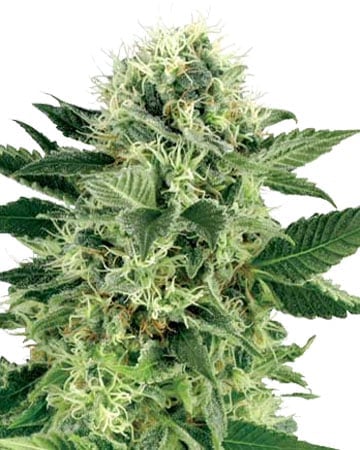
Northern Lights became one of the most important strains of the 1980s, especially as cannabis cultivation began shifting indoors. Built primarily from Afghani indica genetics, it was prized for its compact structure, fast flowering time, and heavy resin production. While its exact origins are debated, the strain was refined and stabilized in the United States before gaining global attention through breeders in Europe.
What made Northern Lights stand out at the time was how well it adapted to indoor growing environments. Unlike tall, slow-growing sativas like Thai or Panama Red, Northern Lights stayed short and manageable, making it ideal for early grow rooms using artificial lighting. It also produced dense, trichome-covered buds that signaled a clear step up in both potency and visual quality compared to many imported strains of the era.
The effects leaned heavily toward the indica side, delivering a deep, calming body high with a smooth, mellow mental experience. In the 1980s, that kind of consistent, relaxing effect helped set it apart from the more variable highs associated with landrace sativas and lower-grade imports.
Northern Lights also played a major role in shaping modern cannabis breeding. Its stability and resin output made it a go-to parent strain for countless hybrids, contributing to improved yields, faster harvest cycles, and more predictable results. Even today, many popular strains carry Northern Lights genetics, making it one of the most influential cultivars to come out of the 1980s era.
Chocolope
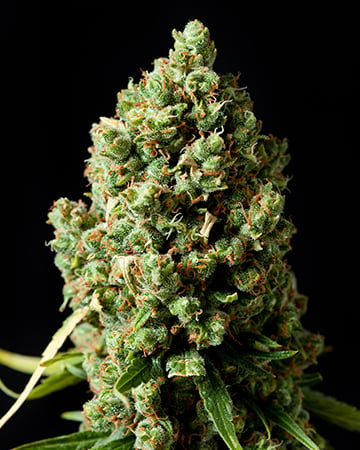
Chocolope was created to bring back the bright, energetic sativa experience that defined classics like Chocolate Thai and other Southeast Asian cultivars popular in the 70s and 80s.
At its core, Chocolope is a cross between Chocolate Thai and Cannalope Haze, both of which trace their lineage back to old-school landrace genetics. Chocolate Thai, in particular, was closely tied to the Thai Stick era, known for its long, airy buds and cerebral, almost psychedelic effects. By combining these genetics with more modern breeding stability, Chocolope bridges the gap between vintage cannabis and contemporary expectations.
What sets Chocolope apart is its flavor and effect profile. It carries a distinct sweet, cocoa-like aroma layered with earthy and coffee notes, something that stands out even in today’s terpene-heavy market. The high leans heavily into focus, creativity, and daytime energy, echoing the kind of clear-headed experience that made 1980s sativas so popular.
In many ways, Chocolope shows how breeders have preserved and refined the essence of 1980s weed. It takes those classic, energetic genetics and packages them into a more consistent, grower-friendly format. While you might not find pure Chocolate Thai or original Thai Stick as easily today, strains like Chocolope keep that lineage alive in a way that fits modern cannabis standards.
How 1980s Weed Compares to Modern Cannabis
If you put 1980s weed next to what’s available today, it’s a completely different experience from top to bottom.
Back in the 80s, most cannabis came from imported landrace genetics. Think Colombian, Mexican, Thai, and Afghani cultivars. A lot of it was compressed for transport, full of seeds, and not grown with consistency in mind. THC levels were usually pretty modest, often sitting somewhere in the low single digits to maybe the low teens.
Modern cannabis flipped that script. Breeders spent decades refining cultivars, crossing classic genetics into stable hybrids that push potency much higher. It’s common now to see THC levels well above what was typical in the 1980s, along with way more consistency from plant to plant.
There’s also a big shift in how the plant looks and smells. 1980s weed was often airy, leafy, and rough around the edges. Today’s buds are dense, resin-heavy, and covered in trichomes. The terpene profiles are more dialed in too, so instead of a generic earthy or skunky smell, you get very specific notes like citrus, gas, fruit, or dessert-like aromas.
Growing methods play a huge role in that difference. In the 80s, growers were working with limited tools and a lot of trial and error. Modern cultivation uses controlled environments, better lighting, and refined feeding techniques, which leads to cleaner, more predictable results.
Even with all that progress, those old-school cultivars still matter. A lot of today’s top genetics trace directly back to those 1980s foundations. The difference is that modern cannabis takes those original building blocks and pushes them further in terms of potency, flavor, and consistency.
The Rise of Indoor Growing in the 1980s
Indoor growing really took off in the 1980s, and it changed how cannabis was cultivated almost overnight. With increased pressure from the War on Drugs, growers needed more control and more privacy, so they started moving operations inside.
Instead of relying on outdoor seasons, indoor setups let growers run crops year-round. Early grow rooms were pretty simple compared to what you see now, but even basic setups with high-intensity lights gave growers a level of control they never had before. Light cycles, temperature, and humidity could all be managed in one space, which meant more consistent results.
Hydroponics started gaining traction during this time too. Growing without soil gave cultivators tighter control over nutrients and helped speed up growth. Yields became more predictable, and plants could be dialed in with way more precision than traditional outdoor methods.
Cultivars like Northern Lights played a big role here. They were compact, fast, and well-suited for indoor environments, which made them ideal for growers looking to stay discreet. That shift toward indoor-friendly genetics helped shape the direction of cannabis breeding moving forward.
A lot of what growers take for granted today traces back to this era. Modern grow tents, LED systems, and advanced hydro setups all build on the foundation that was laid when indoor cultivation first became a necessity rather than a choice.
FAQs
What did weed usually look like in the 1980s?
Most 1980s weed looked rough compared to what you see today. It often had seeds and stems, looser buds, and a darker green or brownish color from being compressed during transport.
Why was a lot of 1980s weed full of seeds?
A lot of cannabis back then wasn’t grown specifically to be seedless. Without controlled growing environments, plants were often pollinated, which led to seeded buds instead of sinsemilla.
When did cannabis start becoming more potent?
Potency really started climbing in the late 80s into the 90s as breeders began stabilizing hybrids and focusing on THC levels. Indoor growing and better genetics pushed that shift forward.
Are classic 1980s cannabis cultivars still used today?
Yes, a lot of modern cultivars are built from those original genetics. Breeders still use old-school lines like Afghani, Skunk, and Colombian to create new hybrids with improved traits.