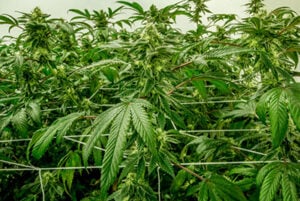





 21% THCa



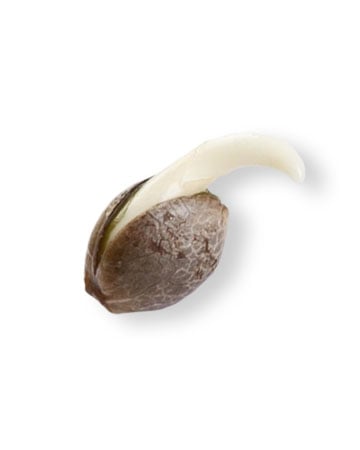


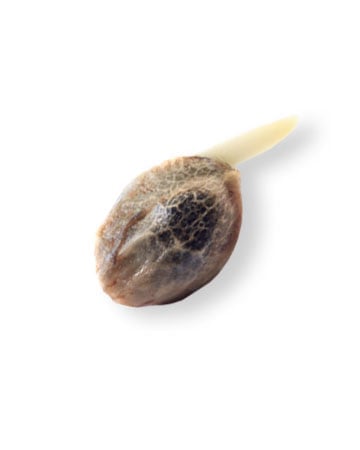


Let’s take a step back into the age of dial-up internet, late-night Blockbuster runs, and the rise of many cannabis classics we know and love today.
While marijuana fanfare may have been more obvious in the ‘60s and ‘70s, the 1990s quietly paved the way for some of today’s most beloved strains. Seed banks began fine-tuning existing hybrids, giving them names that would stick, and distributing them more broadly than ever before. For instance, while White Widow had already generated local buzz within the Amsterdam coffee shop scene, it gained widespread recognition during the mid-90s. At the same time, existing strains like Northern Lights were further refined, giving them new life—and an expanded fanbase that would only continue to grow.
Looking for a throwback high that has stood the test of time? Below, we showcase some of the best and brightest ‘90s faves from our seed library.
1. Northern Lights strain
Northern Lights first emerged in the 1980s, but after being fine-tuned by Dutch seed banks, it enjoyed a spike in popularity. Fans praised its indica-heavy lineage with added gusto, noting its compact, fast-flowering qualities and low-maintenance nature as especially helpful for newer growers. A longtime hit with seasoned pros and first-time gardeners alike, its hefty THC levels, pine-like scent, and deeply relaxing effects continue to impress new generations. The autoflowering Northern Lights strain is a good choice for those just starting out or anyone who prefers a more approachable growing process.
2. Silver Haze
Energetic and uplifting, Silver Haze was developed in the late ’80s, but captured attention like never before in the following years. Its 90% sativa levels produce intense cerebral focus and joy, while its smidge of indica lineage adds a touch of relaxation. Growers of this strain also appreciate its dynamic terpene profile and flavorful character, noting its earthy, spicy notes produce a robust, wholesome feel.
3. White Widow seeds
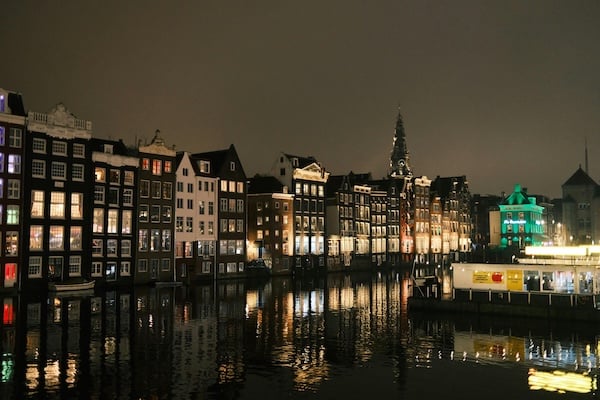
Bred in the Netherlands, this strain is arguably one of the most famous around. Visually striking and potent, its named for the sparkling white trichomes that cover its heavy, resinous buds. Its 60:40 indica-to-sativa split creates a dynamic array of effects: Creative yet lulling, happy yet rich, it’s an ideal choice for those who like the best of both worlds. To this day, many growers consider White Widow seeds a go-to choice for their collections, especially those who like intense psychoactive effects and a balanced high.
4. Trainwreck strain
Trainwreck hails from Northern California. While its origins are somewhat of a mystery, we know it earned major points in the ‘90s and continued to ride this wave of popularity into the decades that followed. Speedy and intense, it merges heavy THC levels with sprightly, sativa vibes. It’s also known for its relatively fast growth, robust structure, and lanky height. Powerful and potent, it tends to appeal to more experienced cannabis users.
5. Island Sweet Skunk
The Island Sweet Skunk strain hails from Vancouver Island. Derived from Skunk #1, it shares many of the same enviable traits, but with a sweeter, more citrus-forward profile. Also known as “BC Sweet Skunk,” it leans slightly more sativa than its parent strain and boasts crisp, clear effects. Its 20% indica lineage also adds a noticeable hit of spacey bliss.
Although it emerged in the 1980s, it experienced a significant boost in the decade that followed, charming cannabis fans in British Columbia, followed by the Northwestern region of the United States. While it’s plenty famous, it may feel like more of a hidden gem for newer growers. Beginner-friendly and easy to love, it responds well to ScrOG and sunshine-rich environments.

6. Sour Diesel
Sour Diesel emerged in the late ’90s on the East Coast and quickly became one of the most recognizable strains around thanks to its sharp, fuel-like profile and sativa-rich effects. In addition to making a name for itself, it also helped shift the cannabis world’s focus toward more pungent, high-aroma picks in general. Today, Sour Diesel seeds are a staple pick for growers who love a speedy, buzzy effects and a buzzy head high.
7. Jack Herer
Named after the cannabis activist, Jack Herer is another Netherlands-born strain that rose to fame in the mid-90s. Its sativa-leaning lineage sparks blissful and creative effects, while its 21% THC content produces noticeable euphoria. The offspring of Northern Lights #5 and Shiva Skunk, it’s best known for its clear-headed buzz, bright green hue, and true staying power.
8. Cinderella 99
The Cinderella 99 strain was bred in the mid-to-late ‘90s, making it perfectly timed to make a splash on millennium-era growing forums. Its enchanting effects are largely thanks to its rich THC levels of 22%. In addition to its euphoric qualities, its nimble flowering time appeals to those pressed for time. Clear, crisp, and known to promote happiness, it remains a major hit to this day.
9. Bubble Gum strain
Originally developed in the 1980s or potentially earlier, Bubble Gum cannabis truly popped in the ’90s. Our Bubble Gum auto seeds have a near-even split of indica and sativa lineage that feels balanced and bright. They also contain 10% ruderalis, which makes for a lower-maintenance growing process and plants that flower on their own. Easy to grow and easy to enjoy, Bubble Gum auto also boasts moderate THC levels of 16% and a decidedly fruity scent.
10. Durban Poison
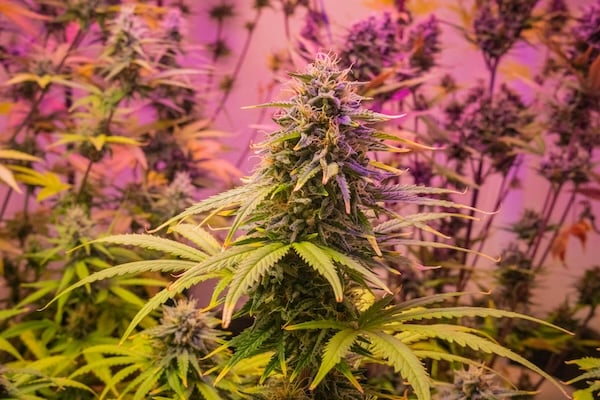
Durban Poison is a pure sativa landrace that grew in the wild long before the ‘90s. However, this decade was when it achieved widespread fame, becoming globally available. It went on to win 2nd place for Best Sativa at the NW Cannabis Classic, and was also recognized at the Emerald Cup. Fans love its sharp, energizing effects and heavy-duty THC content, making Durban Poison seeds a longtime staple for outdoor growers.
Exploring Strains from Every Decade
While the 1990s appear as a quieter period in cannabis history, this decade subtly set the stage for the long-term success of many strains. In a way, the fan faves we’ve covered above aren’t just retro; they’re more popular today than ever before and merge throwback charm with real staying power.
While we whittled down this particular list to just ten impressive strains, our full seed library contains hundreds of choices that span decades. From ‘70s classics like Skunk No. 1 to contemporary treasures such as Jokerz 31, there’s a strain to suit virtually every preference.
FAQs
Why were the 1990s important for cannabis culture?
The decade saw rapid growth in seed banks, distribution, and indoor cultivation. It also opened the door to modern strain branding, international cannabis culture, and a more widespread sharing of ideas.
Did cannabis become more potent in the 1990s?
In many cases, yes. Breeders began increasingly selecting for resin production and potency, producing strains that either rivaled or surpassed the THC levels seen in older strains.
Why did Dutch seed banks matter so much?
While there were new and innovative breeders in many area of the world, Dutch seed banks played an important role in standardizing, branding, and distributing cannabis strains internationally during the 1990s.t options do you offer?
What made 1990s cannabis different from earlier decades?
The 1990s marked a major turning point in cannabis culture. Earlier decades were dominated by regional strains and a more underground approach to sharing strains. But the rise of Dutch seed banks helped shift the culture, producing more consistent hybrids internationally.
Are strains from other decades equally impressive?
Absolutely. While the 1990s were an influential time in the history of cannabis, every decade has contributed something unique. The ’60s and ’70s launched vintage classics, while the 2010s and 2020s have placed greater emphasis on developing tailored experiences, producing a new wave of hybrids that appeal to a wider range of preferences.