





 21% THCa



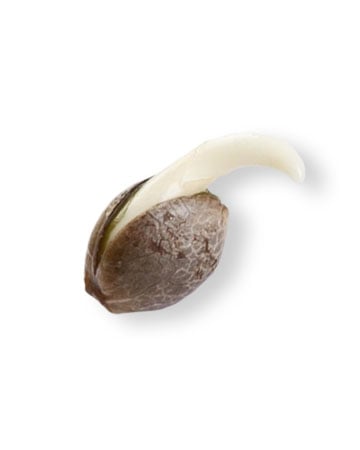


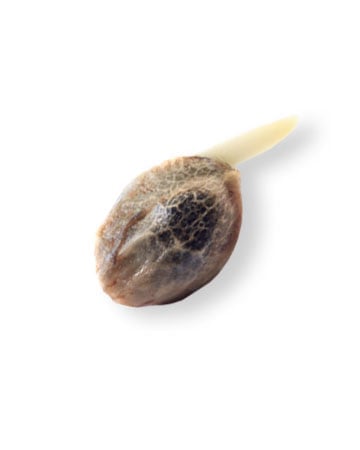


Watering weed plants seems simple, but timing makes all the difference. Too much water can suffocate roots, and too little can stall growth. Every cannabis plant has its own rhythm depending on the environment, container size, and growth stage. Knowing when to water helps your plants grow strong, develop rich green leaves, and produce healthy buds. This guide breaks down how to read your plants and build a watering routine that keeps them thriving from seedling to harvest.
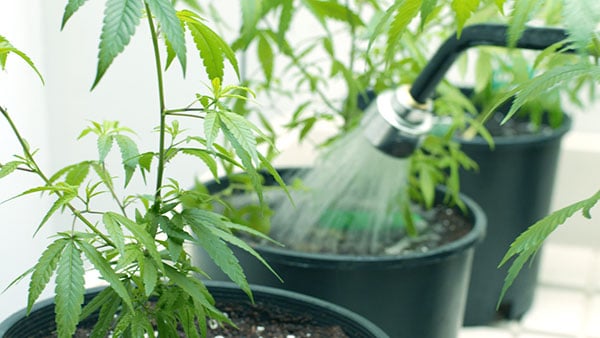
Understanding Your Cannabis Plant’s Water Needs
Cannabis plants depend on water for nearly every part of their growth. Roots pull in water and nutrients, while leaves release moisture through transpiration to help keep the plant cool. The right balance between hydration and oxygen keeps the roots healthy and active.
A healthy watering rhythm supports photosynthesis, nutrient flow, and overall growth. If the soil stays too dry for too long, the plant can struggle to absorb nutrients. On the other hand, soggy soil cuts off oxygen, which can lead to root problems.
How Cannabis Uses Water
Water carries minerals through the roots to the leaves where they turn light into energy. As the plant grows larger, it drinks more, especially during warmer periods when transpiration increases.
Signs Your Weed Plant Needs Watering
Dry topsoil, drooping leaves, and slower growth often mean your cannabis plant is thirsty. If the pot feels light when lifted, that is another signal it is time to water.
Key Factors That Influence Watering Frequency
Every grow setup has unique conditions that affect how often your plants need water. Temperature, humidity, soil type, and pot size all play a big role. A plant growing outdoors under full sun will dry out faster than one inside a cool tent.
Indoor vs Outdoor Watering Needs
Outdoor cannabis plants face direct sunlight, wind, and higher evaporation rates, which often means more frequent watering. Indoor plants live in a more controlled space where moisture stays in the air longer, so they might need water less often.
Soil Moisture and Drainage
Soil that drains well lets roots breathe and keeps water from pooling around them. A mix with perlite or coco coir works best because it holds enough moisture without becoming soggy. If the soil feels damp two inches below the surface, hold off before watering again.
Pot Size and Root Bound Risk
Smaller pots dry out quickly and need more attention, while larger containers hold water longer. As plants grow, their roots can fill the pot completely and start circling around the edges. This limits nutrient uptake and affects how often watering is needed.
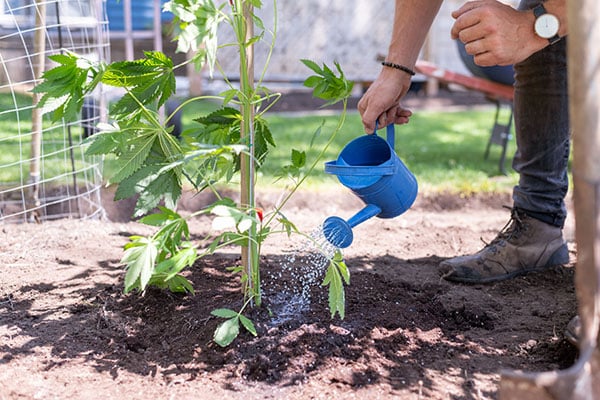
Best Times of Day to Water Weed Plants
The time of day you water can change how your plants absorb moisture. Watering when the temperature is cooler helps reduce evaporation and stress.
Morning Watering Benefits
Early watering gives cannabis plants what they need to handle daytime light and heat. The soil has time to absorb moisture, and the roots can draw in nutrients as the day warms up. It also helps prevent leaves from staying wet overnight, which reduces the chance of mold.
Why Evening Watering May Be Risky
Watering late in the day leaves soil damp through the night, creating a perfect environment for fungus and pests. If you can only water at night, make sure there is airflow around the plants so the soil can dry slightly before dark.
Most cannabis plants need water every two to three days, depending on the size of the pot, soil mix, and temperature. Always check the top two inches of soil before watering again.
Morning is best since plants can use the moisture during daylight hours and the soil has time to dry out before night, lowering the risk of mold and pests.
Overwatered cannabis shows drooping leaves even when soil is wet. The leaves may look swollen or start to yellow. Let the soil dry before watering again.
Yes, if your tap water isn’t high in chlorine or heavy minerals. Letting it sit out overnight helps the chlorine evaporate before watering your plants.
During flowering, water less often but more deeply. This encourages strong roots and helps buds mature without excess moisture that can cause mold.
A moisture meter, pH meter, and watering can with a gentle flow are useful. They help control soil hydration and keep pH between 6.0 and 6.8 for healthy roots.