



 21% THCa







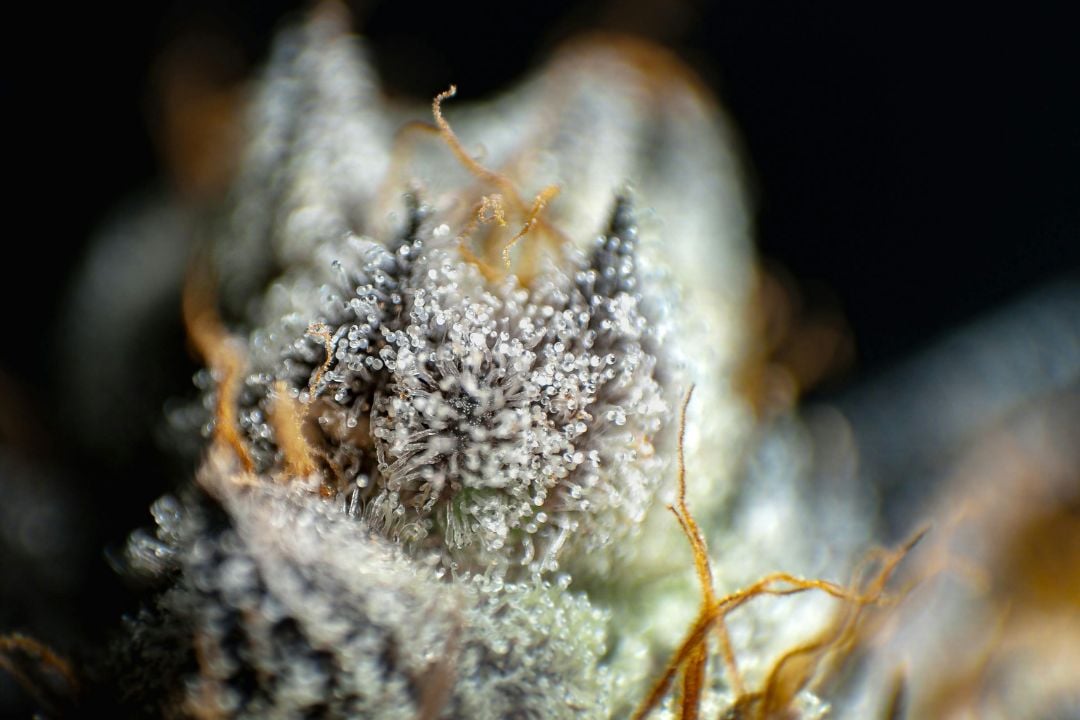
Knowing when to harvest cannabis plants is what separates good bud from great bud. You’re looking for that perfect moment when your plants have reached full maturity but haven’t started to fade or lose their punch. The best way to tell is by watching the trichomes—the tiny crystal-like resin glands that coat your buds.
When most trichomes are cloudy with a few turning amber, and the pistils have darkened and curled in, your plants are in their harvest window. Cutting too early can leave you with lighter, grassy buds, while waiting too long can make them taste dull and feel heavier.
Every cultivar is different, but timing your harvest by sight beats guessing by the calendar. Indoors or outdoors, the clues are on the plant itself—if you know what to look for.
Cannabis Growth Stages Before Harvest
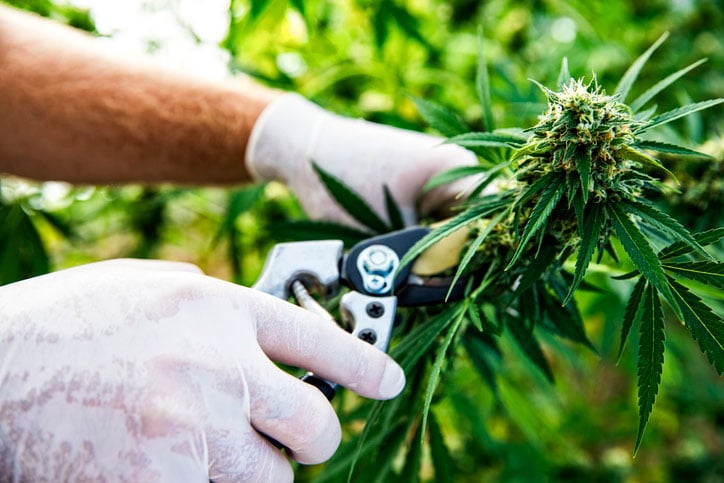
Before you can time your harvest, you need to know where your plants are in their life cycle. Cannabis moves through clear phases from seed to seedling, then vegetative growth, flowering, and finally harvest. Each phase has its own look and rhythm.
During the flowering stage, your plants put all their energy into growing buds. This period usually lasts anywhere from 6 to 16 weeks, depending on the cultivar. Indica-leaning cultivars tend to finish faster, around 8 weeks, while sativa-leaning ones can take up to 12 weeks or more. Autoflower cultivars follow their own timeline, usually finishing in about 10 to 12 weeks from seed to harvest.
You’ll know you’re getting close to harvest when buds bulk up, white pistils start slowing down, and the aroma becomes stronger. Fan leaves may yellow near the bottom as the plant focuses on ripening the flowers. These signs mean your cannabis is entering the final stretch, the stage where timing truly matters.
The Science Behind Harvest Timing
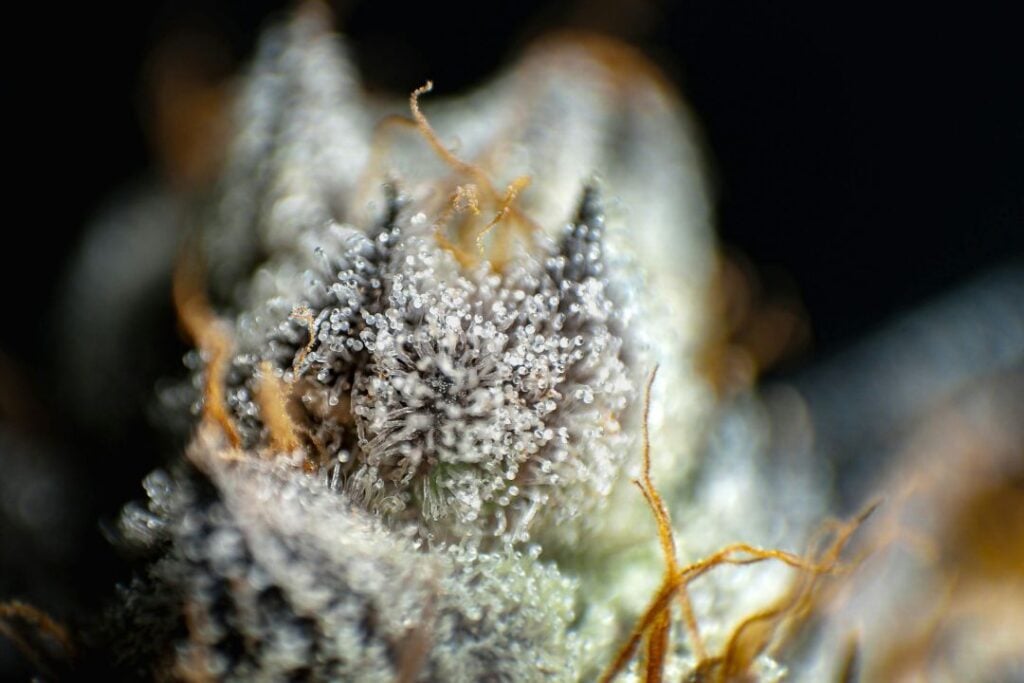
Trichomes are the key to knowing when your cannabis is ready. These tiny, mushroom-shaped resin glands cover the buds and hold the cannabinoids and terpenes that give each cultivar its unique flavor and style of high. Watching how trichomes change color tells you exactly when your plant has reached its peak.
Start by checking them with a jeweler’s loupe or handheld microscope around 30x to 60x magnification. Look at the trichomes on the buds, not on the small sugar leaves, since leaves mature faster.
Here’s what the colors mean:
- Clear trichomes – still growing, not ready yet
- Cloudy or milky trichomes – peak maturity and full aroma
- A mix of cloudy and amber – slightly heavier and more relaxed experience
- Mostly amber trichomes – late harvest stage, deeper and sleepier feel
Trichome color gives you a more reliable answer than counting flower weeks on the calendar. Each cultivar ripens on its own schedule, but the resin glands never lie.
Visual Indicators Your Cannabis Is Ready to Harvest
Trichomes tell the real story, but your eyes can pick up other clues too. Pistils, calyxes, and leaves all change as the plant nears maturity. Watching these signs together gives you a clear picture of when your cannabis is ready to cut.
Pistil color and curl
In early flower, pistils are bright white and stick straight out. As the buds ripen, they darken to orange, red, or brown and begin to curl inward. When most pistils have changed color and curled in, you’re close to the harvest window. If most are still white and straight, give it more time.
Calyx swelling and cola shape
Each small bud pod, called a calyx, starts to swell as harvest gets closer. Buds feel firmer and heavier. The colas take on a tight, dense look instead of being airy or loose.
Leaf fade
It’s normal for large fan leaves near the bottom to yellow and drop as the plant finishes. This is a sign the plant is done focusing on new growth and is putting everything into finishing the flowers.
When you see these signs together with mostly cloudy trichomes, your cannabis is ready to harvest.
How Genetics and Environment Affect Harvest Timing
Not every cannabis plant ripens on the same schedule. Genetics and growing conditions both play a big part in how fast your cultivars finish.
Indica vs. Sativa timing
Indica-leaning cultivars often finish flowering sooner, usually around eight weeks after the light cycle switches to 12 hours of light and 12 hours of darkness. Sativa-leaning cultivars tend to take longer, sometimes up to twelve weeks or more before their buds are fully mature.
Autoflower timing
Autoflower cultivars don’t rely on light cycles to start flowering. They follow their own internal clock and usually go from seed to harvest in about ten to twelve weeks. Even so, it’s always best to confirm harvest readiness by checking trichomes and pistils rather than counting days.
Indoor vs. outdoor grows
Indoor plants finish when you decide to flip their light cycle, giving you full control over timing. Outdoor plants rely on the natural shortening of days toward the end of the season. Cooler nights and reduced sunlight can slow or speed up ripening, depending on the climate.
Stress and delays
Environmental stress, such as heat spikes, cold nights, or root problems, can delay finishing. Breeder timelines are only estimates, so always trust what your plants show you instead of what the label says.
How Harvest Timing Changes the Experience
Harvest timing shapes how your cannabis smells, tastes, and feels when you use it. Cutting a few days early or late can make a big difference in the overall vibe of the finished buds.
Early harvest
When most trichomes are cloudy and only a few have turned amber, the experience tends to feel lighter and more upbeat. The aroma is sharp and bright, and the flavor usually carries more citrus or herbal notes.
Late harvest
When a larger number of trichomes have turned amber and the pistils are fully dark and curled, the experience feels heavier and more relaxed. The aroma can shift to deeper, earthier tones, and the flavor gets smoother.
Flavor and aroma window
Harvesting too early can leave buds with a grassy or raw taste. Waiting too long can dull the smell and mute the terpene profile. The best harvest timing keeps the aroma fresh and the flavor balanced, with buds that burn smoothly and taste like the cultivar should.
Step-by-Step Harvest Guide
When your plants show all the right signs, it’s time to cut and process them the right way. A careful harvest protects your hard work and keeps the flavor, aroma, and potency intact.
Step 1: Prep your space
Get your tools ready before cutting. You’ll need trimming scissors, gloves, a clean surface, and a place to hang branches for drying. Have jars ready for curing later.
Step 2: Cut the branches
Cut whole branches or full colas instead of individual buds. This helps the flowers dry more evenly and makes trimming easier.
Step 3: Hang to dry
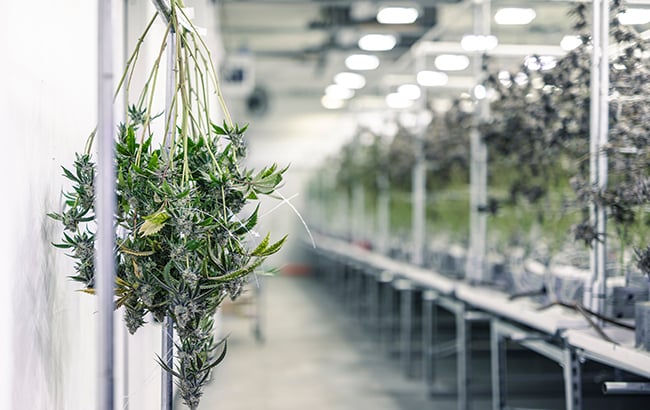
Hang the branches upside down in a dark space with gentle airflow to begin the drying process. The goal is a slow, steady dry. Rushing this step can lead to harsh smoke or lost aroma. It usually takes about a week or two, depending on humidity.
Step 4: Trim the buds
Once the outer layer feels dry and stems snap instead of bend, trim away any remaining leaves. Be patient and keep things clean so your buds stay in top shape.
Step 5: Cure in jars
Place trimmed buds into airtight glass jars to start the curing process. Open them once or twice a day for a few minutes to release moisture. Keep doing this for two to four weeks. A good cure brings out the full flavor and smoothness of your cannabis.
Common Mistakes That Ruin Cannabis Harvests
After months of care, it’s easy to make small mistakes that hurt your final results. Watching for these issues can save your buds from losing flavor or quality.
Cutting too early
Harvesting before trichomes turn cloudy or pistils darken leads to light, fluffy buds with less aroma and weaker results. Always wait until most trichomes are cloudy with a few turning amber.
Skipping the drying and curing steps
Freshly cut cannabis that isn’t dried and cured properly tastes harsh and grassy. Dry your buds slowly in a dark space, then cure them in jars to bring out smoothness and full aroma.
Letting humidity spike during drying
Too much humidity can lead to mold, ruining your harvest completely. Use gentle airflow and keep humidity around 50 percent while drying.
Ignoring light leaks in flower
Plants that get light during their dark cycle can become stressed and start growing seeds. Keep flowering rooms fully dark during the 12-hour night period.
Harvesting in pieces without a plan
Taking random buds off the plant at different times can mess with even drying and curing. If you harvest in stages, finish the top colas first and give lower buds a few extra days to ripen.
Avoiding these mistakes means your harvest keeps its aroma, weight, and smooth burn all the way to the jar.
FAQs About Harvesting Cannabis Plants
Check the trichomes on your buds with a loupe or microscope. When most are cloudy with a few turning amber, and pistils have darkened and curled, your plants are ready to harvest.
You can harvest the top colas first if they’re mature and give lower buds a few extra days under light. Some growers do a full harvest at once for a consistent dry and cure.
Harvesting too early gives you smaller, less flavorful buds. Waiting too long can dull aroma, deepen the flavor, and lead to a heavier feel. Timing affects how your cannabis tastes and burns.
Many growers stop using bottled nutrients near the end of flowering and water with plain water for the last week or two. This helps the plant use up stored nutrients before harvest.
Drying usually takes 7 to 14 days depending on humidity. After that, buds cure in jars for 2 to 4 weeks or longer. Slow curing improves aroma, flavor, and smoothness.