





 21% THCa



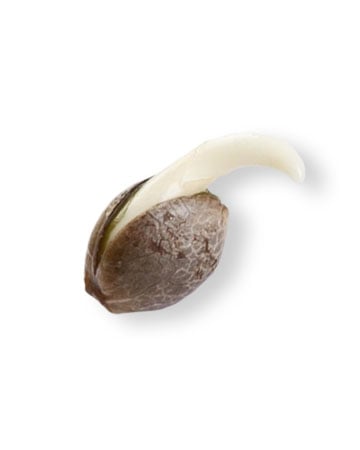


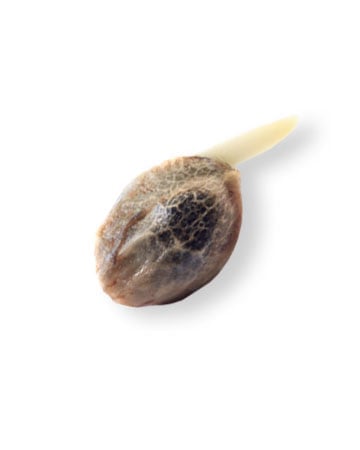


Durban Poison is a pure sativa cultivar that traces its roots back to the port city of Durban in South Africa. It’s known for its sweet, earthy scent with hints of citrus and an energizing, clear-headed buzz that’s perfect for daytime sessions. Unlike many modern hybrids, Durban Poison stays true to its landrace genetics, which means it’s naturally adapted to outdoor growth and produces consistent results without heavy crossbreeding.
Growers love it for its tall, narrow-leaf structure and quick flowering time, which is rare for a sativa. Consumers tend to reach for Durban Poison when they want focus, creativity, and a clean mental lift without feeling weighed down. It’s a long-standing favorite for those who appreciate classic, old-school cannabis genetics that have stood the test of time.
Origins and Genetic Lineage
Durban Poison comes straight from the coastal hills of South Africa, where it grew wild long before modern breeding began. It’s what growers call a landrace cultivar—one that’s never been hybridized or altered by crossing with other strains. That pure lineage gives it a genetic stability that’s become rare in today’s cannabis scene.
The strain first made its way to the global market in the 1970s when cannabis legend Ed Rosenthal brought seeds from South Africa back to the United States. Over time, growers worked to adapt it to different climates, but the heart of the cultivar stayed the same: fast-flowering, resilient, and unmistakably sativa.
Durban Poison has since become a cornerstone for breeders. Its strong, consistent genetics have been used to create countless hybrids, yet the original remains one of the most recognizable and respected names in cannabis.
Botanical Profile of Durban Poison
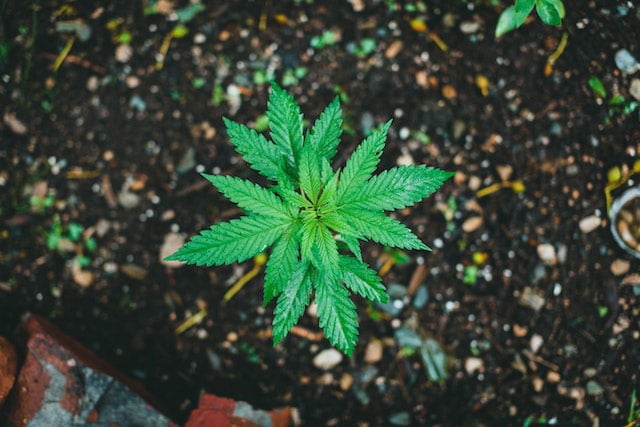
Durban Poison shows off the best of classic sativa traits. It grows tall and lean, with narrow, light-green leaves and long branches that stretch toward the sun. When grown outdoors, these plants can reach impressive heights, making them a great choice for growers with space to spare.
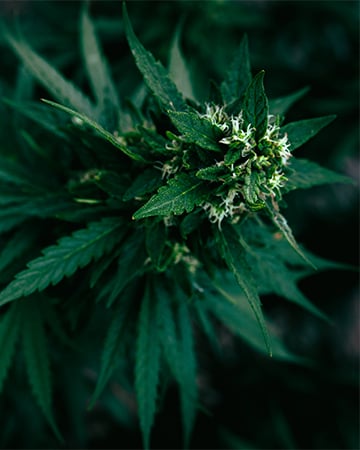
The buds are dense and round with a frosty layer of trichomes that glimmer under light. You’ll notice dark orange pistils winding through the flowers, adding to its rich visual appeal. Durban Poison’s flowering time sits around 8 to 9 weeks, which is surprisingly short for a pure sativa, and it performs well in both indoor and outdoor setups.
This cultivar thrives in warm, sunny conditions and is known for handling unpredictable weather better than most. Its resin production is strong, making it a go-to for extractors who appreciate high-yielding, sticky cultivars.
Chemical Composition and Terpene Profile
Durban Poison packs a potent punch, often testing between 18% and 24% THC. That high THC content, paired with its unique mix of terpenes, gives it the signature energetic and focused vibe it’s known for. You won’t find much CBD here—this cultivar leans heavily toward the uplifting side of the spectrum.
The dominant terpenes in Durban Poison include terpinolene, limonene, and myrcene. Together, they create a blend that’s both sweet and spicy, with bright notes of citrus and a hint of anise. Limonene brings the citrus aroma, terpinolene adds a crisp herbal tone, and myrcene rounds it out with a light earthiness.
This terpene combo is what gives Durban Poison its recognizable scent and clear-headed feel. It’s a strain that smells just as clean and sharp as it hits, making it a favorite for those who prefer something fresh and stimulating.
Effects and User Experience
Durban Poison delivers a bright, energetic high that hits fast and lasts. It’s the kind of cultivar that gets people talking, laughing, and moving. Perfect for mornings or early afternoons when you want to stay alert. Most users describe the experience as clear-headed, focused, and mentally stimulating without the fog or heavy comedown.
It’s often called a “get-things-done” strain because it boosts motivation and creativity without knocking you off balance. Artists, students, and anyone tackling a to-do list tend to keep Durban Poison in rotation for that reason.
The mood lift is noticeable too. Many fans say it leaves them upbeat and optimistic, making social settings or outdoor activities more enjoyable. Just a few hits can flip the switch from sluggish to inspired, which is why it’s a go-to sativa for daytime use.
FAQs About Durban Poison
Durban Poison is a pure sativa cultivar from South Africa known for its sweet, earthy aroma with citrus notes and its uplifting, energetic effects. It’s a landrace strain, meaning it developed naturally without hybridization.
Durban Poison is 100% sativa. It’s known for a clear, cerebral high that promotes focus, energy, and creativity, making it ideal for daytime use.
Durban Poison carries a sweet, earthy scent with citrus and anise undertones. The taste mirrors the aroma with a crisp, slightly spicy finish that lingers on the tongue.
Durban Poison flowers in about 8 to 9 weeks, which is relatively fast for a sativa cultivar. It performs well in both indoor and outdoor growing conditions.
Its dominant terpenes are terpinolene, limonene, and myrcene. Together they produce its fresh, citrusy scent and contribute to its focused, uplifting experience.
Durban Poison is potent, often testing above 20% THC. Beginners can enjoy it in smaller doses to experience its energizing and happy effects without feeling overwhelmed.
You can buy premium Durban Poison feminized and autoflower seeds directly from Growers Choice Seeds, shipped discreetly and securely to your door.