What Defines a Skunk Cannabis Strain
Skunk cannabis strains all trace back to one place, and that’s Skunk #1. This cultivar came out of California in the 1970s, when breeders were experimenting with combining landrace genetics into something more stable and predictable. The original cross brought together Afghani, Acapulco Gold, and Colombian Gold, creating one of the first true hybrid cannabis cultivars.
What made Skunk #1 stand out wasn’t just its potency or yield. It was the consistency. Growers could plant seeds and actually expect similar results across the board, which wasn’t always the case with earlier genetics. That reliability is a big reason skunk lineage still shows up in so many modern cultivars.
The name comes from the aroma, which is sharp, musky, and impossible to ignore. That pungent profile became a defining trait, and it carried through into countless hybrids that followed. Even today, if a cultivar has skunk in the name or lineage, you can usually expect that same loud terpene presence paired with solid, balanced growth.
The Origins of Skunk Genetics
Skunk genetics go back to a tight circle of breeders working in California under the name Sacred Seeds. Their goal was simple. Take wild, inconsistent cannabis plants and turn them into something stable that growers could rely on. The result was Skunk #1, a cultivar that changed how people approached breeding.
By combining Afghani, Acapulco Gold, and Colombian Gold, they created a hybrid that brought together dense structure, strong growth, and that now-iconic skunk aroma. It wasn’t just a one-off success either. Skunk #1 held its traits generation after generation, which made it a go-to building block for future cultivars.
Once those genetics spread beyond California, they quickly became part of breeding projects all over the world. That’s why you’ll see skunk lineage pop up in everything from classic European cultivars to newer hybrids on the market today. A lot of what people expect from modern cannabis, in terms of stability, yield, and terpene intensity, can be traced back to these original skunk genetics.
Common Traits of Skunk Cannabis Cultivars
Skunk cannabis cultivars have a reputation for being easy to work with and pretty consistent from seed to harvest. One of the first things growers notice is how vigorous these plants are. They tend to grow fast, handle minor stress well, and don’t require a ton of fine-tuning to get solid results.
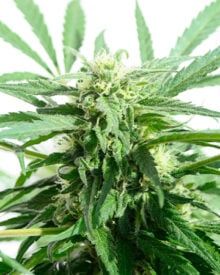
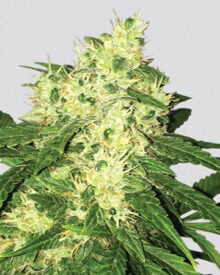
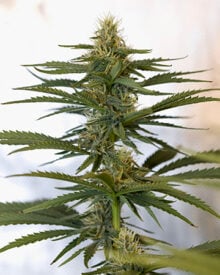
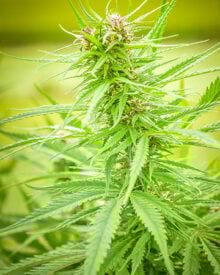
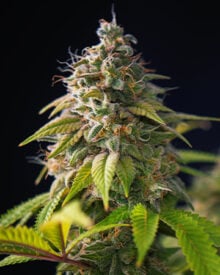
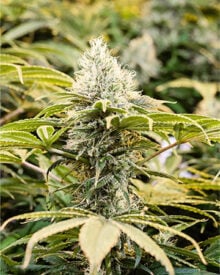
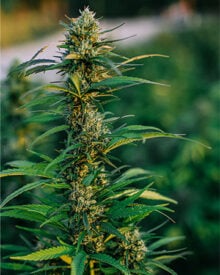
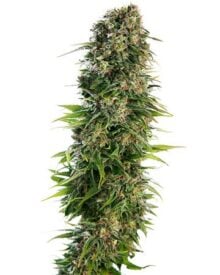
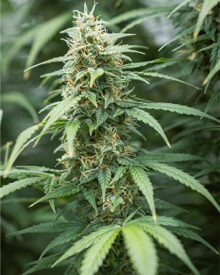
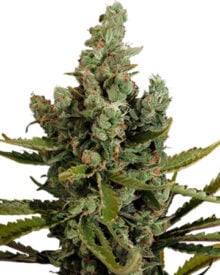
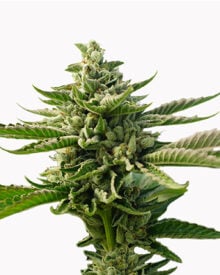
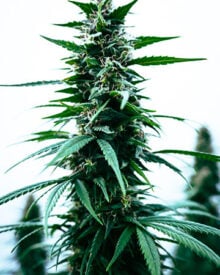
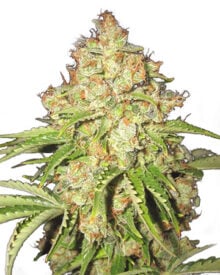
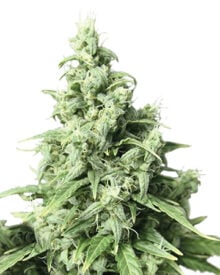
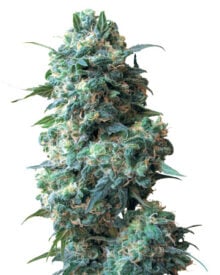
Structurally, most skunk plants fall right in that balanced hybrid range. You’ll see medium height, strong branching, and dense bud development. Yields are usually generous, which is another reason these cultivars have stuck around for so long in breeding projects.
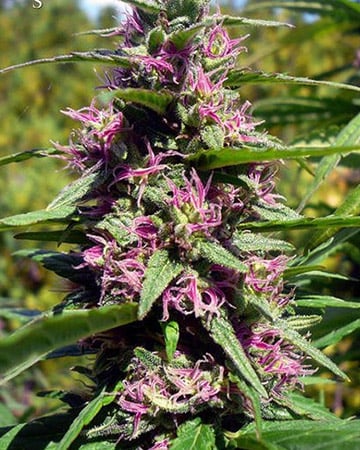
The aroma is where skunk genetics really stand out. That sharp, musky scent hits early and sticks around through flowering. It’s often backed by earthy, slightly sweet, or even citrus notes depending on the specific cultivar. If a plant has skunk in its lineage, you can expect it to be loud.
Flowering times are usually moderate, making these cultivars a solid choice for both indoor and outdoor setups. Add in their reliability and strong growth patterns, and it’s easy to see why skunk strains are still a staple for growers looking for dependable cannabis seeds.
The Signature Skunk Aroma and Flavor Profile
If there’s one thing that defines skunk cannabis strains right away, it’s the smell. These cultivars are known for that sharp, musky scent that can fill a room fast. It’s earthy, a little funky, and hard to mistake for anything else.
That aroma comes from a mix of terpenes, with myrcene, caryophyllene, and limonene showing up in a lot of skunk-heavy cultivars. Myrcene brings those deep, earthy notes. Caryophyllene adds a bit of spice. Limonene can sneak in with a light citrus edge that rounds things out.
On the flavor side, it usually follows the same path as the smell. Expect earthy and herbal tones up front, with some cultivars leaning slightly sweet or citrusy depending on the lineage. Some cuts even carry that classic “roadkill skunk” intensity that older growers still talk about.
That loud terpene profile is a big reason skunk genetics keep getting used in new cultivars. It adds depth, punch, and a recognizable edge that stands out right away.
Popular Skunk Cannabis Strains and Hybrids
Skunk genetics show up in a lot of well-known cultivars, and once you start looking for it, you’ll see that lineage everywhere. Some stay close to the original Skunk #1 profile, while others take that foundation and push it in new directions with added flavors or growth traits.
Super Skunk is one of the most direct evolutions. It leans into that classic pungent aroma but adds more density and heavier yields, making it a favorite for growers who want something reliable with a bit more punch. Early Skunk is another one that sticks close to the roots, known for its fast finish and steady performance, especially in outdoor setups.
Then you’ve got cultivars like Lemon Skunk, which take that musky base and layer in bright citrus notes from a lemon strain. It’s a good example of how skunk genetics can be shaped into something a little more flavor-forward without losing that core identity. Cheese is another standout, originally selected from a Skunk #1 phenotype, and known for its distinct, funky aroma that still carries that skunk backbone.
You’ll even find skunk lineage in heavier hybrids like Critical Mass, where it contributes to bigger yields and strong plant structure. That’s really the theme across the board. Whether it’s a classic or a newer hybrid, skunk genetics tend to bring consistency, solid growth, and a terpene profile that’s hard to ignore.
Indica vs Sativa Influence in Skunk Strains
Most skunk cannabis strains sit right in that hybrid sweet spot, but the balance between indica and sativa traits can shift depending on the lineage. That’s why two skunk cultivars can grow differently or feel a bit different, even though they share the same genetic backbone.
When the indica side shows up stronger, you’ll usually see shorter plants with thicker stems and denser buds. These cultivars tend to stay compact, making them easier to manage indoors. The growth is steady and controlled, which a lot of growers prefer when space is limited.
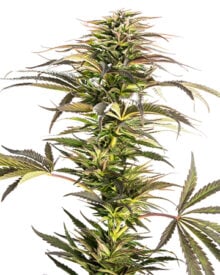
On the sativa side, skunk cultivars can stretch a bit more and develop longer branches with slightly airier bud structure. These plants still keep that classic skunk vigor, but they may need a little more room to reach their full size. They’re a good fit for growers who don’t mind training their plants or letting them run a bit taller.
What keeps skunk strains popular is that balance. Even when a cultivar leans one way, it usually keeps some of that hybrid stability. You still get strong growth, dependable yields, and that signature aroma, just with slight differences in structure and how the plant develops over time.
Growing Skunk Cannabis Seeds
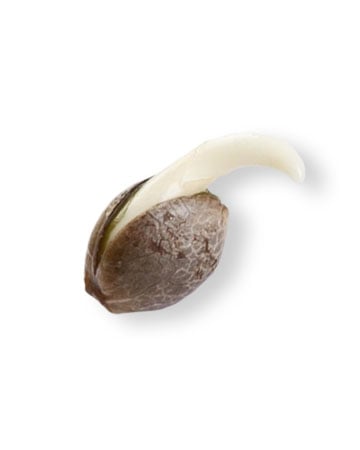
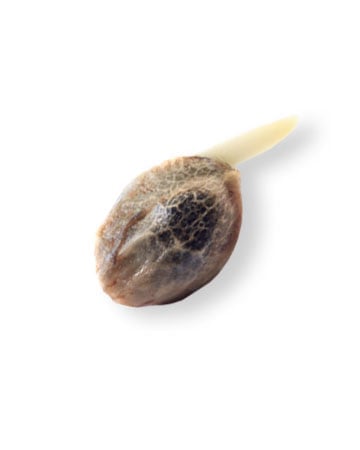
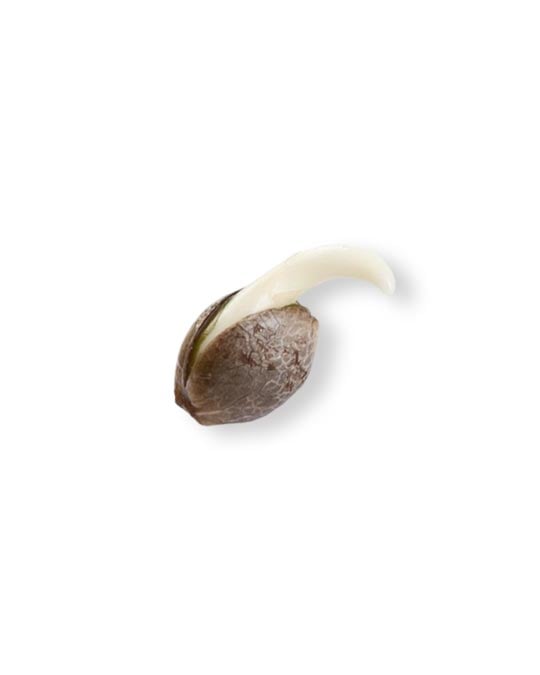
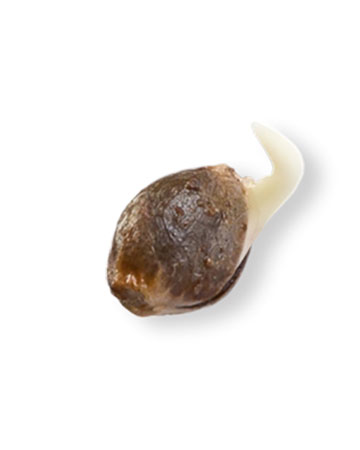
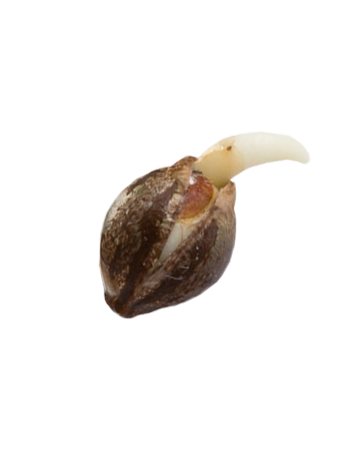
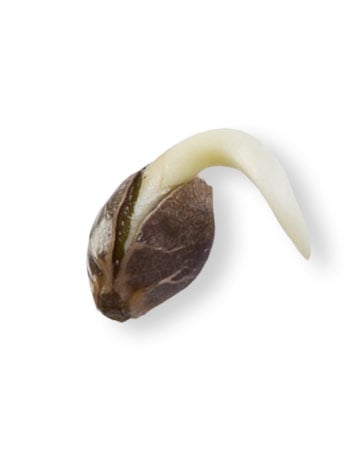
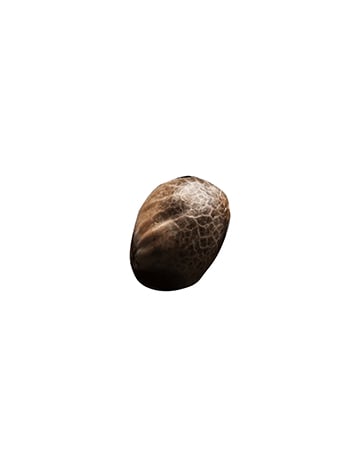
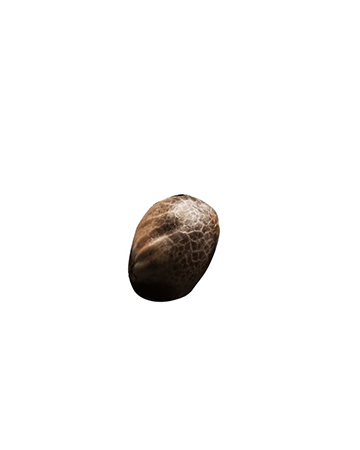
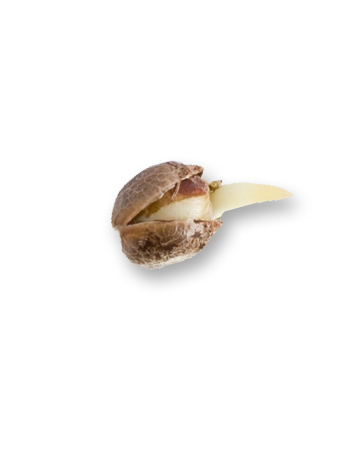
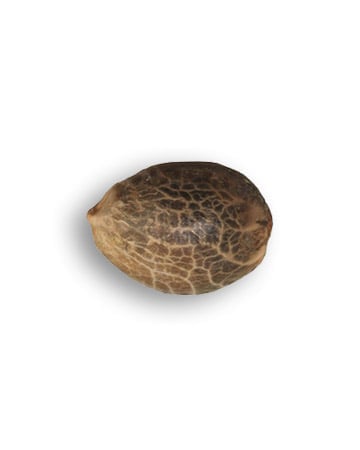
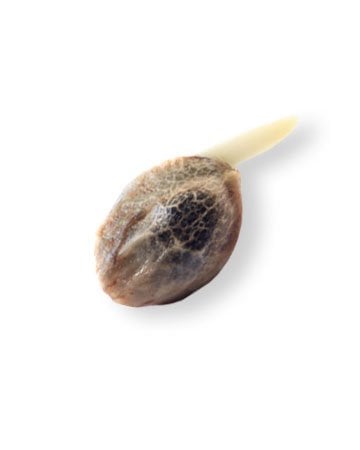
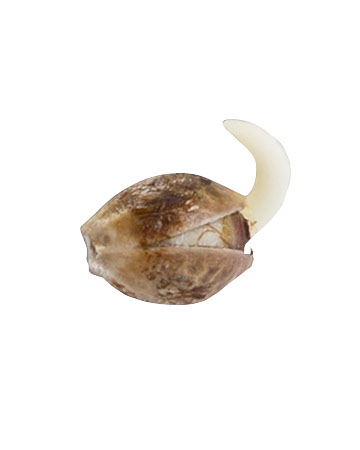
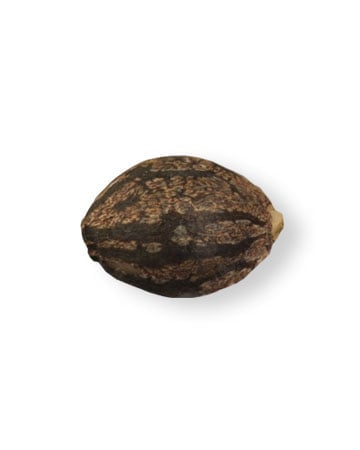
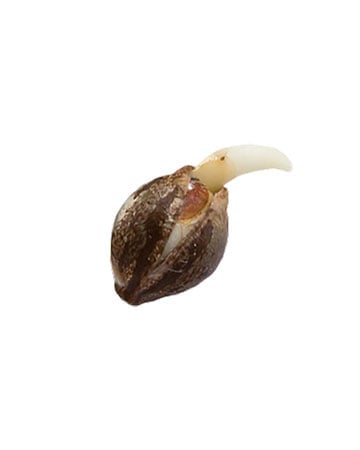
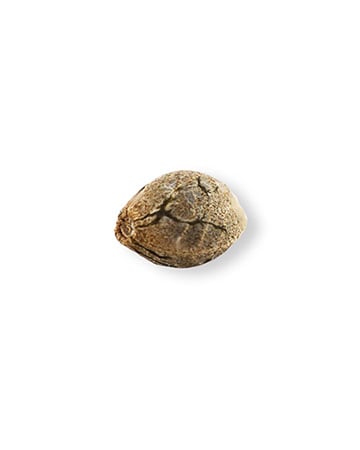
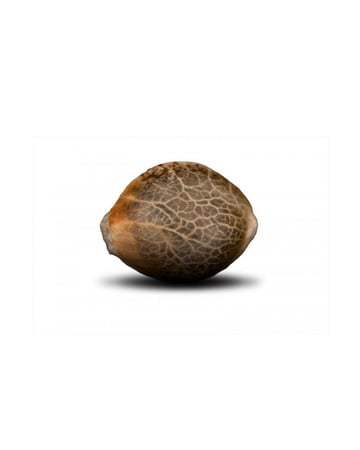
Skunk cannabis seeds are known for being one of the more forgiving options out there, which is a big reason they’ve stayed popular for so long. These cultivars tend to handle small mistakes without falling apart, making them a solid pick for newer growers and anyone who wants a low-maintenance run.
Most skunk plants do well in both indoor and outdoor setups. Indoors, they respond nicely to basic training techniques and usually stay manageable in height, especially on the indica-leaning side. Outdoors, they can really take off, putting out strong branches and filling out with dense bud sites when given enough space.
Flowering times are usually right in that middle range, so you’re not waiting forever to harvest. Yields are another strong point. Skunk genetics are known for producing consistent, above-average returns without needing overly complex setups.
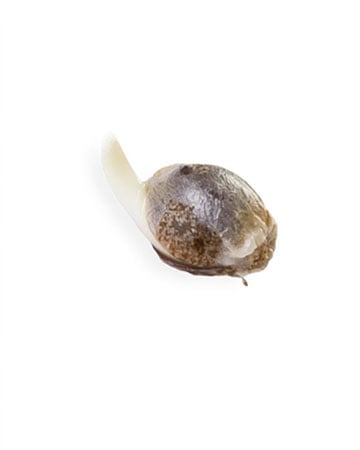
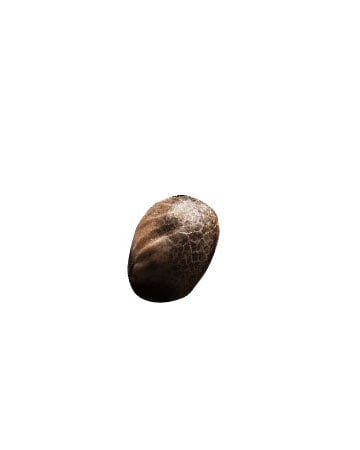
If you’re working with feminized or autoflower seeds, the process gets even more straightforward. Feminized seeds help you avoid dealing with male plants, and autoflower cultivars move into flowering on their own, which keeps things simple from start to finish. Add in their natural resilience and steady growth, and skunk cultivars are one of the more reliable options you can run.









 21% THCa