















Lemon Z
What happens when you merge millennium-era Las Vegas Lemon Skunk with 2010s fave Zkittlez? A modern cultivar that exudes crisp, citrus notes with a side of sativa glee. Lemon Z’s THC levels of 24% play off its cerebral vibes, creating a high that’s fast-moving and enthusiastic. Fans of this strain tend to describe the smoking experience as social, animated, and creatively charged. But beyond its cheerful vibes and knockout potency, there’s a clear indica thread that keeps the high calm and centered. Factor in this strain’s elegant look and approachable growing style, and it’s easy to see why growers who love whimsical, daytime hybrids consider Lemon Z a longtime staple.
-
 THC levels up to 24%
-
60% sativa 40% indica
-
Talkative, creative, giggly
-
Total time from flowering stage to harvest: 55–65 days
-
Growing experience level: Easy
 THC levels up to 24%

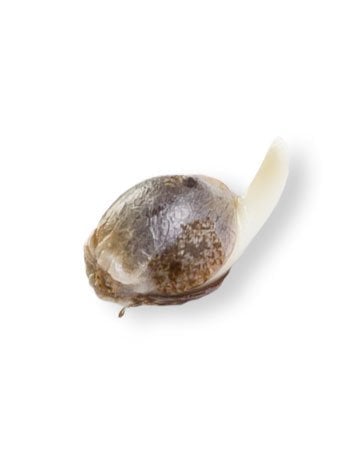

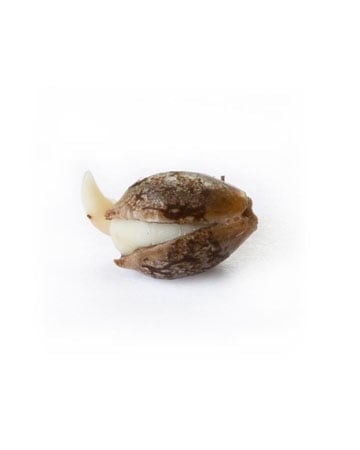
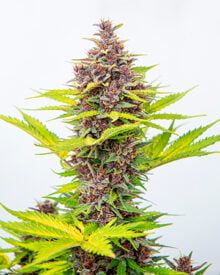

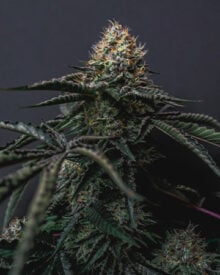
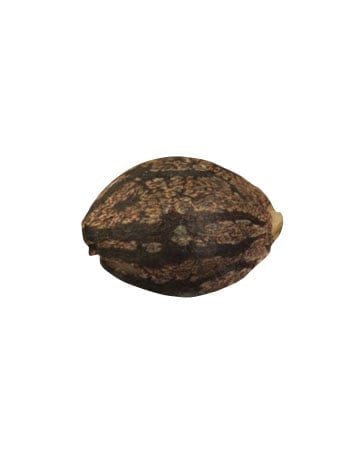
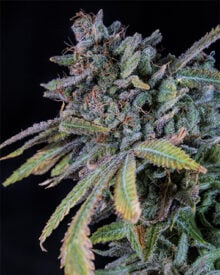
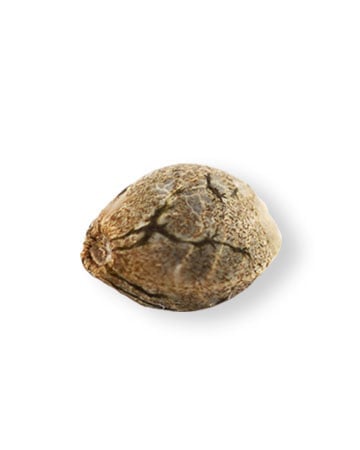
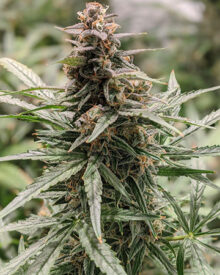
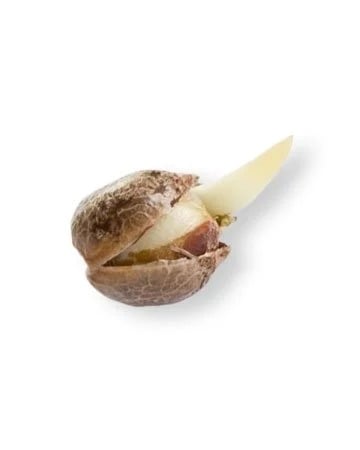
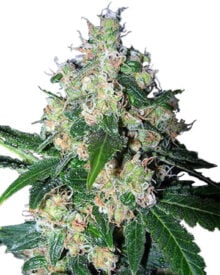
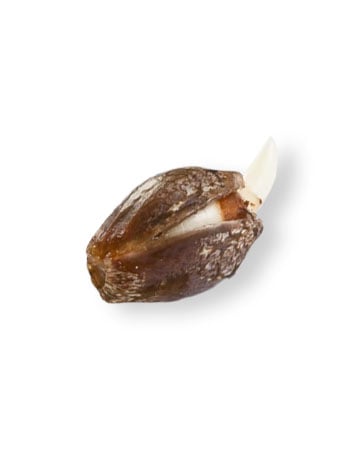

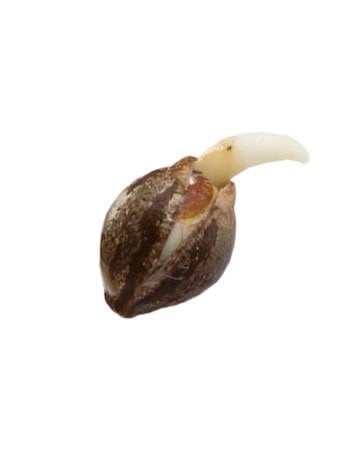
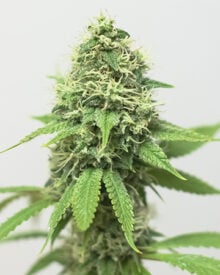
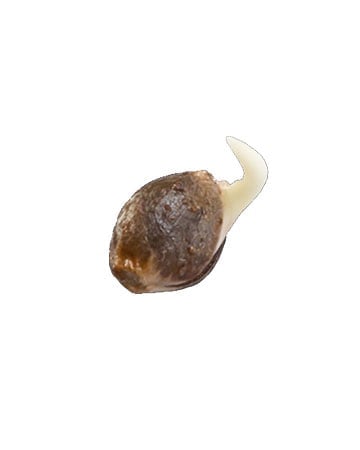
Lemon Z: Sticky Flowers and Sativa Glee
Looking for a strain that merges candyshop nostalgia with euphoric pep? This strain inherits its citrus aroma from Las Vegas Lemon Skunk and psychoactive intensity from Zkittlez. At 24% THC, its euphoric effects are difficult to ignore and build upon the overall sugar high vibe.
Lemon Z’s strong cannabinoid profile and light-hearted effects produce a smoking experience that feels layered and dynamic. Fans tend to describe the smoke as sweet, sprightly, and focused. They also share that at 40% indica, the high remains centered at its core. Talkative, playful, and mentally active, Lemon Z can be a good choice for low-key social settings or chatting with friends.
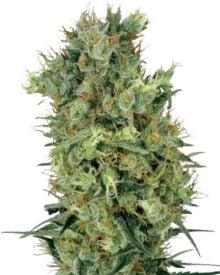
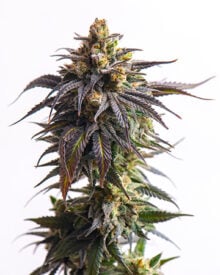
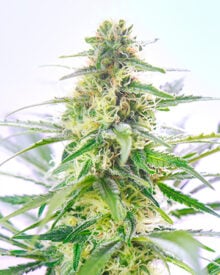
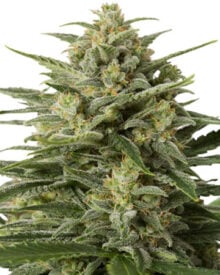
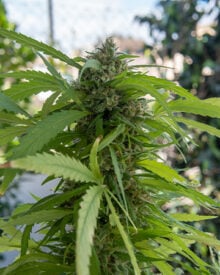
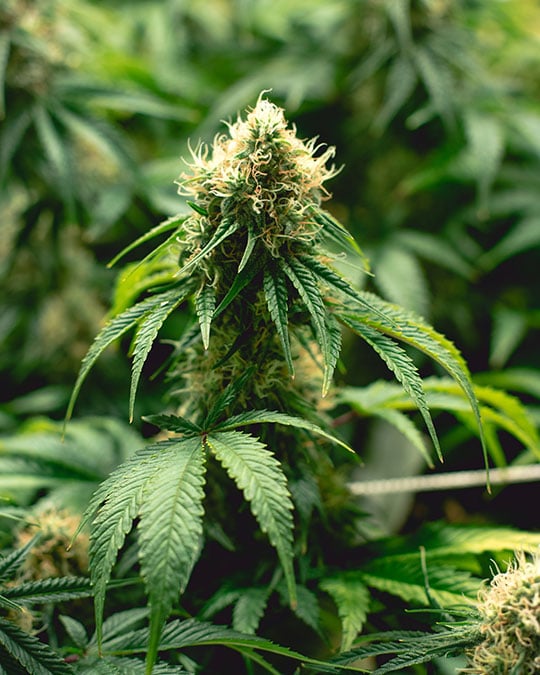
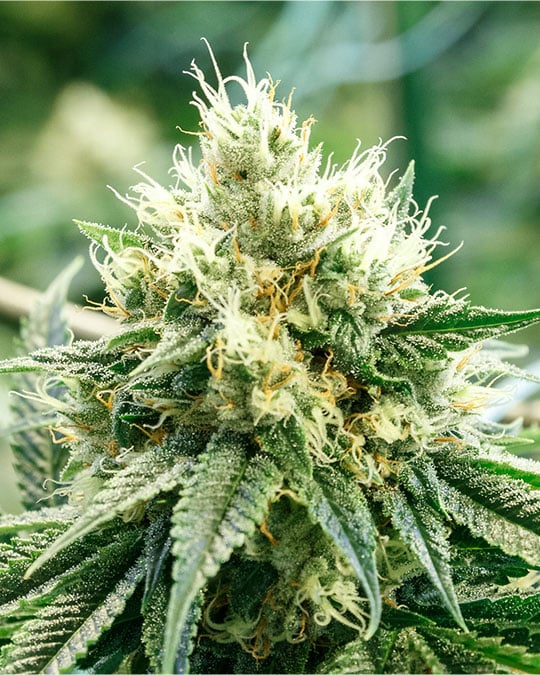
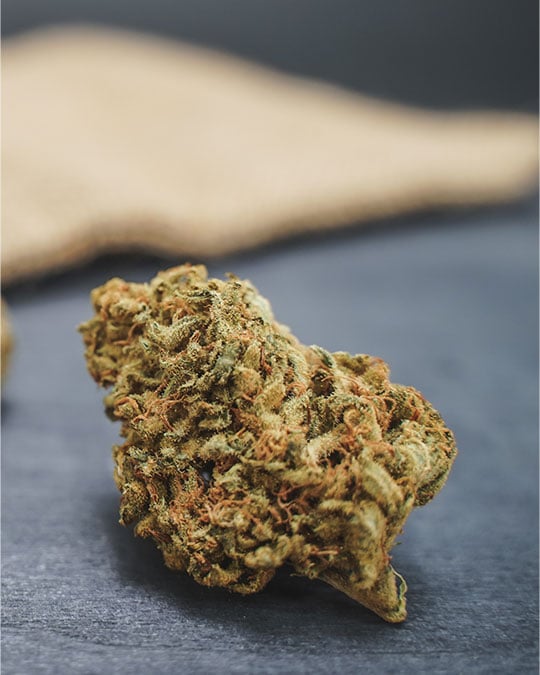
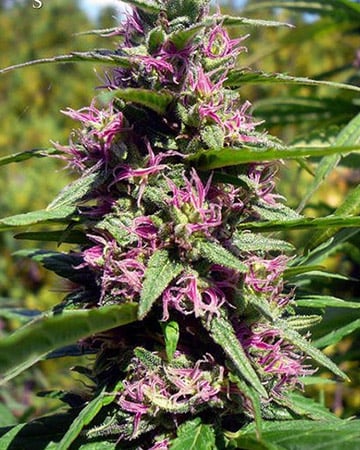
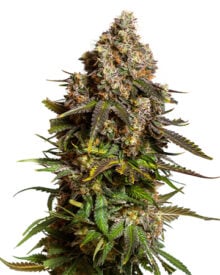
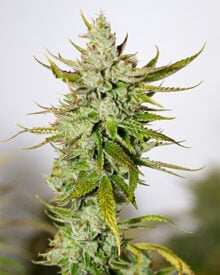
These effects aside, many growers like Lemon Z for its visual beauty. With appropriate care, the buds develop a thick coat of shimmering trichomes. The foliage itself typically takes on a deeper shade and has a subtle green glow. This mixture of dark and light tends to turn heads and add to bag appeal. Add all these factors up, and it’s easy to see Lemon Z seeds have developed such an enduring fanbase, especially among growers who like modern, sativa-rich picks.
Growing Tips for Our Seeds
Lemon Z is generally considered beginner-friendly thanks to its relatively prompt flowering window and adaptable structure. While this strain isn’t demanding, growers who maintain stable conditions throughout flowering are usually rewarded with a stronger terpene profile and a more intense high. If this is your first time growing your own cannabis plants, the following tips can help you boost your chances of success.
Dial In Your Growing Conditions
Protect Lemon Z’s best traits
One good rule of thumb to remember with Lemon Z: Less is more. This strain is well-known for its potent cannabinoid profile and enticing terpene profile. Your plants will typically develop their signature aroma and mind-bending intensity during the final weeks of flowering. Most growers will notice heavy resin coverage and a major spike in citrus notes during this stage. However, overdoing it in terms of heat or nutrient levels can actually reverse this meaningful progress.
Manage temperatures and nutrient levels
To help preserve your plants’ trademark aroma, make sure to avoid temperatures above 79 degrees Fahrenheit or 26 degrees Celsius. Overheating your plants can flatten their terpene profiles, resulting in an aroma profile that is a shadow of its former self.
Some growers also report that overloading their plants with bloom formula during the flowering stage can dilute terpene expression. Some newer growers may make the understandable assumption that heavier feedings could translate into bigger, more robust buds and may consider a slight hit in aromatic intensity to be an okay tradeoff. In fact, too much bloom formula can throw the plant out of balance, leading to weaker buds and reduced resin quality. This means growers have everything to gain by keeping nutrient levels at recommended levels.
Higher heat and quicker drying times during the curing process can also muddy your plants’ clean, lemon flavor. Lower temperatures may take a bit longer, but preserve more of your hard work and lead to buds that maintain their full potential.
Manage early stretch
Like many sativa-leaning hybrids, Lemon Z tends to grow upward quickly when it first hits the flowering stage. This early stretch is when the spacing between branches gets locked in, which can affect how evenly your plants fill out later on.
Light plays a big role in how quickly your Lemon Z plants shoot upward. If the light is too weak or too far away during this stage, the plant can stretch more than expected and end up with wider gaps between nodes. Tightening up light placement right at the start of the flower stage helps keep growth more controlled and organized.
Yields, Flowering Times, and Harvest
Lemon Z produces indoor yields of up to 600 grams per square meter. Outdoor growers can anticipate 750 grams of resinous bud, especially under ideal growing conditions. This strain’s flowering time usually lasts around 55–65 days, which is on the shorter side for a sativa-leaning strain.
Dominant Terpenes in Lemon Z
This strain’s dominant terpenes include limonene, caryophyllene, and linalool. Limonene gives Lemon Z much of its bright citrus pop. Caryophyllene introduces black pepper and clove, which can help balance out this strain’s sweeter notes. Linalool softens the sharper edges by adding a faint floral quality that blends naturally into the candy notes.
Together, these terpenes create a profile that moves between sour citrus, sugary fruit candy, and light skunk. Many growers report that properly cured flowers develop an even richer aroma that doesn’t fade, even after harvesting.
Dominant Cannabinoids in Lemon Z
At 24% THC, Lemon Z has psychoactive effects that register quickly, even in smaller amounts. Most users find that a puff or two is enough to fully appreciate this strain’s true euphoric intensity. These psychoactive effects are often described as lively, mentally stimulating, and highly social. Ideal for low-key evenings chatting with friends, this strain has a surreal, happy-go-lucky vibe and a jovial high.
Characteristics
Strain Genetics |
Las Vegas Lemon Skunk x Zkittlez |
|---|---|
Blend |
40% Indica, 60% Sativa |
Plant Sex |
Feminized |
Strain Type |
|
Flowering Time |
55-65 days |
Flowering Type |
Photoperiod |
THC Content |
24% |
CBD Level |
|
Effects |
|
Flavor |
Lemon, Sour, Sweet |
Indoor Yield |
Up to 600 g/m² |
Outdoor Yield |
Up to 750 g per plant |
Growing Difficulty |
|
Where to Grow |
|
Plant Height |
|
Seed Type |
|
Yield Levels |
High Yield |
FAQ for Lemon Z
How strong is Lemon Z?
When was Lemon Z created?
Does this strain have a strong aroma?
Is Lemon Z good for first-time growers?
How We’re Different From the Rest
From a 90% germination guarantee to real people on the phone, see how Growers Choice Seeds compares.
Reviews
Only logged in customers who have purchased this product may leave a review.
Showing 1-10 of 59

 25% THCa
Wedding Cake
Now$25.14
 26% THCa
![grow-cannabis-with-best-yield-results-Chernobyl-Feminized-Cannabis-Seed[1]](https://growerschoiceseeds.us/wp-content/uploads/2021/02/grow-cannabis-with-best-yield-results-Chernobyl-Feminized-Cannabis-Seed1.jpg "Buy Chernobyl")

Ichiro.X Verified Buyer
Dutch Passion developed Lemon Z from cup-winning Lemon Skunk genetics. The heritage is not incidental — it’s the specific origin of the limonene intensity and terpene complexity that distinguishes this from generic citrus options.
fincheats Verified Buyer
The caryophyllene component in the terpene profile is the element that grounds the predominantly limonene-dominated aromatics with a spicy-pepper depth. It prevents the citrus brightness from being uniformly light or sweet, adds the body-active CB2 component to the effects, and contributes to the anti-anxiety quality that makes Lemon Z specifically less likely to produce the over-stimulation risk that some pure limonene-sativa strains carry.
Boris.Y Verified Buyer
Grew this next to a simpler lemon-dominant strain for comparison. The Zkittlez candy-tropical dimension in Lemon Z was immediately absent in the comparison strain, and that absence made the full three-parent complexity of Lemon Z retroactively clear.
moosebites Verified Buyer
The Lemon Tree genetic contribution to Lemon Z is worth distinguishing from the Lemon Skunk contribution: Lemon Tree’s citrus character is clean and fresh rather than sour-gas-pungent. In the combined Lemon Z profile, Lemon Tree is the element that prevents the Lemon Skunk intensity from being harsh or overpowering. It provides the brightness that makes the sour-gas-citrus of Lemon Skunk more appealing and the candy-sweet of Zkittlez more grounded. It’s the integration element in the three-parent combination.
Ichiro_O Verified Buyer
What makes the three-register aromatic complexity of Lemon Z specifically rewarding on repeated encounter: the front-end fresh lemon arrives first and establishes the citrus identity; then the sour Lemon Skunk character asserts itself; then the candy-sweet Zkittlez finish arrives as the conclusion. Each encounter with the strain involves this sequence, which means the experience has a narrative arc that keeps it interesting rather than resolving into a single familiar impression.
slothgrabs Verified Buyer
Sativa-dominant premium citrus cultivar. Las Vegas Lemon Skunk award lineage + Zkittlez + Lemon Tree genetics. Limonene-forward terpene profile. Fresh-sour-sweet alternating aroma. Uplifting and creative effects. Beginner-friendly cultivation. XL yield.
SureshN Verified Buyer
This is the strain I recommend when someone wants something specifically good for daytime use without anxiety risk. The Zkittlez genetics moderate the pure Lemon Skunk sativa stimulation in a way that makes the uplifting effect enjoyable rather than edgy. The citrus aromatics are the bonus.
Katherine55H Verified Buyer
Dutch Passion cup-winner genetics. Three citrus parents: Lemon Skunk (sour-gas-citrus), Zkittlez (sweet candy-tropical), Lemon Tree (clean bright citrus). Combined: multi-register citrus terpene profile. Uplifting sativa effects with gentle indica body ease. 600-650g/m² indoor.
CodesWombat Verified Buyer
Comparing the indoor and outdoor runs of Lemon Z: the indoor run produced more consistent terpene expression; the outdoor run produced more vivid, more complex aromatics from the full sun exposure and natural temperature cycling. Both were excellent; the outdoor run was the most impressive Lemon Z session I’ve had.
Wei40S Verified Buyer
Opening the jar: immediate lemon brightness, then the sweet Zkittlez candy character emerges, then the tropical depth from the Lemon Tree genetics. Three distinct aromatic registers in sequence, each adding something the others don’t.