What Are Lemon Strains
Lemon cannabis strains are cultivars that carry a noticeable citrus-forward aroma and flavor, usually tied to high levels of limonene in their terpene profile. You’ll find these genetics either in strains with “lemon” in the name or in crosses that pull directly from lemon-heavy parents like Lemon Skunk.
What sets these cultivars apart is how consistent that citrus character can be across different lineages. Some lean sharp and sour, others come off sweeter with a candy-like edge, but they all trace back to terpene expression that pushes those bright, zesty notes to the front.
You’ll see lemon traits show up across sativa-dominant hybrids, balanced hybrids, and even some indica-leaning lines. That flexibility is part of why lemon cultivars keep showing up in breeding projects. They bring a recognizable flavor profile that holds up across different environments and grow styles.
The Origins of Lemon Cannabis Genetics
Most lemon-forward cultivars trace back to one place: Lemon Skunk. This strain came from carefully selected skunk phenotypes that stood out for their sharp citrus aroma. Breeders locked in that profile, and it became the backbone for a huge wave of lemon-heavy genetics that followed.
From there, things branched out fast. Super Lemon Haze took Lemon Skunk and crossed it with Super Silver Haze, creating one of the most recognizable citrus cultivars ever released. It kept that bright lemon edge but layered in haze influence, which made it a go-to for growers chasing bold terpene expression.
Lemon OG pushed things in a different direction. By combining Lemon Skunk with OG Kush lineage, it introduced that familiar citrus note into a heavier, more grounded profile. That opened the door for a ton of hybrid work, where breeders could blend lemon terpenes with kush, diesel, or haze genetics.
At this point, lemon traits show up across a wide range of cultivars. Even when “lemon” isn’t in the name, you’ll often find Lemon Skunk somewhere in the background, quietly shaping the flavor and aroma of modern cannabis seeds.
Why Lemon Strains Have Strong Citrus Aromas
That sharp lemon smell comes down to one main thing: limonene. This terpene shows up in citrus fruits and certain cannabis cultivars, and it’s what gives lemon strains that clean, zesty edge right when you open a jar or brush up against the plant.
Lemon-heavy cultivars tend to produce higher concentrations of limonene, especially when the genetics trace back to Lemon Skunk. Breeders have spent years selecting plants that push that citrus profile harder, so now it shows up consistently across a wide range of seeds.
It’s not just limonene doing all the work, though. Other terpenes like myrcene, caryophyllene, and pinene can layer in subtle notes underneath the citrus. That’s why some lemon strains lean sweet, others feel more sour, and some carry a bit of that classic skunk or fuel in the background.
Growing conditions can shift how strong those aromas come through. Light intensity, temperature, and airflow all play a role in terpene production. Dial things in right, and lemon cultivars will put out that bright citrus scent in a way that’s hard to miss.
Common Characteristics of Lemon Cannabis Cultivars
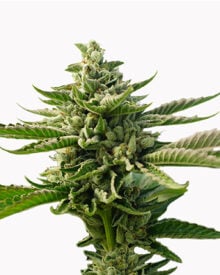
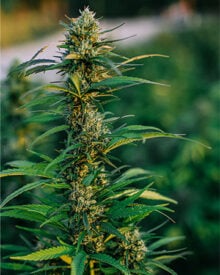
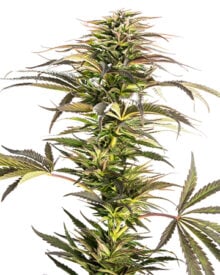
Lemon cannabis cultivars tend to share a few traits, even across different genetic lines. A lot of them lean sativa or sit in that balanced hybrid zone, which comes from how often lemon genetics get paired with haze or skunk backgrounds. That influence shows up in how the plants grow, with taller structures and longer branching compared to heavier indica types.
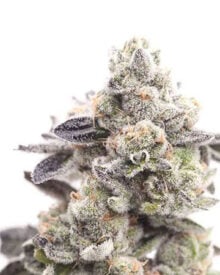
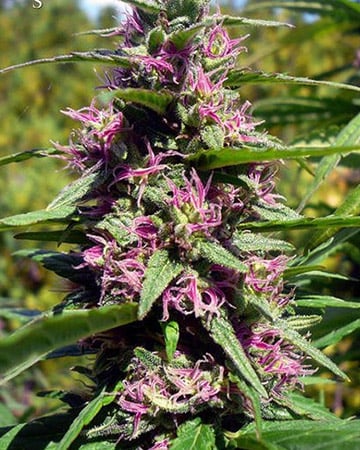
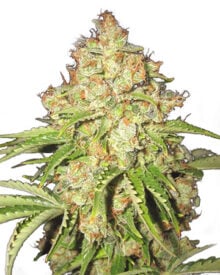
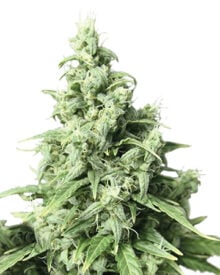
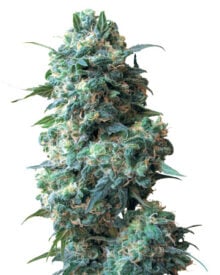
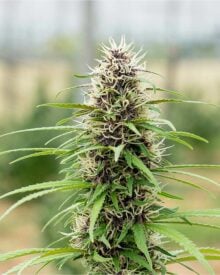
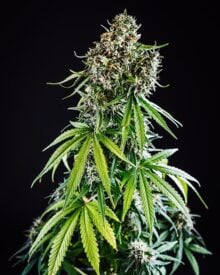
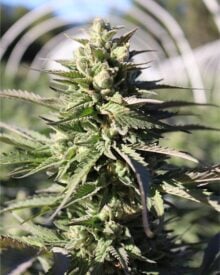
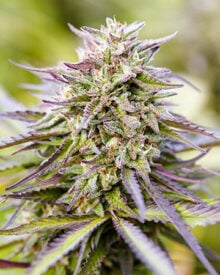
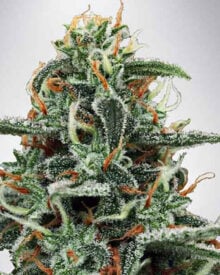
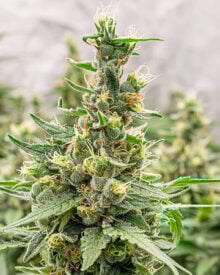
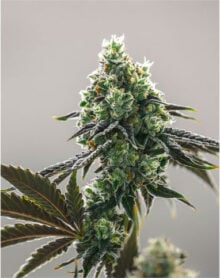
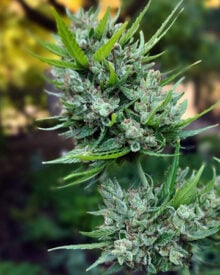
The buds are usually dense and coated in resin, especially in well-bred feminized seeds. You’ll often see bright green tones with orange pistils and a sticky finish that really holds onto those citrus terpenes. That resin production is a big part of why the aroma hits so strong during late flower.
In the grow, lemon cultivars tend to respond well to training techniques like topping or low-stress training. They can stretch during early flowering, so giving them space and managing canopy height makes a difference. Autoflower versions stay more compact but still carry that same terpene-forward profile.
Across the board, these cultivars are known for consistency in aroma and flavor. That’s why growers keep coming back to lemon genetics. You know what you’re getting, and it shows up clearly from early veg all the way through harvest.
Popular Lemon Cannabis Strains
Lemon cultivars show up in a lot of different forms, but a few names keep coming up again and again. These are the strains that helped define what people expect when they hear “lemon” in cannabis.
Lemon Skunk is the starting point for most of it. It set the tone with that sharp citrus mixed with classic skunk funk, and you can still spot its influence in a huge number of modern cultivars.
Super Lemon Haze took things further and brought lemon genetics into the spotlight. By blending Lemon Skunk with Super Silver Haze, it created a cultivar that’s all about bright citrus with a slightly sweet edge. It became one of the most recognizable lemon-heavy strains out there.
Lemon OG moved into kush territory, mixing lemon-forward terpenes with a heavier, more grounded profile. It’s a good example of how flexible lemon genetics can be when paired with different lineages.
Lemon Diesel adds a bit of bite, combining citrus with that fuel-like sharpness. Then you’ve got Lemon Kush, which leans more balanced, bringing together earthy notes with a smoother lemon flavor.
Once you start looking, lemon traits show up everywhere. Even cultivars without “lemon” in the name often carry that same citrus backbone, especially if Lemon Skunk is somewhere in the lineage.
Terpenes Found in Lemon Cannabis Strains
Lemon cultivars are built around terpene expression, and limonene sits right at the center of it. That’s the compound responsible for the clean, citrus-forward aroma you notice right away. In strong lemon strains, limonene doesn’t sit in the background. It leads the whole profile.
Myrcene often shows up alongside it, adding a softer, slightly herbal layer underneath the citrus. In some cultivars, this can round things out and keep the lemon from feeling too sharp. Caryophyllene brings in a bit of spice, giving certain lemon strains a subtle kick that balances out the brightness.
Pinene can also come into play, especially in haze-leaning genetics. That’s where you get a faint pine note mixed into the citrus, which adds a little more depth to the overall aroma.
What makes lemon cannabis strains interesting is how these terpenes stack together. You can have two cultivars that both lean heavy on limonene, but one comes off sweet and smooth, and the other hits sharp and sour. It all comes down to how those supporting terpenes show up alongside the citrus core.
Tips for Growing Lemon Cannabis Seeds
Lemon cultivars are pretty straightforward in the grow, but they do best when you give them a bit of attention to airflow and light. A lot of these genetics come from sativa-leaning backgrounds, so expect some stretch early in flower. Planning your canopy ahead of time helps keep things under control.
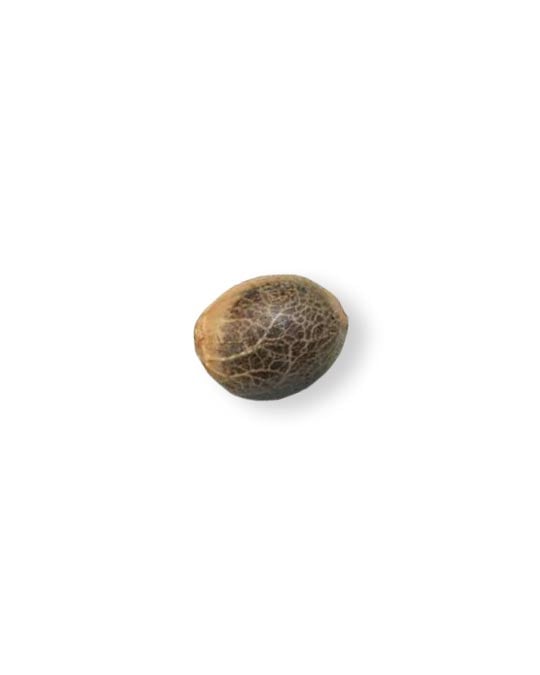
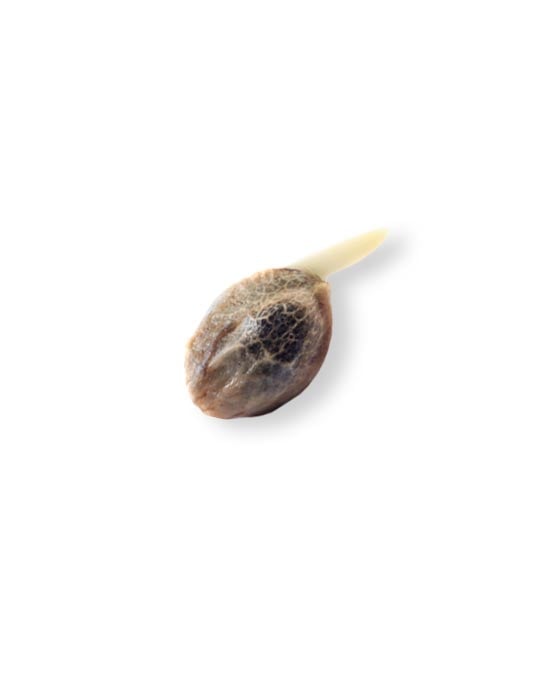
Feminized seeds are the go-to if you want consistency across your plants. They’ll give you uniform growth and make it easier to dial in your setup. Autoflower lemon cultivars are a solid option if you’re working with limited space or want a quicker turnaround. They stay more compact and move through their cycle faster, but still carry that citrus-forward terpene profile.
These plants tend to respond well to training. Topping, low-stress training, and opening up the canopy all help light reach more bud sites. That matters with lemon strains, since better light exposure can bring out stronger terpene expression late in flower.
Keeping humidity in check is key, especially as buds start to thicken up. Good airflow helps prevent moisture from getting trapped inside dense growth. Dial in your environment, and lemon cultivars will reward you with strong aroma, solid resin production, and a clean citrus finish at harvest.









 21% THCa












![grow-cannabis-with-best-yield-results-Lemon-Kush-Feminized-Cannabis-Seed[1]](https://www.growerschoiceseeds.us/wp-content/uploads/2021/07/grow-cannabis-with-best-yield-results-Lemon-Kush-Feminized-Cannabis-Seed1.jpg "Buy Lemon Kush")