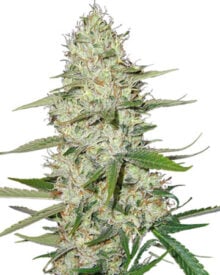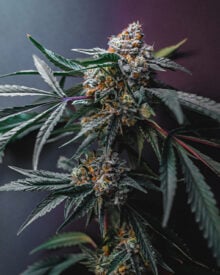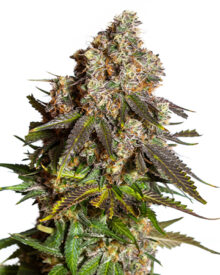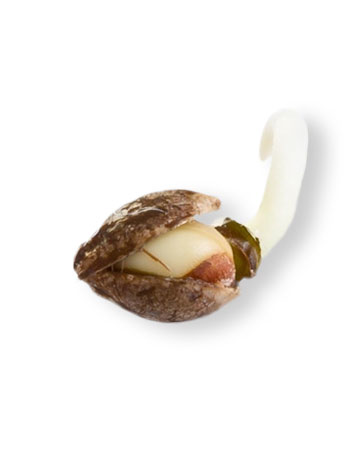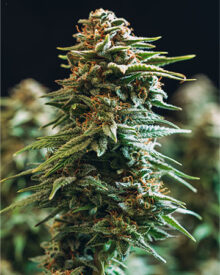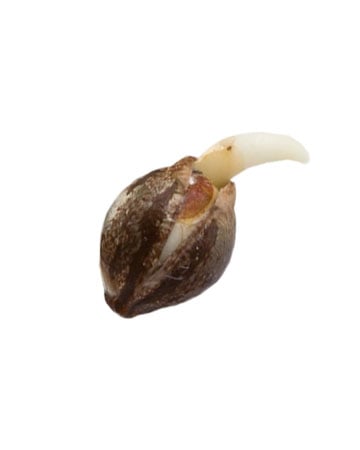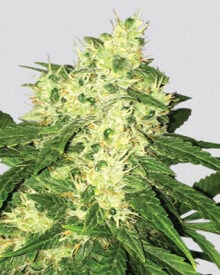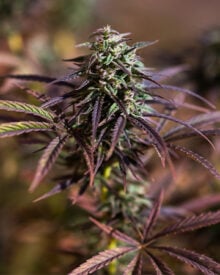








 21% THCa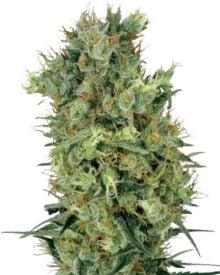

Growing Your Own Cannabis in Vermont: A Guide for Cultivators
Vermont’s community of cannabis connoisseurs received good news in 2018; the state passed a bill allowing growers to cultivate up to two mature plants within a single dwelling. Today, any one residence is permitted to have up to two mature plants and four immature ones.
While the state’s notoriously chilly winters do make for shorter growing seasons, a bit of know-how can help secure a robust harvest. Some growers opt to master indoor techniques, while others have found creative ways to work around the state’s intense winters. Whether you’re cultivating for recreational purposes or curious about the wellness benefits of cannabis, Vermont’s forward-thinking stance empowers locals to grow responsibly and in accordance with the law.
Source: Peter James Eisenhaure Unsplash
Cannabis Laws in Vermont
Adults 21 and older in Vermont are permitted to have up to six cannabis plants at their residence, although no more than two may be mature/flowering at any one time. Growers are also allowed to keep a limited amount of harvested bud on-site, so long as these yields are “screened from public view.”
We recommend that any aspiring growers review their local laws thoroughly before beginning the growing process.
Indoor Versus Outdoor Cultivation in Vermont
Cannabis enthusiasts have the option of growing indoors out outdoors, so long as their plants cannot be viewed by the public. This said, what’s the best setup for growers? The best choice will vary from one grower to the next, and ultimately hinge on each individual’s living space and preferences.
Outdoor Growing: A Seasonal Timeline
If your heart is set on outdoor growing, we recommend planning out a timeline before planting your seeds. While the specific strains you select will have their own unique flowering times, the following guide is an excellent jumping-off point. Depending on your specific cannabis plants, you can always adjust the timing as necessary!
Select strains suited to Vermont’s conditions; rapid-flowering varieties are often a good bet.
Enhance your growing space with nutrient-rich soil and compost.
While it’s important to finish the growing process before Vermont’s chillier weather sets in, it’s equally key to hold off on planting your seeds until after the last Frost. In Vermont, this typically occurs in early to mid-May. Given this tighter timeframe, it can be helpful to try faster-flowering strains.
Monitor your plant development during this timeframe, ensuring your crop has ample moisture and nutrients. Pruning superfluous foliage can help provide generous airflow and reduce humidity-related problems later on. It’s also a good rule of thumb to use fertilizers with a balanced NPK (nitrogen, phosphorus, potassium) ratio. This will help encourage robust growth. While every strain will have slightly unique needs, all of your seeds come with an in-depth product description outlining these details.
Harvest your crop before the first frost, typically during late September or early October.
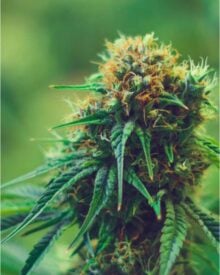
Seek out indicators such as brownish pistils (hairs) and cloudy trichomes as signs of ripeness.
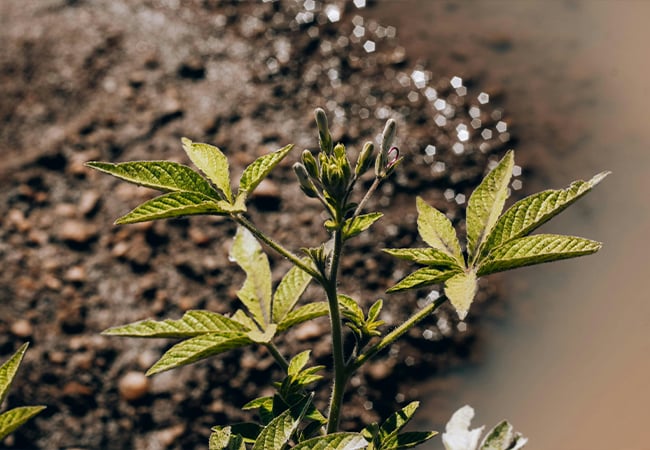
Photo by janilson furtado on Unsplash
Tips for Indoor Growers
For those cultivating indoors, there are a few different ways to ensure an ideal growing space. We recommend investing in LED grow lights for energy-efficient illumination. A good grow tent and dehumidifier are also valuable for controlling moisture and fending off mold.
Growing cannabis outdoors in Vermont presents unique challenges and opportunities. The state’s growing season typically runs from late May to October, with the first frost likely occurring in late September or early October. Vermont’s cool nights and warm summer days offer ideal conditions for high-quality cannabis, but growers must choose strains that can mature before the weather turns cold. Key considerations for outdoor cultivation in Vermont include choosing a growing spot that maximizes sun exposure, amending the often clay-heavy soil with organic matter to improve structure and fertility, protecting plants from frost using frost cloths or a small greenhouse, and managing humidity to prevent mold and mildew. For best results, growers should consider strains with high mold and cold resistance. Some recommend using autoflowering strains, which can allow for two harvests in a season.
Indoor Strains for Vermonters
Indoor growers tend to flock to legendary fave Northern Lights. This indica-dominant hybrid thrives in stable, consistent environments and is known for its lower-maintenance style and resilience. Its compact structure makes it perfect for smaller grow spaces, while its relaxing effects pair well with laid-back daytime activities.
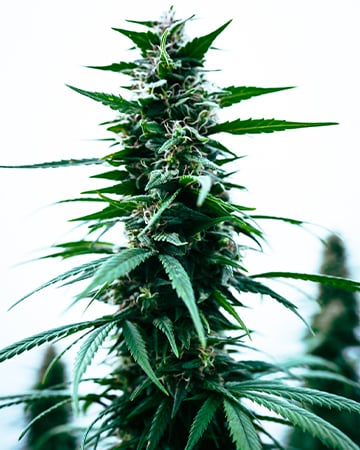
Durban Poison
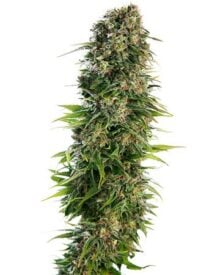
Durban Poison is a 100% pure Sativa strain of cannabis that originated in Durban, South Africa. Discovered by American cannabis activist Ed Rosenthal in the late 1970s. When Ed brought the strain back to the… Read more
- Sativa
- 100% Sativa
- 20% THC
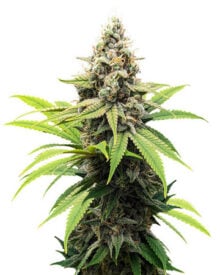
If you’re set on an intense sativa, Durban Poison is a fantastic option. This landrace strain hails from South Africa but adapts surprisingly well in Vermont. Its energetic effects and sweet, piney aroma combine to create one of the most legendary wake-and-bakes around.
Photo by Elsa Olofsson on Unsplash
Fan Faves for Vermonters
For those who favor classic, time-tested strains, Bruce Banner is a top contender. This hybrid has a relatively quick flowering time of 8-10 weeks, making it suitable for Vermont’s shorter growing season. It’s also known for its resilience against harsh weather.
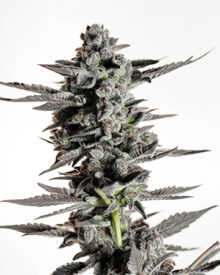
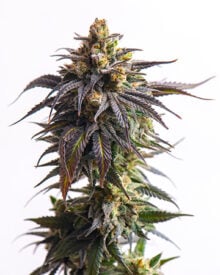
Vermonters craving a lower-maintenance grow are invited to try Qrazy Train Auto. Easy to manage, it’s suitable for complete newbies, but its autoflowering genetics provide a lightning-fast grow and a nimble flowering time of just 50-60 days.
This kind of efficiency isn’t just about instant gratification— it also helps Vermonters outrun an early winter frost. Combined with its resilience towards pests, mold, and environmental fluctuations, it’s clear why this strain is an excellent choice for hybrid-loving locals.
A Final Note
Cultivating your own cannabis in Vermont may seem daunting to newer cultivators, but even first-time growers can achieve success by following a few simple steps. Whether you’re growing indoors or out, there’s a strain that will suit your needs better than the rest. Enjoy the adventure of cultivating cannabis in Vermont!
Frequently Asked Questions
Which cannabis types thrive in Vermont’s environment?
Given Vermont’s harsh winters and brief growing season, outdoor growers typically find that fast-flowering, mold-resilient strains fare best. Indoor setups have their own unique benefits, including greater control over elements like temperature, humidity, and more. With a little up-front planning and care, a successful harvest is entirely possible both indoors and out.
Can novice growers successfully cultivate cannabis in Vermont?
There are many low-maintenance, beginner-friendly strains available within our seed library.
These picks tend to have a greater resistance to environmental stressors and tolerate newbie errors more easily. Specifically, they stand up to pests and disease against pests and diseases and can flourish across various setup types.
Which strains are most suitable for beginners?
Our seed selection includes several strains well-matched for Vermont newcomers. Blueberry Cheese (Blue Cheese) is famously easy to grow, with a short flowering time of 50-60 days. Grandaddy Black is another fine option, maturing in roughly two months and capable of yielding up to 28 ounces (800g) per plant.