









Chem Valley Kush
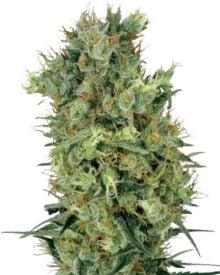
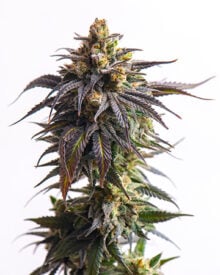
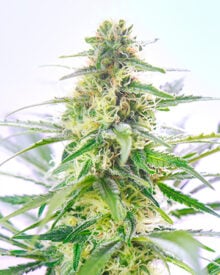
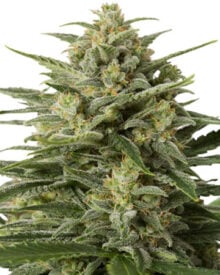
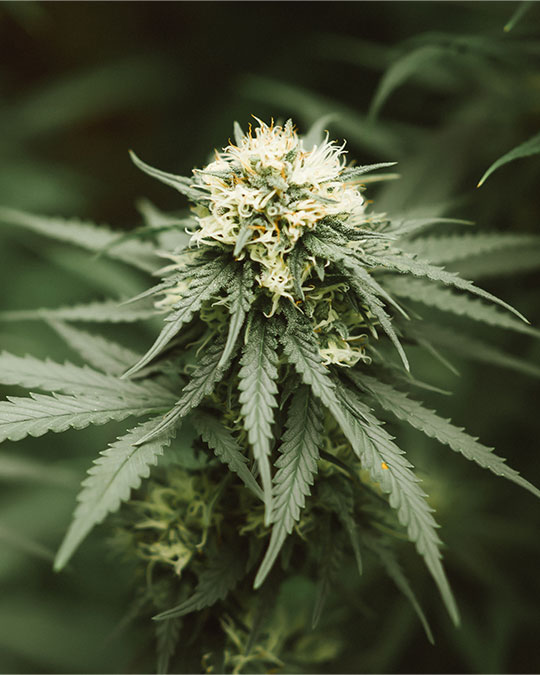
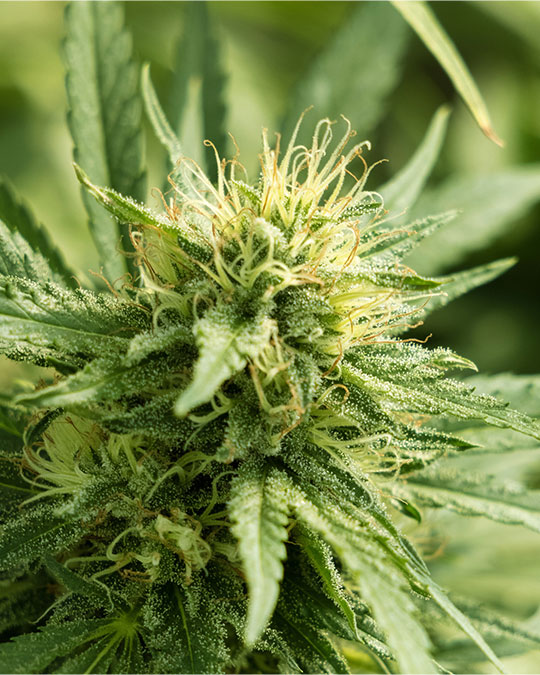
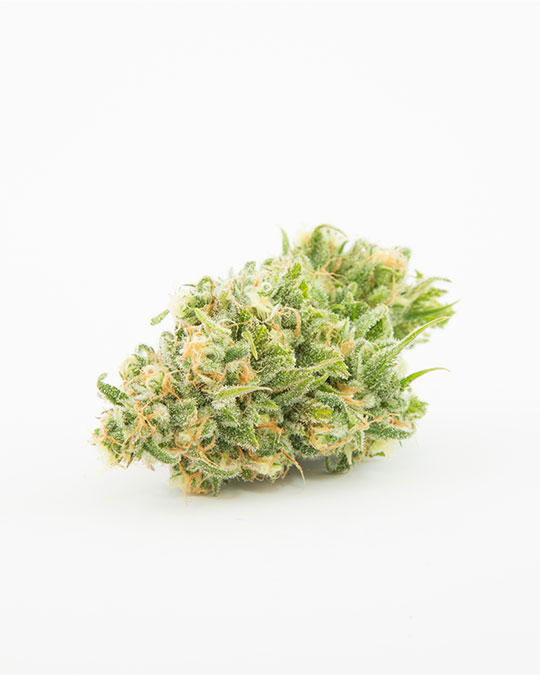
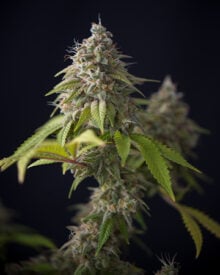
As the resultant cross of Chemdawg and SFV OG Kush, this strain produces a sedating body high. Its THC levels of up to 24% and indica-dominant nature merge to create a smoke that feels spacey, sleepy, and euphoric. This strain is also known for its resinous, trichome-coated buds, making Chem Valley Kush seeds a major hit with growers who prefer an intense, fuel-tinged smoke.
-
 THC levels up to 24%
-
60% indica 40% sativa
-
Heavy, spacey, sleepy
-
Total time from flowering stage to harvest: 60–70 days
-
Growing experience level: Intermediate
 THC levels up to 24%
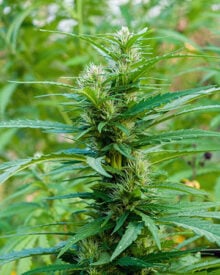
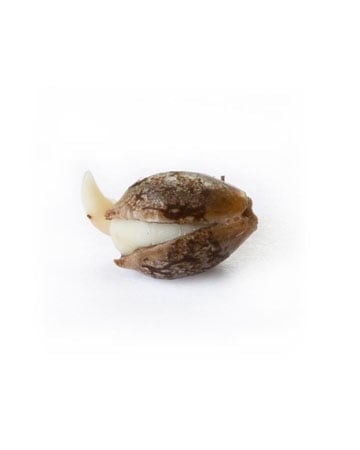
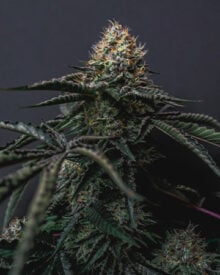
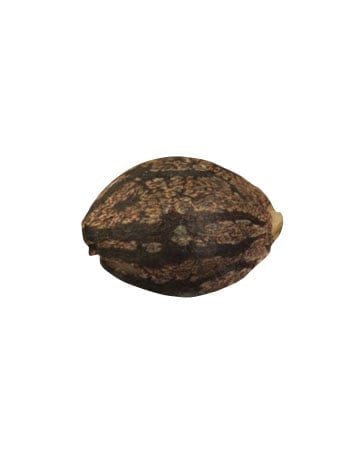
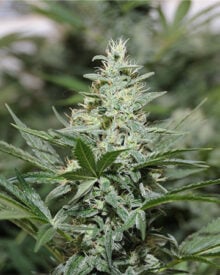
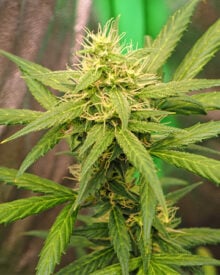
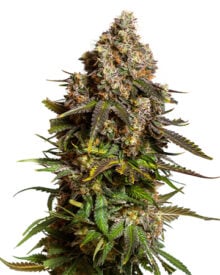
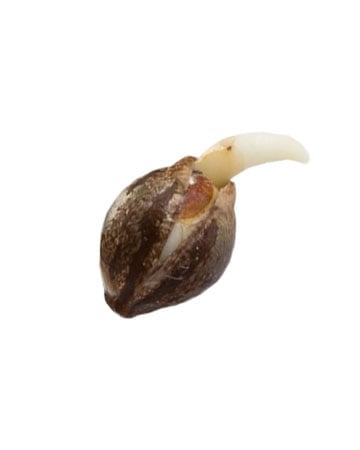
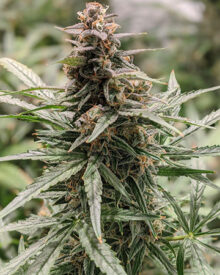
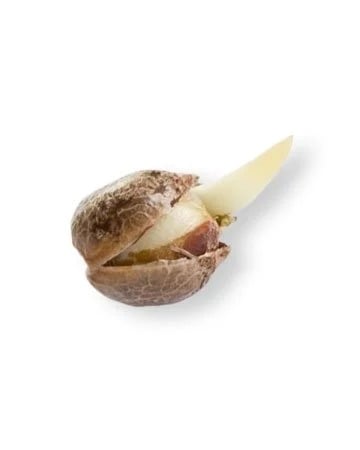
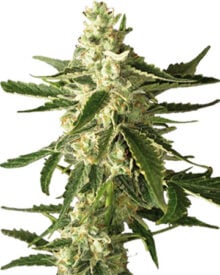
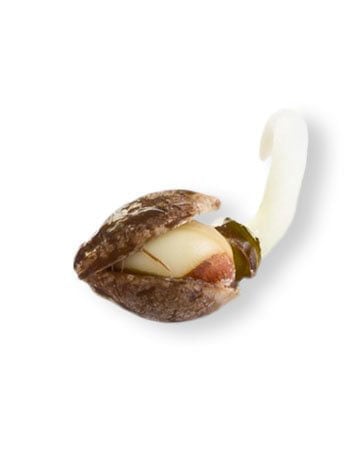
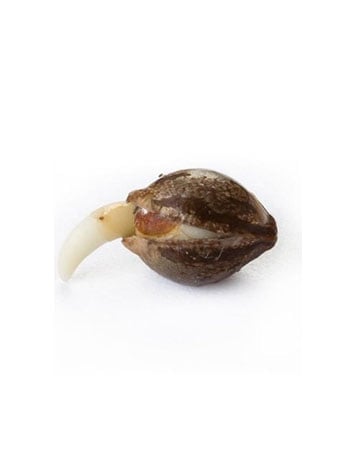
Chem Valley Kush: A sedating, resin-rich hybrid
Chem Valley Kush is an indica-leaning hybrid with THC levels up to 24% and a heavy, sedating high. Its effects tend to produce a spacey state of mind that builds steadily and has true staying power. The smoking experience is also shaped by a slowed-down perception of time and an easygoing state of mind.
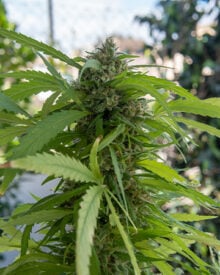
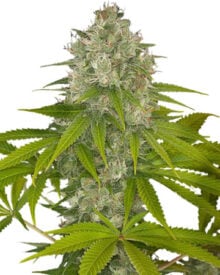
As the offspring of Chemdawg and SFV OG Kush, this strain develops tightly formed flowers and impressive amounts of resin. Its parent strains instil this cultivar with traits such as sharp, chemical intensity, and a weighty, grounding high.
It’s also praised for its dynamic, slightly unusual terpene profile. Chem Valley Kush’s aroma opens with diesel notes followed by bright hints of pine. As your plants develop, you’ll notice this fragrance grow sharper. Growers also appreciate this strain for its straightforward flowering time and manageable height, making Chem Valley Kush seeds a solid choice for both indoor and outdoor setups.
Growing Tips for Our Seeds
Chem Valley Kush is straightforward to manage, but its dense flower structure requires attention as it enters late bloom. Most of its needs come from preparation rather than correction.
Try full-spectrum LED lighting
Chem Valley Kush responds best to full-spectrum LED lighting, as they provide steady, intense light without producing excess heat. Beginners will also find that LEDs are more forgiving than HID (high-intensity discharge) setups because they help maintain even light distribution across this plant’s dense indica growth patterns.
Try Medium-Sized Pots
This strain performs well in containers that allow steady root expansion without frequent transplanting. Medium to large pots (3-5 gallons) can help prevent your plants’ roots from eventually running out of space. When this occurs, the roots hey can attempt to escape using drain holes, or even grow upwards through the soil and over the lip of the pot itself. This can slow your crop’s growth. Fabric pots are especially useful because they improve oxygen flow to the root zone and reduce the risk of overwatering.
Keep Training Minimal
Chem Valley Kush does not require heavy training to perform well. If any pruning is required, it will typically be small, early adjustments. Chem Valley Kush naturally develops a compact form, so the goal is to gently guide its structure early on instead of making repeat adjustments throughout the entire growing cycle.
Yields, Flowering Times, and Harvest
Chem Valley Kush produces indoor yields of up to 500 grams per square meter. Outdoor plants can reach up to 700 grams per plant under stable conditions. Flowering time typically lasts 60–70 days.
Dominant Terpenes in Chem Valley Kush
This strain’s dominant terpenes include caryophyllene, limonene, and pinene. Caryophyllene reinforces Chem Valley Kush’s sharp, pepper base. Limonene contributes a brighter citrus lift that amplifies this strain’s diesel edge. Pinene completes the trio, adding a dash of dry spice and herbal notes. Together, these terpenes compose a scent that’s both chemical and botanical.
Dominant Cannabinoids in Chem Valley Kush
At 24% THC, Chem Valley Kush produces a strong, sedating psychoactive effect centered on physical heaviness and mental slowdown. Its potency builds steadily and tends to hold once established, creating a long-lasting state of relaxation. Higher exposure deepens its spacey, immobilizing quality and reinforces its suitability for end-of-day use.
Characteristics
Strain Genetics |
Chemdawg x SFV OG Kush |
|---|---|
Blend |
40% Sativa, 60% Indica |
Plant Sex |
Feminized |
Strain Type |
|
Flowering Time |
60-70 days |
Flowering Type |
Photoperiod |
THC Content |
24% |
CBD Level |
|
Effects |
Sleepy, Heavy, Spacey |
Flavor |
Chemical, Diesel, Pine |
Indoor Yield |
Up to 500 g/m² |
Outdoor Yield |
Up to 700 g per plant |
Growing Difficulty |
|
Where to Grow |
|
Plant Height |
|
Seed Type |
|
Yield Levels |
Moderate Yield |
FAQ for Chem Valley Kush
What kind of effects does Chem Valley Kush tend to produce for most users?
How strong is Chem Valley Kush compared to other indica hybrids?
Does Chem Valley Kush lean more toward indoor or outdoor growing conditions?
What makes Chem Valley Kush stand out?
How We’re Different From the Rest
From a 90% germination guarantee to real people on the phone, see how Growers Choice Seeds compares.
Reviews
Only logged in customers who have purchased this product may leave a review.
Showing 1-10 of 98

 25% THCa
Wedding Cake
Now$25.14
 26% THCa
![grow-cannabis-with-best-yield-results-Chernobyl-Feminized-Cannabis-Seed[1]](https://growerschoiceseeds.us/wp-content/uploads/2021/02/grow-cannabis-with-best-yield-results-Chernobyl-Feminized-Cannabis-Seed1.jpg "Buy Chernobyl")

annah91 Verified Buyer
The pheno variation in a CVK seed run is interesting to watch. I’ve run two five-seed batches and both produced a range — some plants more diesel-forward and branchy, some more citrus-forward and slightly more compact. The diesel-branchy phenotype yields higher and takes three to four days longer. The citrus-compact phenotype is easier to manage and still produces excellent quality. I’ve learned to identify the differences early in veg and adjust training accordingly.
ShirleyP53 Verified Buyer
The outdoor height is the most important thing to plan for when taking this outside. Two meters plus, sometimes well beyond that in ideal conditions, on a branchy sativa-dominant plant. I grew in a large container specifically to control root volume and limit some of the vertical ambition. It worked partially — the plant still reached about 190 centimeters and produced a yield that justified the container size. The harvest in early October was one of the better outdoor runs I’ve had.
Zoey_Q Verified Buyer
Humidity differential measurement between canopy and pot level across three CVK runs: average 6.4 percentage points higher at pot level when running single fan configuration. Adding secondary fan aimed at lower canopy reduced differential to 2.1 percentage points. The reduction materially decreased substrate moisture at the base and prevented the elevated humidity conditions that can develop at pot level with dense branchy genetics in late flower.
James_Z Verified Buyer
Topped at node five. LST through veg. SCROG at flip. Day 70 harvest. Yield: 528g/m². The documentation is accurate. Follow it.
nikolai_t Verified Buyer
The genetics produce what they produce. My job was to not get in the way of that, manage the height, manage the odor, and harvest at the right time. When I did those things correctly, the results were excellent.
patricki23 Verified Buyer
Week seven, I upgraded my carbon filter. I should have done it at setup. The odor from this genetics requires real filtration infrastructure. Plan for it before you smell it.
Mason38D Verified Buyer
The cured flower has a complexity that the fresh-cut flower doesn’t fully express. The diesel and lemon integrate into something more layered at three weeks. This is consistent across runs and worth the wait.
BettyE40 Verified Buyer
The height issue indoors is one topping and one SCROG away from being solved. Not a barrier, just a requirement. Know it going in.
sandra_c Verified Buyer
LST and Chem Valley Kush are a natural pairing. The thick stems that could hold the plant upright without training also hold their position when bent and tied — no rubber-band creep back, no gradual resumption of vertical growth. Once positioned, the branch stays positioned, which makes the ongoing LST management less time-intensive than with more flexible or resilient-to-bending genetics.
toucancodes Verified Buyer
Branching architecture assessment: CVK lateral branching extends 30-45cm per primary branch at maturity, significantly wider than comparable OG or Kush varieties. This lateral spread creates a wider bud site distribution per plant, increasing the total bud site count without proportional increase in plant height. For SCROG specifically, wider branching fills net more efficiently than taller, narrower plants. Net fill advantage over a narrower-branching strain in the same tent: approximately 22% faster.