Why Certain Cannabis Strains May Influence Appetite
Certain cannabis strains for appetite stimulation are often associated with the body’s natural hunger signals through their cannabinoid content. THC, one of the primary cannabinoids found in many cannabis cultivars, interacts with the endocannabinoid system, which plays a role in appetite regulation.
When THC interacts with CB1 receptors located in the brain and nervous system, it can influence how the body perceives hunger. These receptors are closely connected with the hypothalamus, a region of the brain involved in regulating appetite and energy balance. When cannabinoids interact with this system, some people report an increased interest in food or heightened awareness of hunger signals.
This interaction between cannabinoids and the endocannabinoid system helps explain why certain cannabis cultivars are often linked to appetite stimulation. Cultivars with higher THC levels are commonly associated with the well-known “munchies,” though the overall experience can vary depending on the plant’s genetics, terpene profile, and cannabinoid composition.
Common Characteristics of Cannabis Strains Associated With Appetite
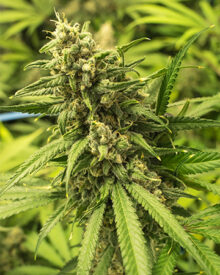
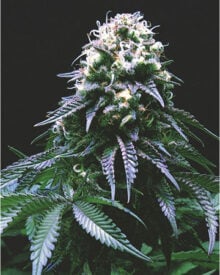
Cannabis strains for appetite stimulation often share certain characteristics related to their cannabinoid and terpene profiles. Many cultivars associated with increased hunger contain higher levels of THC, a cannabinoid frequently linked to stronger overall cannabis effects and the familiar munchies experience.
The cannabinoid profile of a cannabis cultivar plays a major role in how the plant is perceived. THC-rich cannabis strains are often described as potent, and these cultivars are commonly selected by growers and consumers who are interested in strong sensory experiences that may include appetite stimulation.
Terpenes are another defining trait in many cannabis strains associated with hunger. These aromatic compounds influence the aroma and flavor of cannabis flowers, contributing earthy, citrus, spicy, or herbal notes depending on the cultivar’s genetics. Terpene profiles vary widely across cannabis plants and help create the distinctive characteristics that make each cultivar unique.
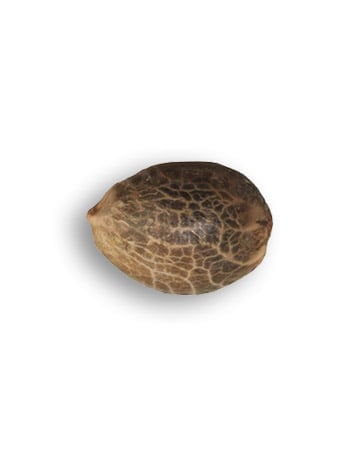
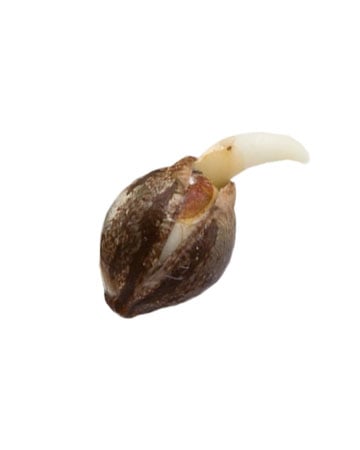
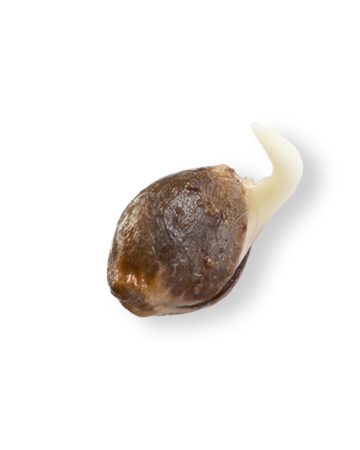
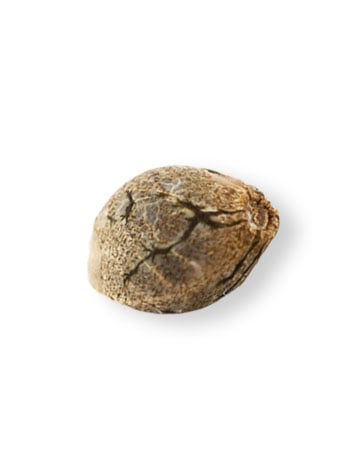
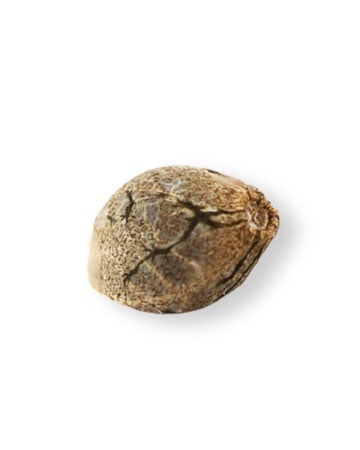
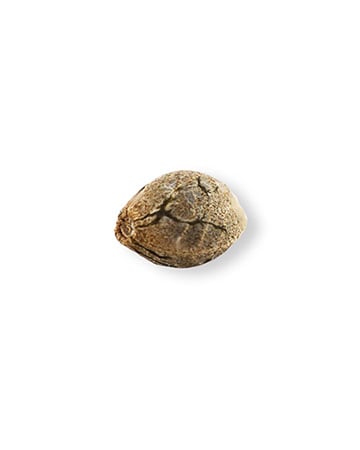
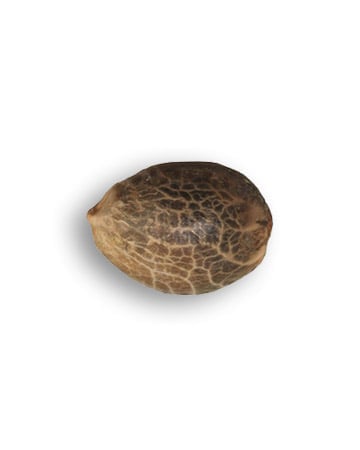
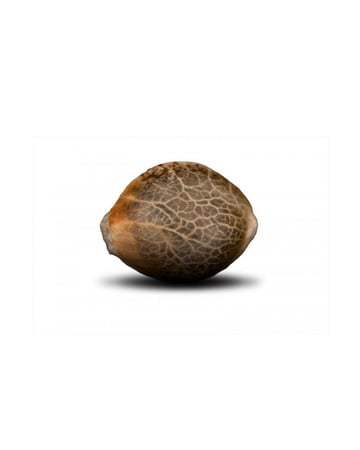
Genetics ultimately determine the traits found in each cannabis plant. When growers choose cannabis seeds, they are selecting specific cultivars that carry particular cannabinoid profiles, terpene expressions, and plant characteristics that develop throughout the flowering stage.
Popular Cannabis Strains Often Associated With Appetite Stimulation
Several well-known cannabis cultivars are frequently mentioned in discussions about appetite stimulation. These strains are recognized for THC-rich genetics, distinct terpene profiles, and long-standing popularity within the cannabis community.
OG Kush is a classic hybrid cannabis strain known for its strong aroma and influential genetics. Many modern cultivars trace lineage back to OG Kush, making it one of the most recognizable cannabis strains in the industry.
Girl Scout Cookies (GSC) developed from OG Kush lineage and quickly became one of the most widely known hybrid cultivars. Its genetics helped shape numerous modern cannabis strains and remain a common reference point in cannabis breeding.
Sour Diesel is another widely recognized cannabis cultivar known for its pungent aroma and energizing reputation. Its distinctive diesel-like scent comes from a unique terpene profile that has made it a long-standing favorite among cannabis enthusiasts.
Blue Dream is often described as a balanced hybrid cultivar that combines characteristics from its parent genetics. Its popularity has remained consistent for years, making it a familiar name among growers and consumers.
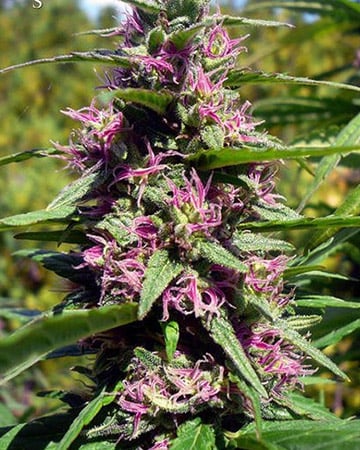
Granddaddy Purple is a well-known indica cannabis cultivar recognized for its distinctive purple coloration and strong lineage. It has played a major role in shaping many modern indica genetics.
Indica vs Hybrid Cannabis Strains for Appetite Stimulation
Cannabis strains are commonly classified as indica, sativa, or hybrid based on their genetic background and plant characteristics. When exploring cannabis strains for appetite stimulation, many cultivars fall into either indica or hybrid categories.
Indica cannabis cultivars are often associated with relaxing plant traits and dense flower development. These strains have historically been popular among growers who prefer compact plants and shorter flowering periods, making them suitable for many indoor cultivation environments.
Hybrid cannabis strains combine genetics from multiple parent plants, creating cultivars that express a mix of characteristics. Breeders often develop hybrids to combine desirable traits such as growth structure, cannabinoid profiles, and terpene expression.
Both indica and hybrid cultivars can be associated with appetite stimulation depending on their cannabinoid composition and overall genetics. When selecting cannabis seeds, growers often focus on the specific cultivar’s cannabinoid and terpene profile rather than relying solely on indica or hybrid classification.
Terpenes Commonly Found in Cannabis Strains Associated With Appetite
Terpenes are aromatic compounds produced by cannabis plants that contribute to the aroma and flavor of different cultivars. These compounds are responsible for the distinctive scent profiles found in cannabis flowers, ranging from earthy and herbal notes to citrus or spicy aromas.
Myrcene is one of the most common terpenes found in cannabis plants. It is often associated with earthy, musky aromas and appears frequently in many well-known cannabis cultivars.
Limonene is another widely recognized terpene that contributes bright citrus aromas to cannabis flowers. Cultivars with noticeable limonene content often carry lemon or orange scent characteristics that stand out during flowering.
Caryophyllene is a terpene known for its spicy and peppery aroma profile. This compound appears in a wide variety of cannabis cultivars and contributes to the complex aroma profiles that develop as cannabis plants mature.
Terpene profiles vary from cultivar to cultivar and are shaped by cannabis genetics and cultivation conditions. Together with cannabinoids such as THC, these aromatic compounds help create the unique characteristics associated with different cannabis strains for appetite stimulation.
Growing Cannabis Strains Known for Appetite-Associated Characteristics
Growing cannabis strains for appetite stimulation begins with selecting the right cannabis seeds and genetics. Many cultivars associated with appetite-related traits are THC-rich plants that develop dense flowers and strong terpene expression during the flowering stage.
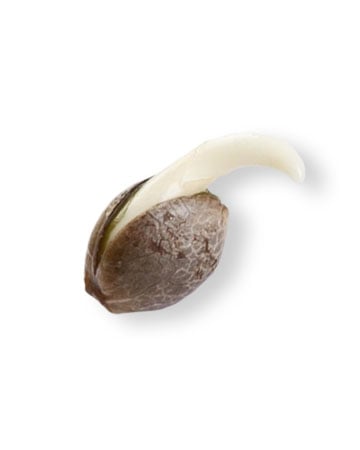
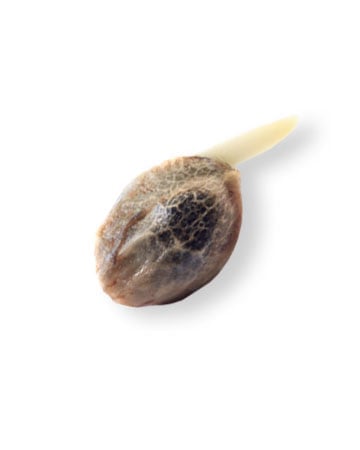
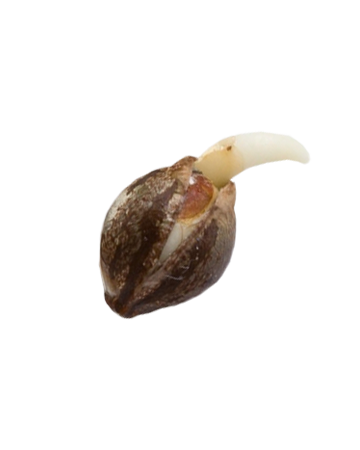
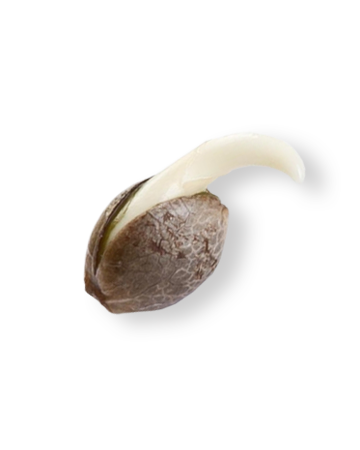
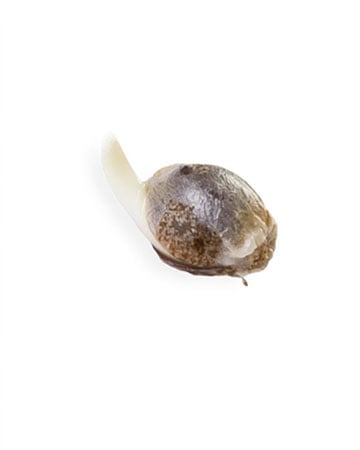
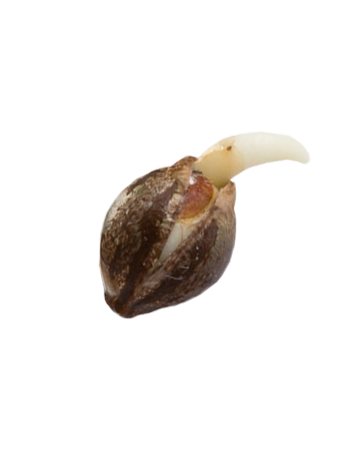
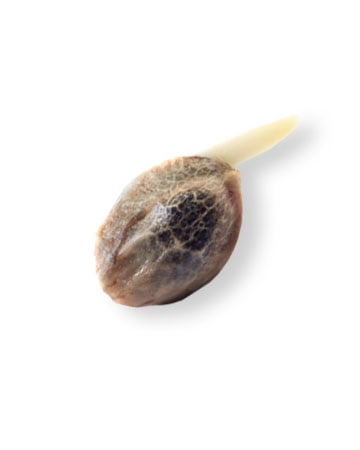
Cannabis seeds germinate into plants that require consistent light, water, nutrients, and proper environmental conditions. Indoor cultivation allows growers to control temperature, humidity, and lighting schedules, which can help maintain stable plant development throughout the growth cycle. Outdoor cultivation can also produce strong cannabis plants when the environment provides adequate sunlight and airflow.
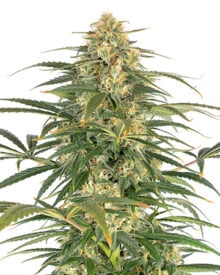
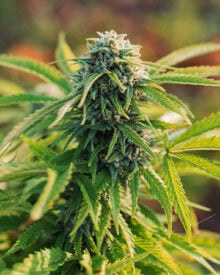
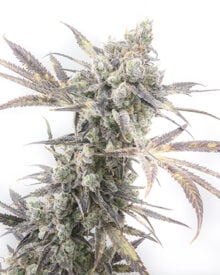
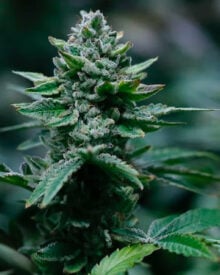
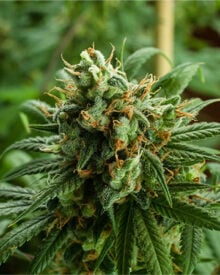
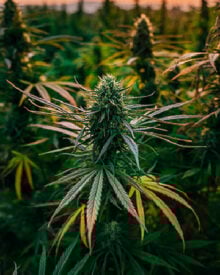
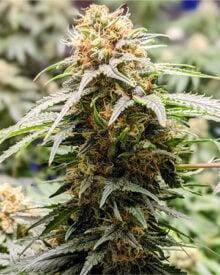
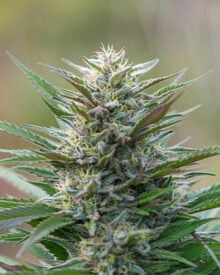
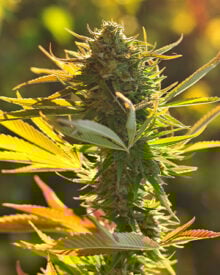
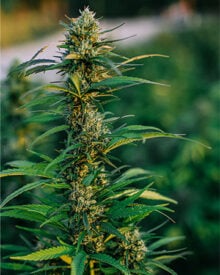
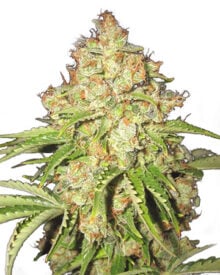
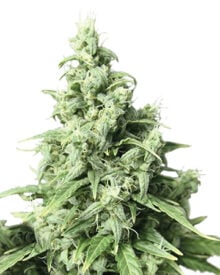
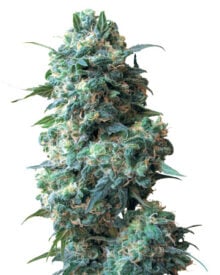
As cannabis plants enter the flowering stage, buds begin to develop and cannabinoid production increases. This stage is when terpene profiles become more pronounced, giving each cultivar its distinctive aroma and flavor characteristics.
Plant genetics play a central role in determining how cannabis cultivars grow. The structure of the plant, flowering time, and overall characteristics of the harvested flowers are influenced by the cannabis seeds selected at the start of the cultivation process.
Responsible Use and Educational Information
Information about cannabis strains for appetite stimulation is intended for educational purposes related to cannabis cultivation and plant genetics. Cannabis cultivars vary widely in cannabinoid content, terpene profiles, and plant characteristics, which means individual experiences can differ from one cultivar to another.
Cannabis laws and regulations vary by country, state, and local jurisdiction. Anyone interested in cannabis seeds or cultivation should review the regulations that apply in their area before purchasing seeds or growing cannabis plants.
Cannabis seed banks often provide educational resources about cultivation, genetics, and plant characteristics. Responsible cannabis use begins with understanding local regulations and making informed decisions about cultivation and consumption.









 21% THCa