Why Grow Cannabis Outdoors
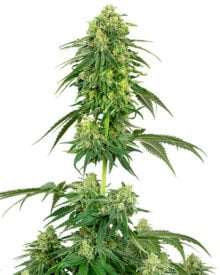
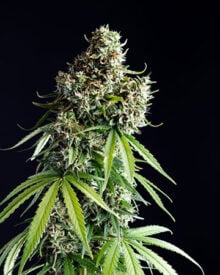
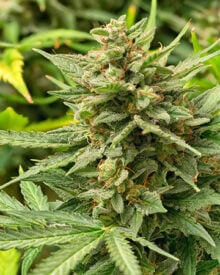
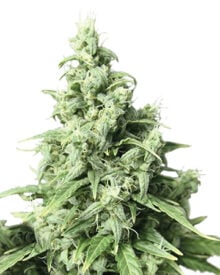
Growing cannabis outdoors is the closest thing to letting the plant do what it was built to do. You’re working with real sunlight, natural airflow, and a full day night cycle that can help cultivars stretch into bigger, more established plants than they usually get indoors. For a lot of growers, that means fewer moving parts. No dialing in a tent, no fighting a cramped footprint, and no stacking up gear just to hit decent results.
Outdoor grows can be a good fit if you want scale without the electric bill. Sunlight is free, and when you give roots room in the ground or a big container, plants can take off. The tradeoff is you’re sharing control with the weather. Heat waves, heavy rain, humidity spikes, and pests are part of the deal, so genetics matter a lot here. Outdoor friendly cultivars that handle stress and finish on time can save you a ton of headaches, especially if your fall weather gets sketchy.
Climate Considerations for Outdoor Growing
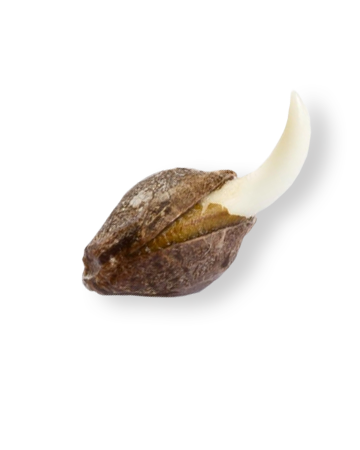
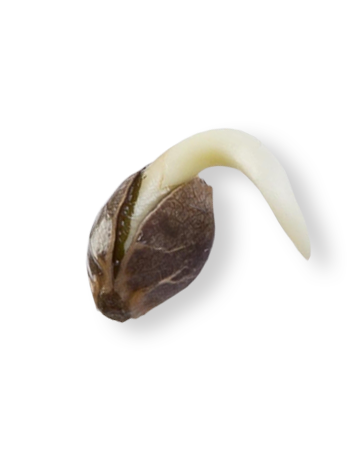
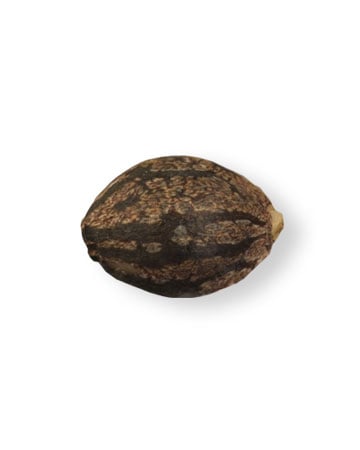
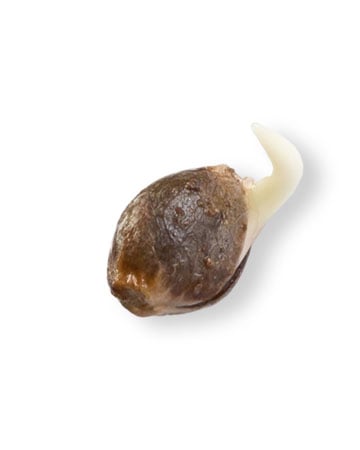
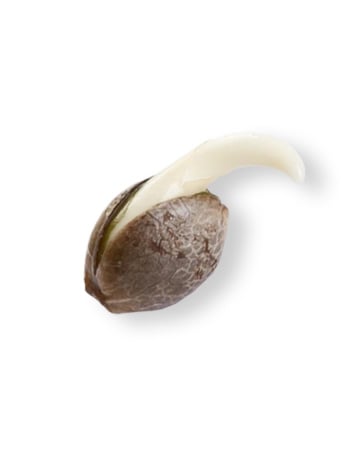
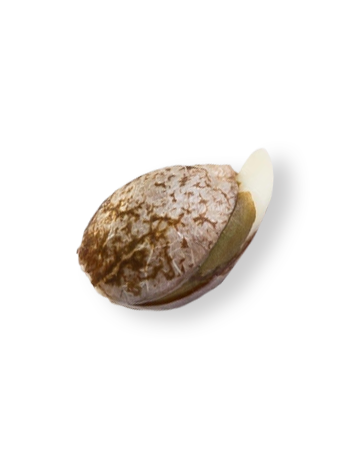
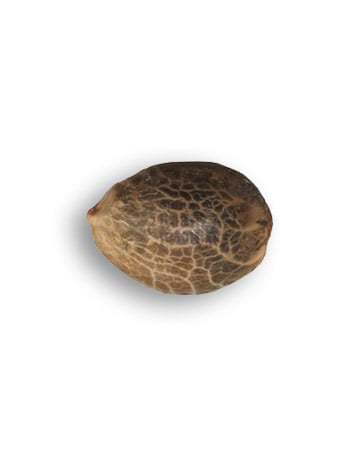
Picking the best outdoor weed seeds has a lot to do with where you live. Some strains crush it in hot climates with long summers, while others are better for cooler zones or places that get random rain. If you're not sure, feminized outdoor marijuana seeds are a safe bet since they're built to be tough and reliable. You can also go with outdoor autoflowering cannabis seeds if your season is short and you need something quick. Matching your seeds to your weather makes the whole grow way smoother.
Outdoor Growing Tips for Cannabis
Soil, Sunlight, and Water Requirements
If you’re growing outdoors, your plants are gonna need solid soil to really take off. Go for soil that drains well but still holds some moisture so your roots don’t dry out or drown. Outdoor cannabis seeds love full sun, so make sure your spot gets at least 6 to 8 hours a day. As for watering, keep it steady but don’t overdo it. If the top inch of soil is dry, it’s time to water. Too much water too often and your roots might get pissed.
Understanding USDA Growing Zones
Knowing your USDA growing zone helps you pick the best outdoor weed seeds for your area. If you’re in a cooler zone with shorter summers, autoflowering cannabis seeds are probably your best bet since they finish up fast. Warmer zones can usually handle longer-flowering feminized strains that need more time in the sun. Matching your strain to your climate is one of the easiest ways to get better yields without stressing your plants.
Common Outdoor Cannabis Growing Challenges
Outdoor runs come with a lot of upside, but you’re trading control for simplicity. The main headache is that nature never sticks to your schedule. One week you’re cruising, the next week you’re dealing with a storm, a heat spike, or a cold snap that slows growth and stresses plants out.
Pests
Pests are the other big one. Caterpillars, aphids, mites, thrips, and all kinds of hungry little creeps can show up fast, especially once plants start packing on flowers. Larger animals can be a problem too, depending on where you live. You’re basically running a buffet outside, so regular checks matter.
Humidity
Humidity and rain can turn into a real problem late in the season. Dense buds plus damp weather can lead to mold and rot, and that’s the kind of issue that can ruin a harvest quickly. Wind is a mixed bag too. A steady breeze is great for airflow, but strong gusts can snap branches or beat plants up if they aren’t supported.
Privacy
Then there’s the visibility and security side. Outdoor plants can draw attention from neighbors or random passersby, and strong aromas travel. Even if you’re allowed to grow where you are, privacy, smell, and keeping plants out of sight can take planning.
Timing
Finally, timing is everything outdoors. If a cultivar finishes too late for your region, you can end up harvesting in rough fall weather. Picking outdoor cultivars that match your local season length and typical conditions makes the whole grow smoother.
The 5 Best Outdoor Cannabis Seeds
Blue Dream
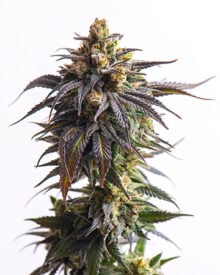
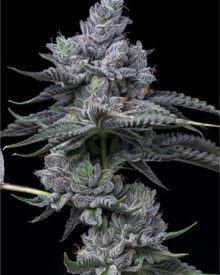
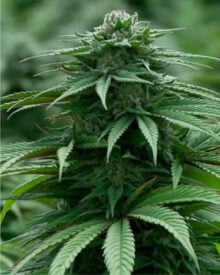
Blue Dream is a go-to for outdoor growers because it can handle a bunch of different climates and still puts out solid yields. It’s got that chill sativa vibe with sweet, fruity flavor and grows tall under the sun.
Northern Lights Auto
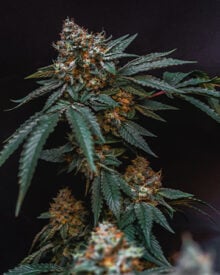
Northern Lights autoflowering seeds are perfect if you want a low-maintenance grow that still hits hard. They’re fast, super sturdy, and great for cooler temps or unpredictable weather.
Green Crack
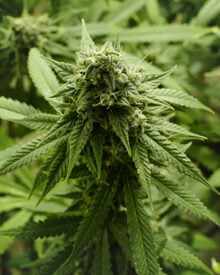
This one thrives outdoors and gives you that energetic, clear-headed high.
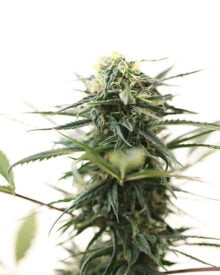
Green Crack is one of the best outdoor weed seeds if you're after something that grows quick and doesn’t mess around with heavy maintenance.
Critical Purple Auto
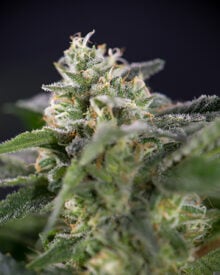
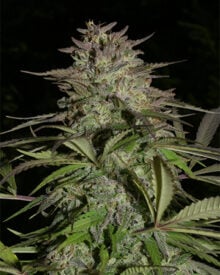
Critical Purple Auto seeds are solid if you’re short on time or space. It flowers fast, handles heat like a champ, and still gives you dense, resin-packed buds.
Durban Poison
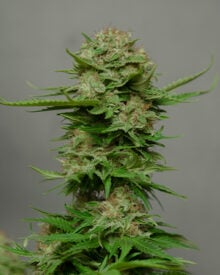
Durban Poison is made for outdoor growing. It loves hot climates, finishes early, and delivers that classic uplifting sativa high. If you want high-yield outdoor cannabis seeds that can take the heat, this one’s for you.
Are outdoor cannabis seeds different from indoor cannabis seeds?
Outdoor friendly seeds are picked for traits that hold up in real weather, like strong branching, stress tolerance, and the ability to finish on time in a natural season. You can grow many cultivars either way, but outdoor focused options tend to be more forgiving when conditions swing.
What are the biggest mistakes new outdoor growers make?
Planting too early, underestimating how big plants can get, and forgetting about airflow are the classics. New growers also skip regular pest checks, then get surprised when bugs show up during flowering. Choosing cultivars that match your local season helps a lot.
Should I choose autoflower or feminized seeds for outdoor growing?
Autoflower cultivars are great if you want a faster run, multiple harvest windows, or you live somewhere with a shorter summer. Feminized cultivars usually get bigger outdoors and can deliver heavier harvests, but they need the season length to finish strong.
How can I reduce the risk of mold during an outdoor grow?
Give plants space, avoid overcrowding, and keep good airflow through the canopy with light pruning. Try to keep flowers from staying wet for long periods, and pick outdoor cultivars known for handling humidity if your area gets rainy late in the season.









 21% THCa