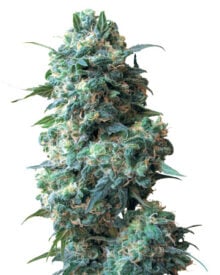
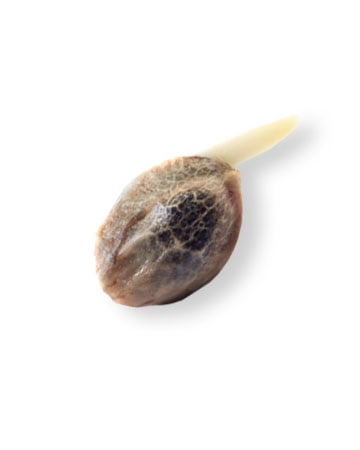
Why Choose Classic Cannabis Strains To Grow?
The OG cannabis strains are the ones that changed the game. These are the original genetics that growers and smokers have trusted for decades. Names like White Widow, Hindu Kush, and Jack Herer didn’t just show up one day — they earned their spots by delivering consistent effects, rich terpene profiles, and reliable yields.
You’ll notice these strains still show up in new hybrids because their genetics are just that strong. They’ve been pheno-hunted, stabilized, and passed down by breeders who knew what they were doing. Classic doesn’t mean outdated here — it means proven, powerful, and still relevant.
If you're growing from seed, going with a legacy strain means you already know what you're getting: solid roots, dependable structure, and that familiar high people keep coming back to.
What Defines a "Classic Weed Strain"?
A classic cannabis strain isn't just old. It's something that’s stood the test of time because it still delivers what people actually want. That could mean strong THC levels, a reliable terpene profile, or a clean balance between indica and sativa effects.
You’ll usually see names like Skunk 1, Northern Lights, Blueberry, or Kush at the top of any list of legacy strains. These are the original building blocks for a ton of today’s hybrids. What makes them classic is their stability, the way they grow, and how consistent the high is across phenos.
A real classic has proven genetics, a solid reputation among growers, and enough history to back it up. It’s not about hype. It’s about staying power.
What Are Landrace Strains?
Landrace strains are cannabis cultivars that developed naturally in specific regions of the world over long periods of time. They were shaped by local climate, geography, and growing conditions rather than by modern breeding programs. Think of them as the original building blocks that many well known cultivars trace their roots back to.
Most classic landraces are tied to places like Afghanistan, Thailand, Colombia, Mexico, and parts of Africa and India. Over generations, these plants adapted to their environment, which led to consistent traits in structure, flowering time, aroma, and overall growth behavior. This is why you often hear terms like landrace indica or landrace sativa.
Today, true landrace strains are relatively rare in seed form. Many modern seeds are hybrids that use landrace genetics somewhere in their lineage rather than being pure landraces themselves. When growers talk about landraces now, they are often talking about genetics that carry those original traits forward, not untouched wild plants.
Classic Strain Families
When people talk about “classic” cannabis, they’re usually talking about a handful of genetic families that show up everywhere. These lineages set the template for how a plant grows, how it smells in late flower, and what kind of bud structure you end up trimming. A lot of today’s popular cultivars still trace back to these roots, even when the name on the label looks brand new.
Kush
The Kush family is the backbone of old school, indica leaning genetics. Expect sturdy plants, tight internodes, and dense flowers that stack up nicely once they hit their stride. Flavor wise, Kush tends to live in earthy, piney, peppery territory with that classic “funky” depth people associate with traditional hashy profiles. If you want cultivars that feel grounded and straightforward in the garden, Kush lines are usually where growers start.
Haze
Haze is the loud, lanky side of the classics. These cultivars are known for bigger frames, more stretch, and a longer flowering window compared to many indica leaning options. The payoff is in the aromatic profile, bright, sharp, and often citrusy or herbal, with that unmistakable “electric” haze nose that cuts through a room. Haze family cultivars are a good pick if you like sativa structure and you have the vertical space to let them run.
Skunk
Skunk genetics earned their reputation by being dependable and consistent, which is a huge reason they became such a breeding staple. These cultivars often grow with strong hybrid vigor, finish in a reasonable window, and put out dense, easy to handle flowers. Aromas lean pungent and musky with sweet and earthy notes, the kind of profile that defined an era. If you’re shopping for a classic that’s famous for reliability, Skunk is usually the lane.
Diesel
Diesel sits in that sweet spot where “classic” meets “modern classic.” These cultivars are known for sharp fuel, sour, and citrus peel aromas that can get loud fast, especially late in flower and during cure. Growth tends to be hybrid leaning, with a bit of stretch and strong branching that responds well to basic training. If you want a classic family that screams aroma and still feels current, Diesel genetics are the go to.
The Top 5 Classic Cannabis Strains to Grow Yourself
Northern Lights
Northern Lights is believed to have first popped up in the Pacific Northwest in the 1980s, then fine-tuned in the Netherlands by legendary breeders. It's a pure indica or near-pure, known for its fast flowering and heavy resin production. Over the years, it’s become the genetic backbone for a ton of modern indica hybrids.
White Widow
White Widow came out of the Dutch cannabis scene in the early 90s, bred by Green House Seeds. It's a cross between a Brazilian sativa and a South Indian indica, built for serious trichome coverage. This strain blew up globally and became a staple in coffee shops and grow rooms alike.
OG Kush
OG Kush showed up in California in the 1990s and pretty much redefined what West Coast weed could be. Its exact lineage is still debated, but it likely came from a mix of Chemdawg, Hindu Kush, and maybe Lemon Thai. What’s not up for debate is the impact; it’s the base for a whole family of heavy-hitting strains.
Skunk 1
Skunk 1 was one of the first true stabilized hybrids, bred in the 1970s by combining Afghan, Acapulco Gold, and Colombian Gold. It set the standard for what balanced indica and sativa effects could feel like. Most modern hybrids can trace something back to Skunk genetics.
Durban Poison
Durban Poison is a pure sativa that originally came from South Africa. It was brought to the U.S. in the 1970s and stabilized by American breeders to make it more manageable for indoor grows. The high is clean and energetic, and it’s known for its sweet licorice-like terp profile.









 21% THCa