









Blue Skunk
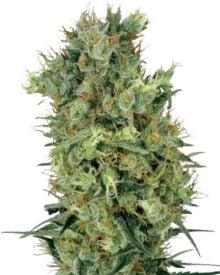
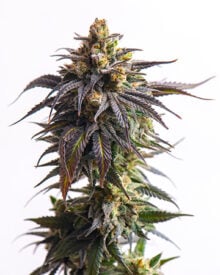
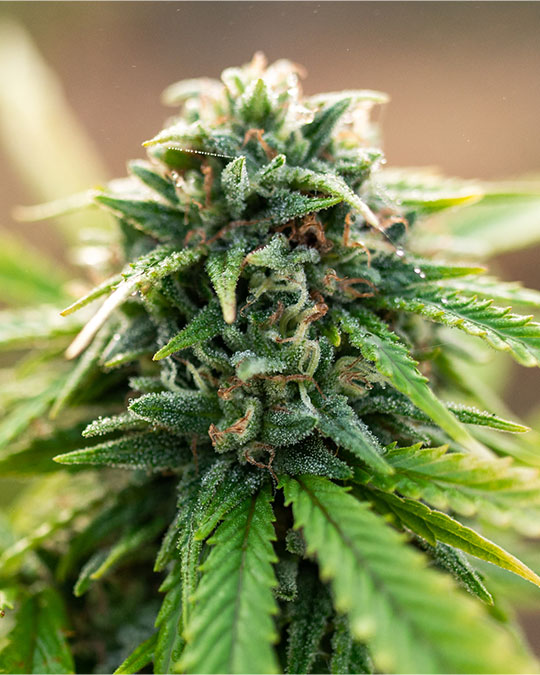
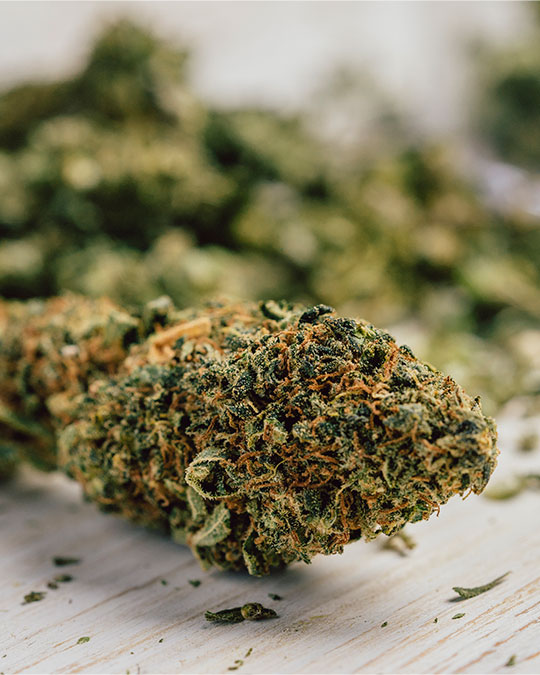
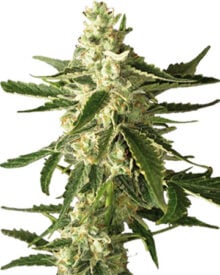
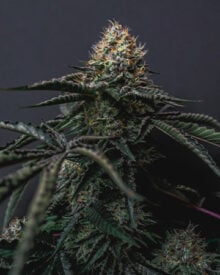
Blue Skunk, also known as Blueberry Skunk, provides a master class in blending vintage charm with contemporary flavor. It brims over with vintage, skunky charm but also has a modern edge thanks to its bright, berry notes. For these reasons, many growers consider Blue Skunk seeds a staple pick—especially those who prefer flavorful, indica-dominant hybrids with classic lineage.
-
 THC levels up to 24%
-
80% indica 20% sativa
-
Relaxed, uplifted, euphoric
-
Total time from flowering stage to harvest: 55-65 days
-
Growing experience level: Easy
 THC levels up to 24%

 26% THCa
Sour Diesel Seeds
Now$24.01

Blue Skunk: Berry Bright + Old-School Depth
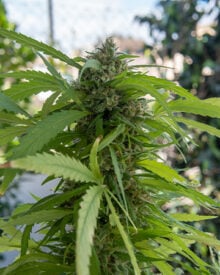
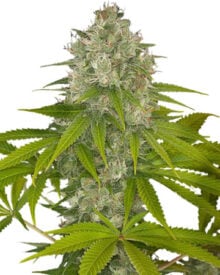
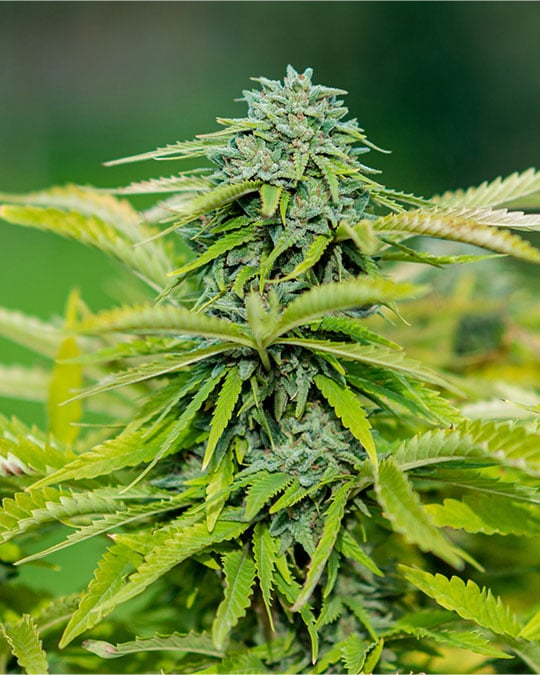
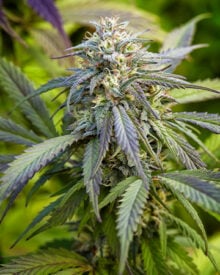
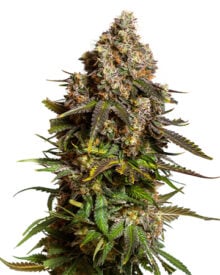
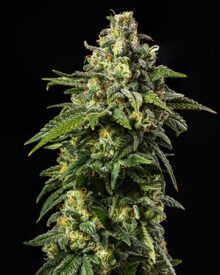
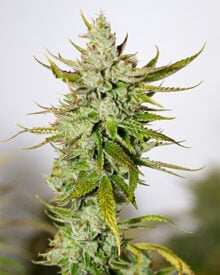
As the offspring of Blueberry and Skunk #1, this strain has a compact, manageable structure and dense, resinous flowers. As an indica-dominant hybrid, this strain is known for its dense flowers, fresh berry scent, and earthy depth. Its 24% THC levels produce intense psychoactive bliss even at smaller doses, placing this strain well within the high-potency range.
Blue Skunk is also well known for its relaxing, mood-boosting vibe. Its 80% indica dominance is clear from the first hit, but builds steadily as the high unfolds. Meanwhile, its subtler, sativa influence adds a sense of low-key focus. For these reasons, fans tend to reach for this strain at night, or anytime they’re looking for vibrant, soothing effects. Factor in its modern, berry pop, and it’s clear why many growers consider Blue Skunk seeds a staple strain.
Growing Tips for Our Seeds
Most folks think of Blue Skunk as fairly easy to grow because of its sturdy structure, manageable height, and relatively predictable flowering behavior. Below, we cover a few strategies that newbie growers can try to help boost yields and achieve and improve the odds of producing the same, resinous harvests as more experienced cultivators.
Dial In Your Growing Conditions
Defoliation + humidity management
Given its indica-dominant lineage, Blue Skunk tends to develop fairly dense interior growth. Light defoliation, or removing select fan leaves, can help improve airflow without the challenges or extended recovery time that can sometimes occur with more aggressive pruning. The flowers tend to become especially dense during the end of the flowering stage, so lowering humidity gradually during this period can help prevent your buds from collecting excess moisture.
Lower nighttime temps to enhance aroma
Blue Skunk’s aroma intensifies during the late flowering stage. During mid-bloom, its fragrance may lean earthy and herbal before its sweet, blueberry notes emerge. Cooler nighttime temperatures in the weeks leading up to harvest can help deepen this strain’s hue and scent alike, providing added bag appeal and intensified terpenes.
Blue Skunk’s sturdy branches generally handle beginner-level training methods well. Low-stress techniques early in the vegetative stage can help set your plants up for success. We recommend gently bending and fastening down the branches to expose more flowering sites, and in turn, expose more flowers to light.
By the end of the flowering stage, resin production will increase noticeably. Tactful, careful trimming during this stage can help maintain resin coverage while preventing excess plant material from muting your crop’s earthy blueberry aroma after curing.
Yields, Flowering Times, and Harvest
This strain’s flowering time is typically a quick 55-65 days. Blue Skunk also produces indoor yields of up to 400 grams per square meter. Outdoor growers can anticipate up to 400 grams per plant under stable conditions.
Dominant Terpenes in Blue Skunk
This strain’s dominant terpenes include myrcene, caryophyllene, and pinene.
Blue Skunk combines sweet fruit notes with heavier earthy depth through a terpene profile strongly influenced by both parent strains.
Myrcene contributes much of the strain’s musky berry character and helps create the softer fruit-forward aroma associated with Blueberry genetics.
Caryophyllene adds peppery earthiness beneath the sweetness, preventing the profile from becoming overly sugary. Pinene introduces a lighter sharpness that cuts through the denser skunk and musk notes. Together, these terpenes create an aroma that shifts between blueberry sweetness and classic skunky earth depending on phenotype expression and curing conditions.
Dominant Cannabinoids in Blue Skunk
At 24% THC, Blue Skunk packs a punch. Smaller amounts are often enough for most users, while higher doses tend to intensify the strain’s psychoactive effects and add greater depth to the smoking experience.
These levels also intensify Blue Skunk’s weighty, indica influence. In a way, its generous cannabinoid profile can double down on this strain’s calming, lulling effects. The result is a surreal, spaced-out sense of physical relaxation and a steady flow of peaceful, dreamy thoughts.
Characteristics
Strain Genetics |
Blueberry x Skunk #1 |
|---|---|
Blend |
20% Sativa, 80% Indica |
Plant Sex |
Feminized |
Strain Type |
|
Flowering Time |
55-65 days |
Flowering Type |
Photoperiod |
THC Content |
24% |
CBD Level |
|
Effects |
|
Flavor |
Skunky, Blueberry, Earthy |
Indoor Yield |
Up to 400 g/m² |
Outdoor Yield |
Up to 400 g per plant |
Growing Difficulty |
|
Where to Grow |
|
Plant Height |
|
Seed Type |
|
Yield Levels |
Moderate Yield |
FAQ for Blue Skunk
What does Blue Skunk taste like?
How strong is Blue Skunk?
Is Blue Skunk good for beginner growers?
How long does Blue Skunk take to flower?
How We’re Different From the Rest
From a 90% germination guarantee to real people on the phone, see how Growers Choice Seeds compares.
Reviews
Only logged in customers who have purchased this product may leave a review.
Showing 1-10 of 24
 25% THCa
Wedding Cake
Now$25.14
 26% THCa
![grow-cannabis-with-best-yield-results-Chernobyl-Feminized-Cannabis-Seed[1]](https://growerschoiceseeds.us/wp-content/uploads/2021/02/grow-cannabis-with-best-yield-results-Chernobyl-Feminized-Cannabis-Seed1.jpg "Buy Chernobyl")

BarbaraK Verified Buyer
Week four, the smell from the tent reached the hallway. Week five, it reached the front door. Buy a carbon filter before you grow this. Buy a good one. The Shiva Skunk genetics are not polite about the terpene production through flower. The cure rounds it out considerably. During flower it announces itself.
lynxcrawls Verified Buyer
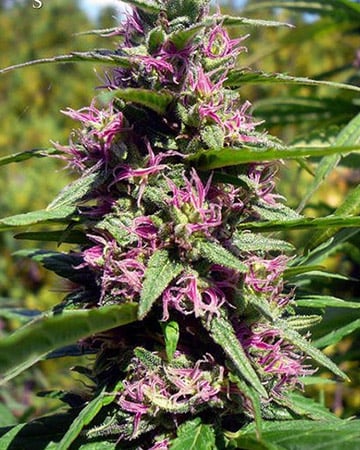
The purple coloring near the end of flower is honestly one of the most satisfying things I’ve seen in a grow tent. I didn’t do anything special to get it — no cold temperature drops, no manipulation. Just the natural expression of the genetics as the plant finished up. It started in the fan leaves around day 40 and by day 52 there were purple streaks in the buds themselves. I took about forty pictures in the last week because I was pretty sure nobody was going to believe me without photographic evidence. The harvest looked great.
dingocrawls Verified Buyer
Planted two Blue Skunk seeds. Both germinated. Both were female. Both finished at 53 days. Both yielded above 500g/m². The strain did exactly what it said it would do. Nothing went wrong. I have very little to complain about, which is an unusual position to be in as a grower.
geckodrops Verified Buyer
Okay so I picked Blue Skunk for my first real grow (I’d done one autoflower before but that barely counts) because everyone said it was forgiving and I needed forgiving. They were right. I overwatered twice, got a little panicky when the leaves started to taco from heat stress in week two, and accidentally let the humidity spike to nearly 70% for a few days when my humidistat glitched. The plants just… continued. Grew right through all of it. Harvested at 54 days with colas I was genuinely proud of. Starting my second run now and I’m a more confident grower than I was eight weeks ago.
cole_p Verified Buyer
I grew Blue Skunk specifically to test whether ‘beginner-friendly’ genetics actually perform differently or just get labeled that way. The test was informative. I made the kind of mistakes beginners make — slightly overwatered in week two of veg, went a little heavy on nitrogen before the flip, let the humidity creep up to 65% in week five of flower. The plant absorbed all of it without drama. The yield was still 480g/m², which I would have been pleased with on a strain I’d babied. As a stress test of resilience, it was encouraging.
sara_b Verified Buyer
I ran it in a SOG setup. Eleven plants in a 4×4, flipped at three weeks. The bushy lateral branching needed some management to keep the canopy even — more than I expected given the indica classification. But the density of bud sites once the canopy was established produced the SOG yields the technique promises. Would use a SCROG next time instead. The branching structure suits it better.
YoshiroE63 Verified Buyer
Trim is honest. The leaf-to-calyx ratio is stated as ‘evenly balanced,’ which means there’s real trim work but it’s proportional to bud volume. I trimmed four plants in about two and a half hours. For the yield those four plants produced, that’s a reasonable ratio. People who say this strain is hard to trim have probably grown something bushier.
ariaq8 Verified Buyer
I planted Blue Skunk outdoors in a big pot on my patio and by the end of summer it was comically large. I had to rig up a support structure using bamboo stakes and some garden twine that looked genuinely improvised, because it was genuinely improvised. The neighbors asked if it was a tomato plant. I said yes. By harvest it was definitely not what anyone would call a tomato plant but the yield was somewhere around 500g off one plant and I’ve decided that’s a good problem to have had. Would grow outdoors again with better planning for the eventual size.
DonaldA Verified Buyer
Lollipopping trial on Blue Skunk: removed all growth below the fourth node from the bottom, done at day 20 of flower. The upper canopy focused its energy effectively and the main colas developed noticeably thicker than my control plants (same strain, no lollipopping). The removed lower material was minimal trim, and the efficiency gain on the upper colas was measurable — average cola weight was 18% higher than control at harvest. Blue Skunk’s response to lollipopping was better than average, probably because the thick lateral branches already wanted to put energy into the upper bud sites.
camelpops Verified Buyer
Second run of Blue Skunk, indoor 4×4 under 600w LED. Run 1 was untrained, run 2 was SCROG with defoliation at day 21 and day 35 of veg. Results: Run 1 yielded 430g/m², Run 2 yielded 520g/m². Both ran 53 days to harvest. The SCROG significantly improved light penetration into the lower canopy — bud sites that were tertiary on Run 1 became primary on Run 2. For anyone treating Blue Skunk as a beginner strain and skipping training entirely, I’d still train it. The genetics take it well and the yield difference justifies the effort.