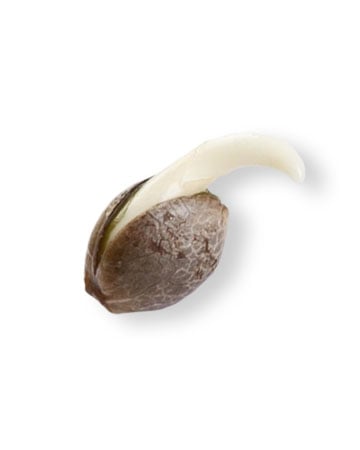
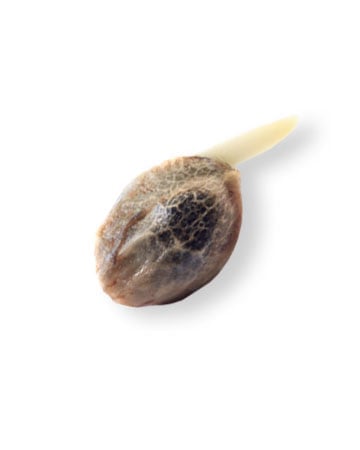
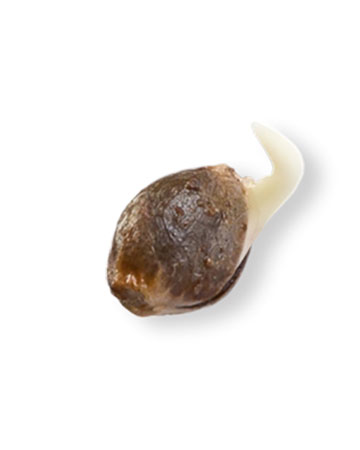
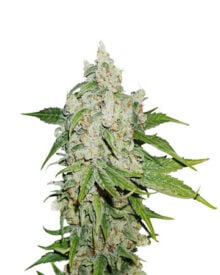
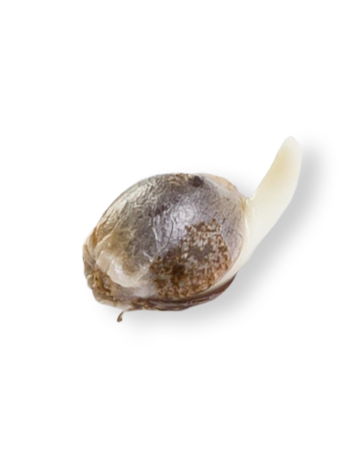
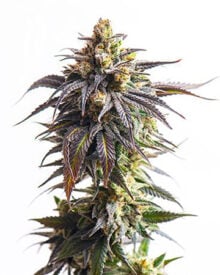
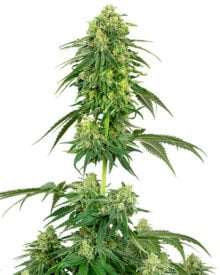
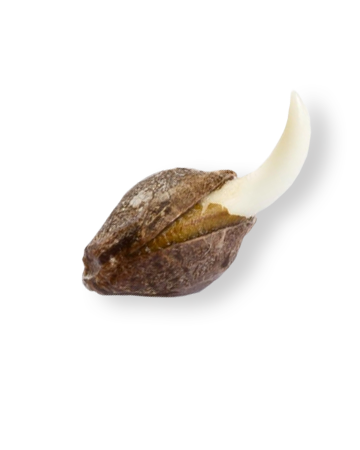
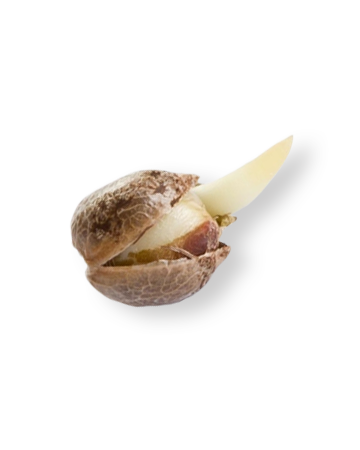
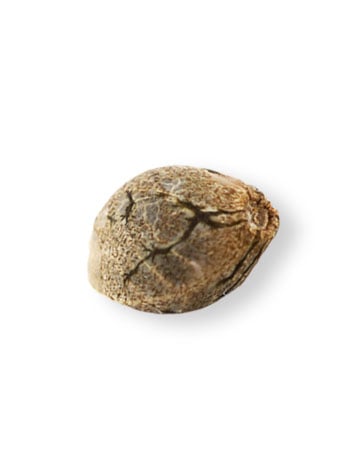
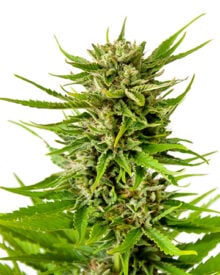
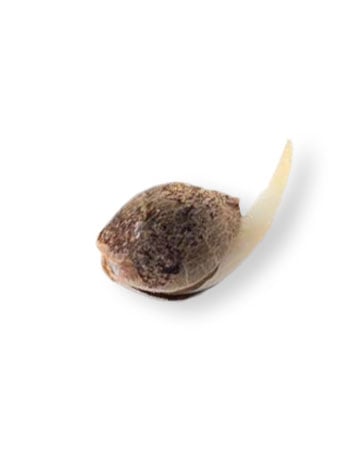
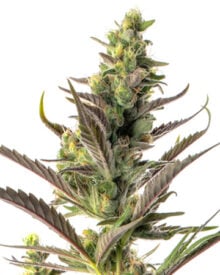
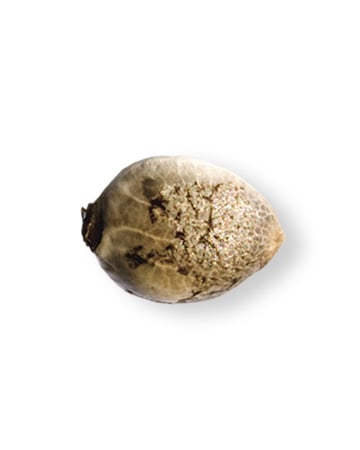
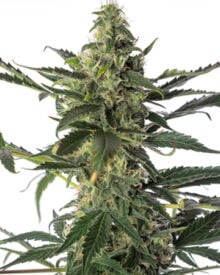
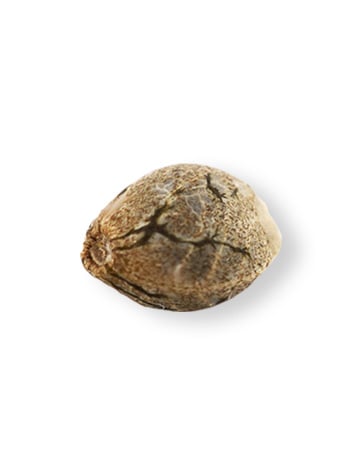
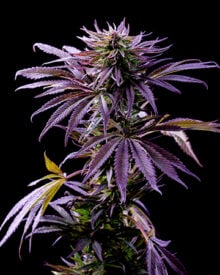
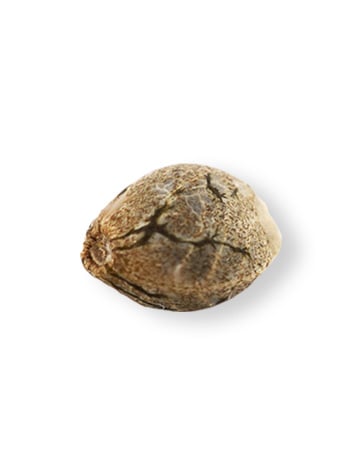
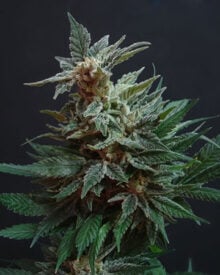
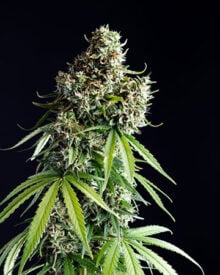
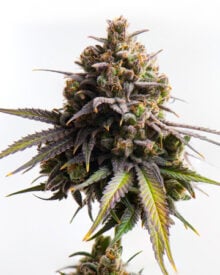
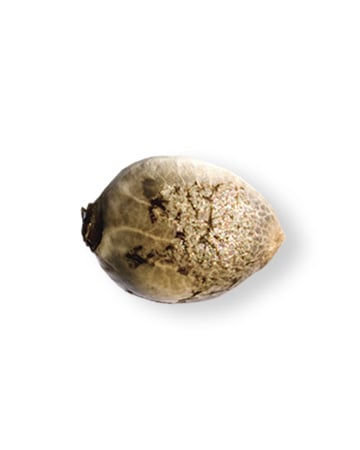
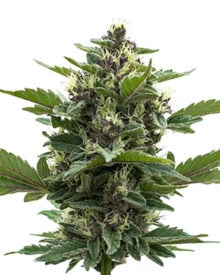
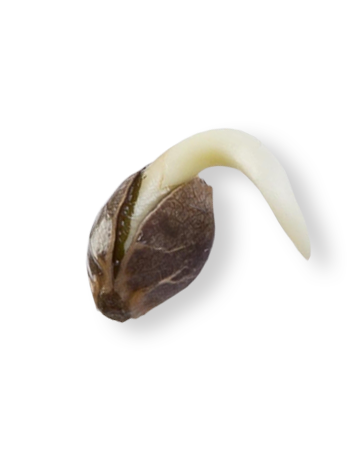
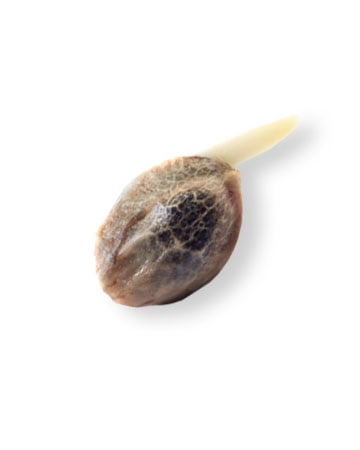
What Are Autoflower Seeds?
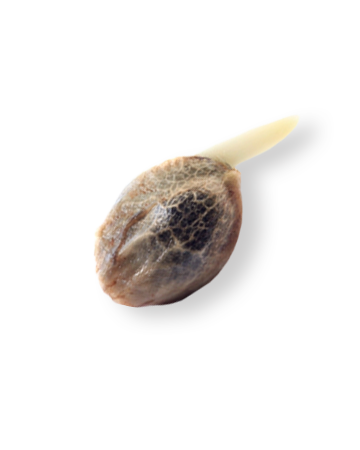
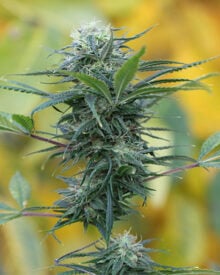
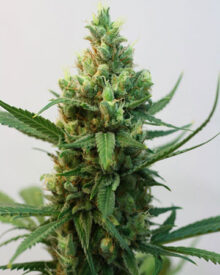
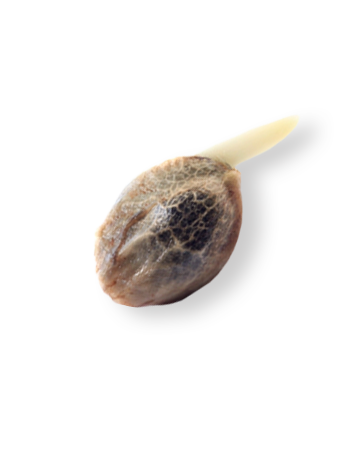
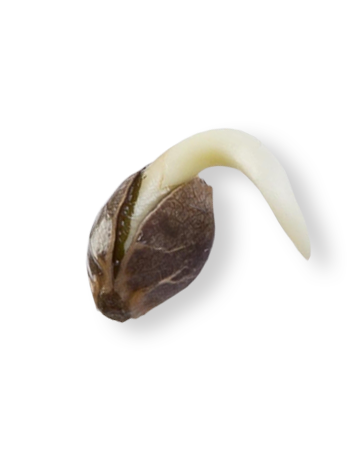
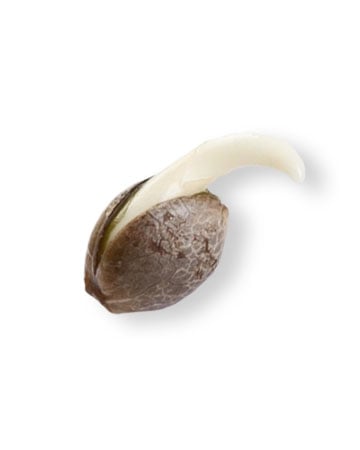
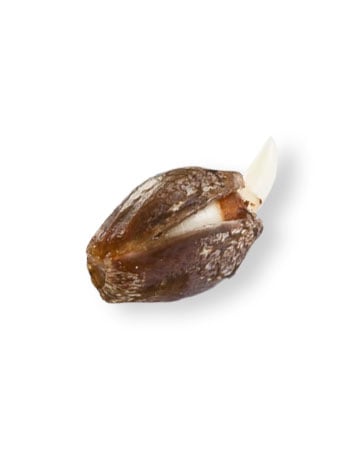
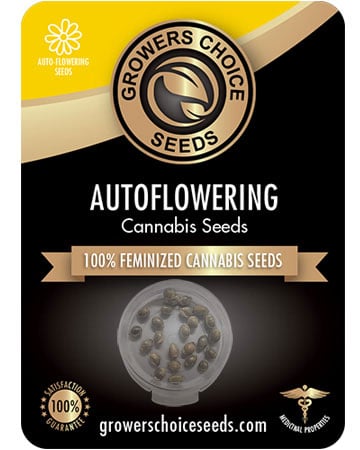
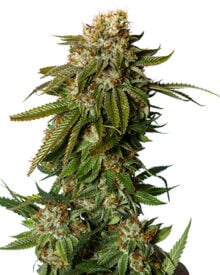
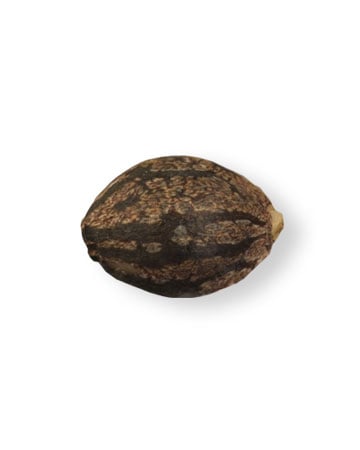
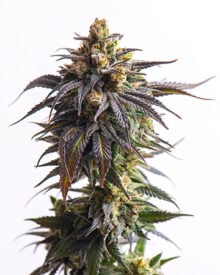
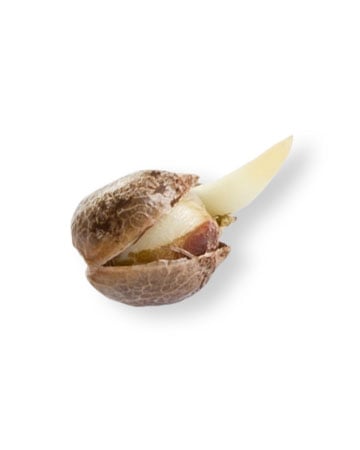
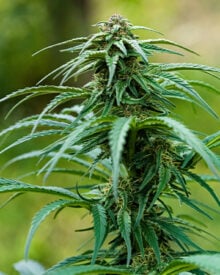
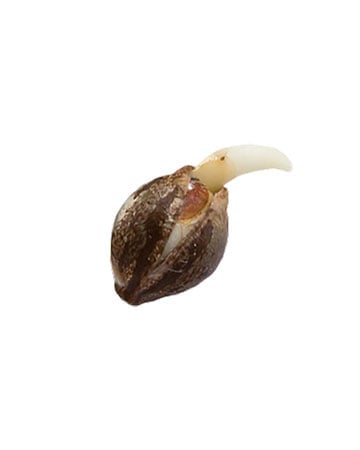
Autoflower seeds grow into cannabis cultivars that start flowering on their own, based on age instead of day length. That’s the big difference. With photoperiod plants, you control the switch to bloom by changing the light schedule. With autoflowers, the plant follows its internal timer, so you can keep the same light cycle from start to finish and still get buds.
This trait comes from Cannabis ruderalis, a hardy type of cannabis that adapted to places with short summers and unpredictable sunlight. Breeders crossed ruderalis genetics with popular Cannabis sativa and Cannabis indica lines to create modern autoflowers that finish fast, stay more compact, and still bring strong flavor and resin production. For cultivators, that usually means a shorter seed to harvest window, fewer moving parts with lighting, and an easy path to multiple runs per year indoors or a quick turnaround outdoors.
Why Grow Autoflowers?
Autoflower cultivars are popular for one simple reason they keep things easy. These plants flower on their own without any light schedule changes, so you can run the same lights from seed to harvest. That makes them a solid choice for new growers, busy growers, or anyone who wants fewer variables to manage.
The short life cycle is another big draw. Most autoflowers finish fast, which means quicker harvests and the option to run multiple cycles in a year. Indoors, that can mean steady rotations without resetting timers. Outdoors, it opens the door to growing in short summers or squeezing in more than one run when the weather cooperates.
Autoflowers also stay more compact than many photoperiod plants. That smaller size works well in tents, closets, balconies, and other tight spaces where height matters. Pair that with modern genetics, and you get cultivars that deliver solid yields, strong resin production, and standout flavors without needing a large setup or a long wait.
Autoflower Grow Timeline From Seed to Harvest
Autoflower cultivars move fast. They follow an age based clock, so each week counts. A smooth start usually leads to a bigger plant, fuller canopy, and denser flowers by the end.
Germination and Seedling Stage
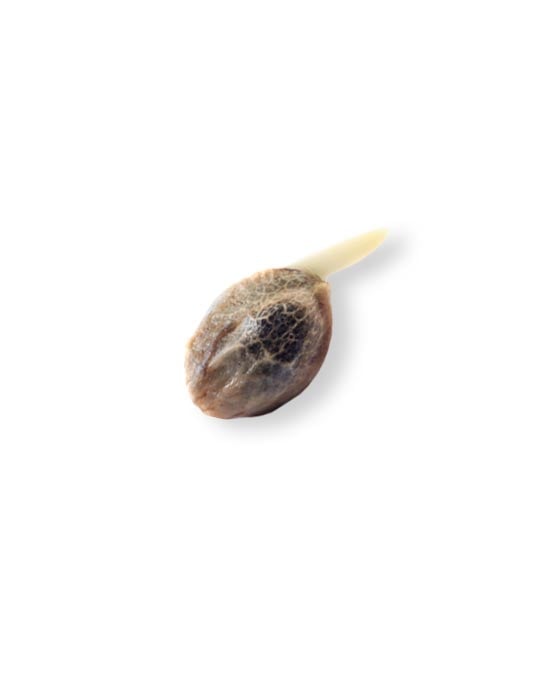
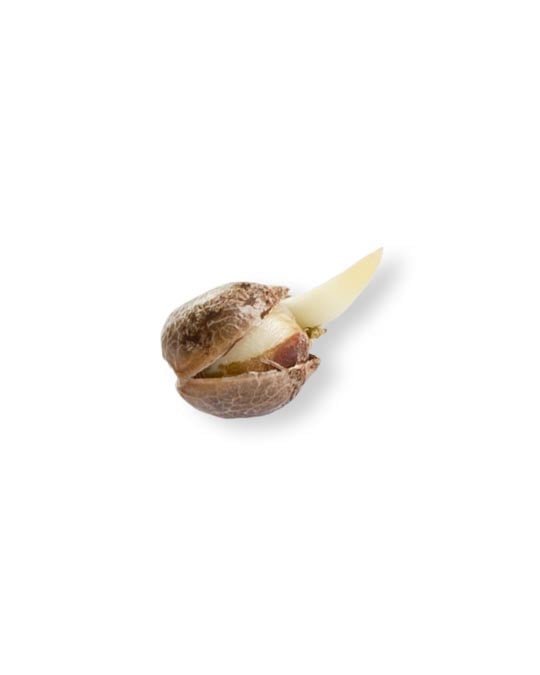
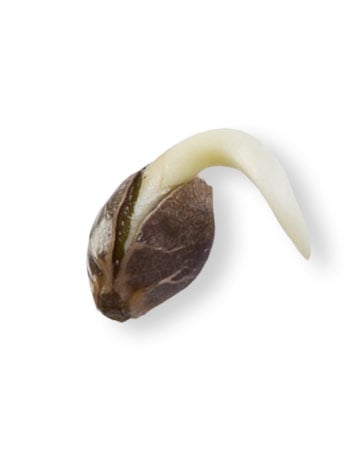
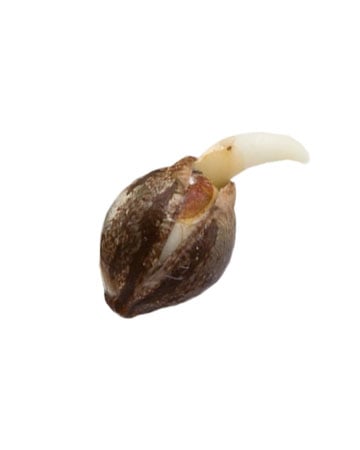
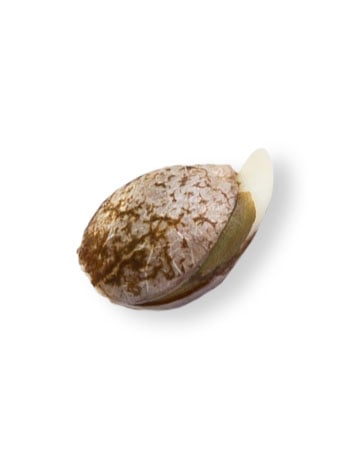
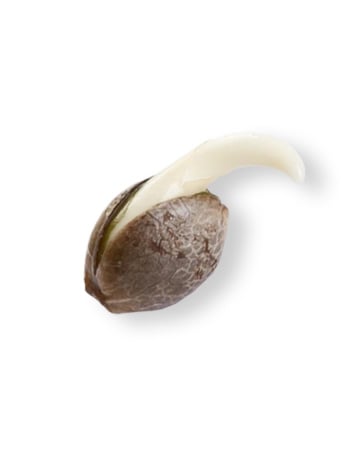
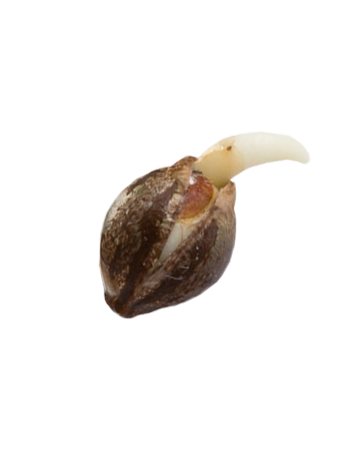
In the first stretch, the plant focuses on roots and its first true leaves. Keep conditions steady and avoid rough handling. Many cultivators start autos in their final container so the roots can settle in without interruption.
Vegetative Growth and Early Structure
This is when the plant puts on size and builds its shape. You will see faster leaf and branch growth, plus tighter node stacking on many cultivars. Light training can help open the canopy so more bud sites get direct light.
Preflower and Stretch
Preflower shows up as the plant transitions toward bud production. You will often see a small growth spurt, then clear signs of flowering as pistils start popping at the nodes. This is a good time to keep the environment consistent and avoid big swings.
Flowering and Harvest Window
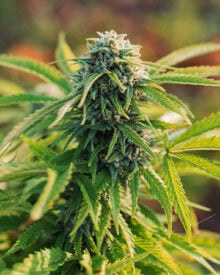
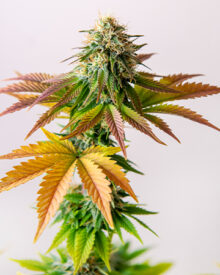
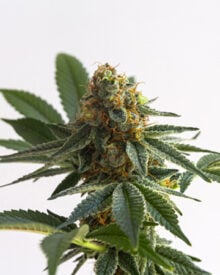
Flowering is when buds swell, resin builds, and aromas get louder each week. Harvest timing comes down to trichome maturity, plus the look and feel of the flowers. Most growers watch for cloudy trichomes with some amber mixed in, then time the chop to match the vibe they want.
Best Light Schedules for Autoflowers
Autoflower cultivars do not need a light change to start flowering, which takes a lot of pressure off the grow. You can lock in one schedule from seed to harvest and let the plant do its thing. The goal is steady light, stable temps, and avoiding stress.
Popular Indoor Light Schedules
The most common setup is 18 hours of light and 6 hours of dark. It gives autos plenty of energy without pushing heat too hard. Some growers bump that up to 20 hours on and 4 hours off to squeeze a little more growth, especially with modern LEDs. Running lights 24 hours a day is possible, but it often brings extra heat and power use without much payoff.
Light Intensity Matters More Than Timing
With autoflowers, intensity and distance usually matter more than the exact schedule. Too much light too early can slow growth just as much as too little. Keeping the light at a comfortable distance and adjusting as the plant grows tends to produce better results than chasing maximum hours.
Outdoor Autoflowers and Natural Sunlight
Outdoors, autoflowers follow the same age based timeline no matter how long the days are. That makes them flexible for spring, summer, or late season runs. As long as the plant gets solid daily sun and stays protected from rough weather, it will flower right on schedule.
Growing Autoflowers Indoors vs Outdoors
Autoflower cultivars work well in both indoor and outdoor setups, but the experience can feel pretty different depending on where you grow. The good news is that their short cycle and compact size make them adaptable in almost any environment.
Growing Autoflowers Indoors
Indoor grows give you full control over light, temperature, and airflow. Autoflowers shine here since you do not need to switch to a flowering schedule. This setup is popular for tents and small rooms where consistency matters. With the right light and steady conditions, indoor autos often produce uniform plants with predictable results.
Growing Autoflowers Outdoors
Outdoor autoflowers rely on natural sunlight and tend to grow fast once they settle in. They are a solid option for regions with short summers or growers who want quick turnaround plants. Their smaller size can help keep things low profile, though weather and pests play a bigger role outdoors than they do inside.
Choosing the Right Environment
If you want control and repeatability, indoor growing usually makes more sense. If you have good sun and a mild season, outdoor autos can be just as rewarding. Many growers use both methods to keep harvests coming throughout the year.
How to Choose Autoflower Seeds
Picking the right autoflower cultivars comes down to matching genetics to your space, your timeline, and how hands on you want to be. Autos are flexible, but they still have personalities. A compact, fast finisher can feel perfect in a small tent, while a larger, higher yield cultivar might make more sense outdoors or in a bigger indoor setup.
Shop by Dominance
Indica leaning autoflowers tend to stay shorter and bushier, with tighter structure that fits well in tents. Sativa leaning autos often stretch more and can take up extra vertical space, but they can be great when you want a more open canopy. Balanced hybrids land in the middle and are usually a safe bet when you are not sure what direction to go.
Shop by Grow Space
If you are working in a small tent or a compact corner, focus on shorter cultivars with strong branching and controlled height. For larger tents or outdoor beds, you can lean into bigger autos that have room to spread out. Pay attention to the breeder notes on height and structure since that usually tells you how much space the plant wants.
Shop by Finish Time
Some autoflowers are bred to wrap up quickly, while others take a bit longer to fully stack and ripen. If you want a quick turnaround, choose fast finishing cultivars. If you do not mind waiting a little longer, longer running autos can reward patience with heavier flowers and louder terp profiles.
Shop by Yield and Flower Style
Yield is tied to genetics, light, container size, and the overall environment. If big harvests are the goal, look for high yield autoflower cultivars that are known for strong branching and chunky bud formation. If you care more about bag appeal, prioritize cultivars known for heavy trichome coverage and dense, frosty flowers.
Shop by Flavor and Aroma
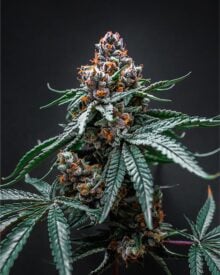
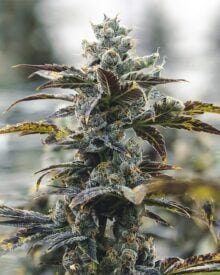
Terpene profile is where autoflowers get fun. Citrus, gas, berry, dessert, earthy, and tropical leaning cultivars all exist in the auto world now. If you already know what flavors you like, start there and then narrow down by grow space and finish time.
Are autoflower seeds good for beginners?
Yes, autoflower seeds are often a great starting point for new cultivators. They flower on their own without light schedule changes, stay more compact, and finish quickly. That means fewer steps to manage and a shorter wait from seed to harvest.
How long do autoflowers take from seed to harvest?
Most autoflower cultivars finish faster than photoperiod plants. Many are ready to harvest in about 8 to 11 weeks from seed, depending on genetics and growing conditions. Some run a little shorter, others take slightly longer.
Do autoflowers need a 12/12 light cycle to flower?
No, autoflowers do not rely on light changes to start flowering. They bloom based on age, so you can keep the same light schedule from start to finish. Popular indoor schedules include 18 hours on and 6 hours off or 20 hours on and 4 hours off.
Are autoflower seeds feminized?
Yes, the autoflower seeds sold today are typically feminized. That means they are bred to produce female plants, which are the ones that grow flowers. This helps avoid wasted space and time in the grow.









 21% THCa