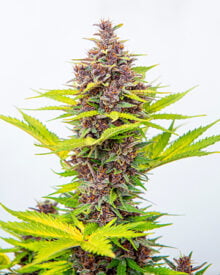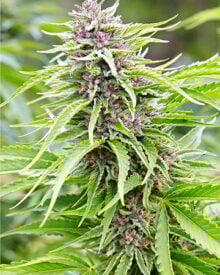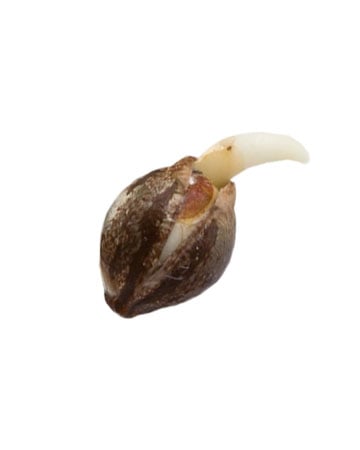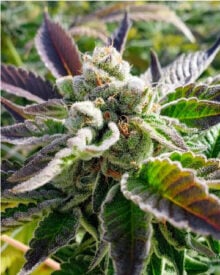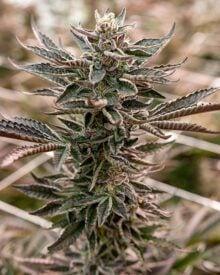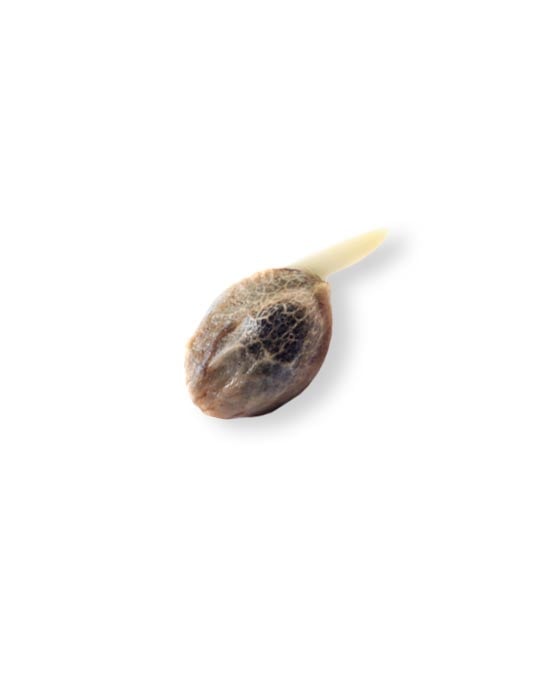





 21% THCa







Canopy management can be an important part of the growing process, especially if your plants tend to favor fast, upward growth. Techniques like low-stress training, ScrOG, and light pruning can all encourage a broad, even structure over time, but some cultivators settle on a more immediate approach.
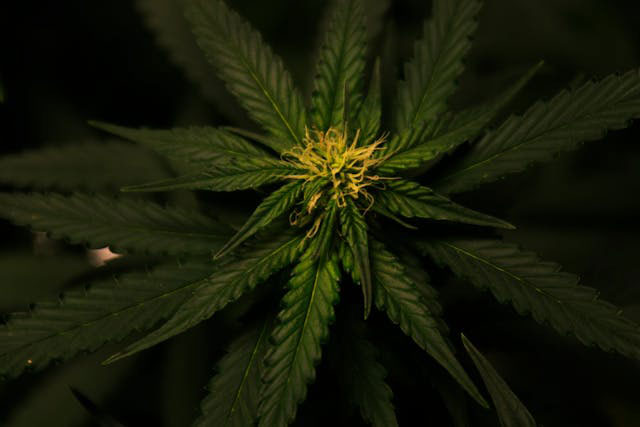
Topping is a form of pruning that hits the brakes on vertical growth. By cutting off the main stem’s dominant cola, growers also remove the apical meristem, an actively-dividing cluster of cells that drives plants upward.
With this portion removed, your cannabis plant will begin channeling its energy into its lateral branches, resulting in the development of multiple, robust colas and a bushier, broader structure.
Source: Washarapol D BinYo Jundang pexels
What are the benefits of topping cannabis plants?
While it’s a bolder move than light pruning or low-stress training (LST) and can increase plant stress, topping also offers some unique advantages. A single cut forces your plant to fully reset its structure and establish a flatter canopy from the start.
Increased Yield Potential
One of the primary reasons experienced growers choose to top their marijuana plants is to maximize their yield. Removing the main stem encourages the remaining buds to grow into robust colas. This technique can significantly increase the number of flowering sites, ultimately leading to a higher overall yield.
Better light distribution
Topping your plants can also improve light penetration and distribution by creating a uniform canopy. By removing the upper portion of the main stem, other branches receive more access to light. This ensures that each bud receives illumination and helps prevent shaded areas.
Greater air circulation
A bushier plant with a fuller canopy may receive better air circulation. Adequate airflow is crucial for preventing moisture buildup and reducing the risk of mold and mildew. The increased air movement also helps strengthen the plant’s stems. This is particularly useful for outdoor growers, as it makes your garden more resistant to wind damage.
Reduced space requirements
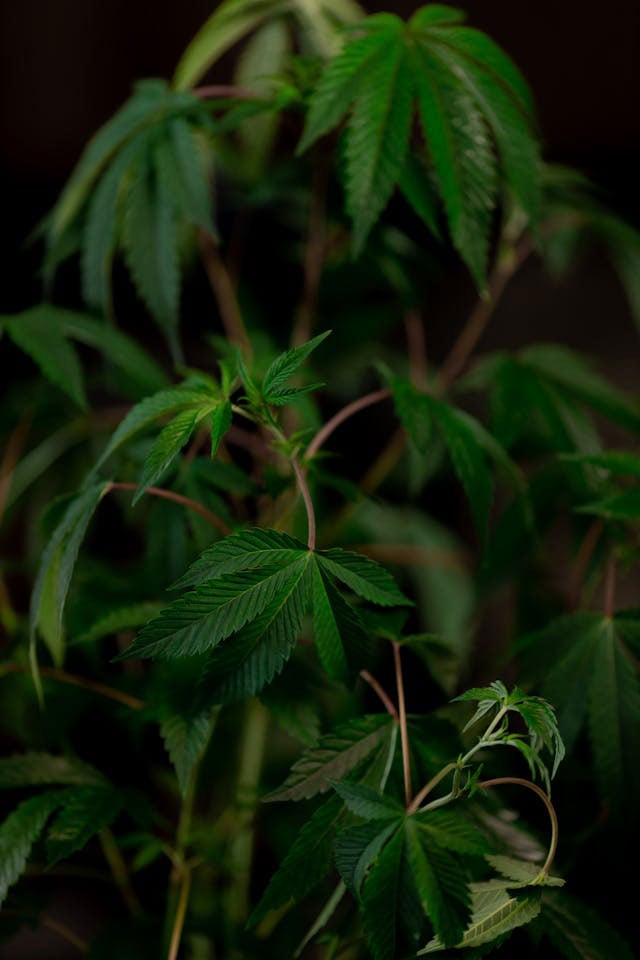
Plants allowed to grow naturally are less predictable in their shape and size. Cannabis topping provides growers more control because topping manipulates a plant’s growth pattern: You can expect a more compact and manageable crop that is better suited to both indoor and outdoor growing spaces. For this reason, growers with limited space often top their plants.
Source: Kindel Media pexels
Challenges to consider
Plant Stress
Even under the best circumstances, topping can cause noticeable stress. Removing the main growth tip disrupts a cannabis plant’s natural growth pattern and forces it to rapidly focus on healing the wound, then redirect energy toward the development of new dominant shoots. While this process can improve yields in the long term, it does temporarily interrupt normal development.
Delayed Flowering Stage
Because recovery takes time, topping may not be ideal for growers on a tighter timeline or those who want maximum efficiency. In these cases, it may be helpful to rely more on less abrupt techniques such as low-stress training or ScrOG, which shape the plant gradually without interrupting its growth cycle.
Increased Risk of Infection
Topping can temporarily expose your plant’s internal tissue, making it more vulnerable to pathogens such as fungi (mold and mildew), bacteria, and other microorganisms, particularly in humid settings. Fresh cuts can also attract pests that are drawn to damaged or weakened plant tissue. If infection occurs, look for signs such as dark or spreading discoloration, soft or mushy tissue, or visible mold at the cut site. Remove those areas as soon as possible using sterilized tools, and make sure that section, specifically, is receiving plenty of fresh air. If the issue continues to spreads, isolating the plant can help protect the rest of the grow.
Source: Kindel Media pexels
When to Top Your Cannabis Plants
Topping works best during the vegetative stage, once a plant has developed at least 4–6 healthy nodes. At this point, the plant is usually established enough to recover quickly and redirect growth into multiple dominant branches.
Avoid topping very young or stressed plants, as recovery may take longer and growth can slow temporarily. It’s also best to complete any topping before flowering begins, giving the plant time to heal and develop a stronger, more balanced canopy.
Find and prune the apical meristem
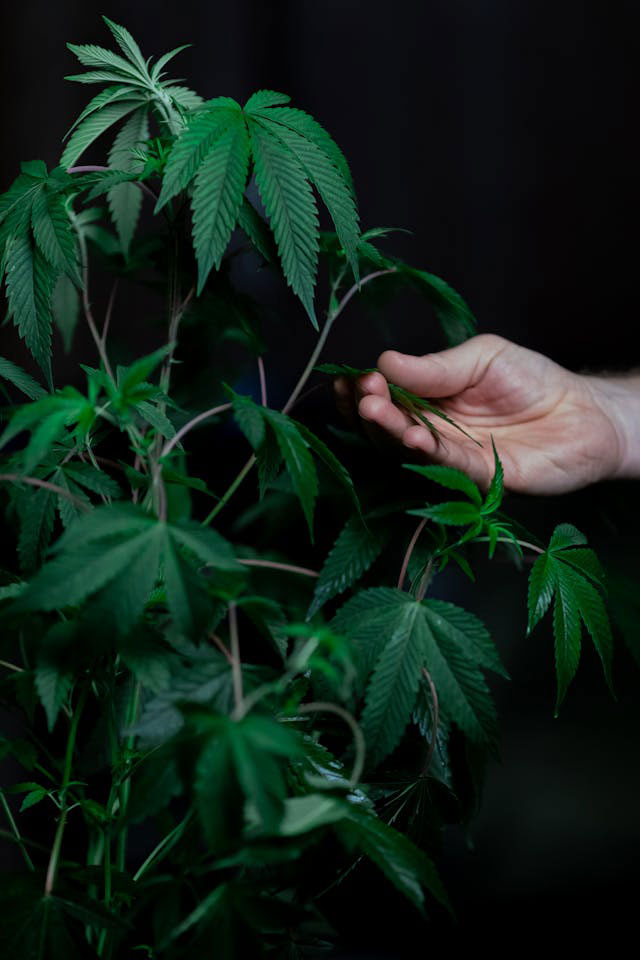
Look at the very top of your plant’s main stem. This is where all new upward growth is produced. The apical meristem itself isn’t actually visible, but if you follow the central stem upward, you’ll find fresh, light-green growth at the very top. Then, follow the main stem down to the first node just below that top growth; This is the area you’ll want to prune. If possible, use pruning shears or a pair of sterile scissors. Snipping just above the node will allow a small portion to regrow.
Monitor recovery
Closely monitor the recovery and growth of your plants after pruning them. Keep an eye out for new shoots. Typically, they will begin to sprout within a few days and eventually mature into lateral branches. Regular observation is key during this phase and helps ensure proper development and vitality for your DIY garden.
Consider using physical supports
Stakes, trellises, or plant ties can be used to help your plants maintain an upright position and prevent bending or breaking. Regularly assess the need for adjustments as the branches expand, ensuring they receive adequate support throughout their growth cycle. This proactive approach fosters solid and resilient plants capable of withstanding environmental stresses and producing abundant yields.
Which cannabis strains respond best to topping?
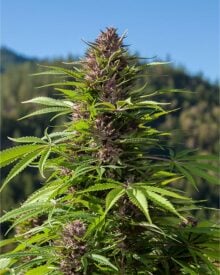
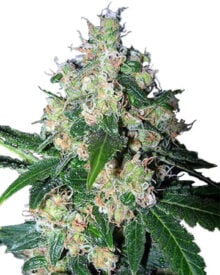
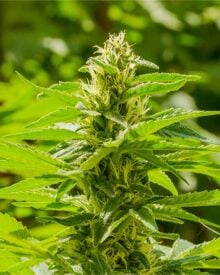
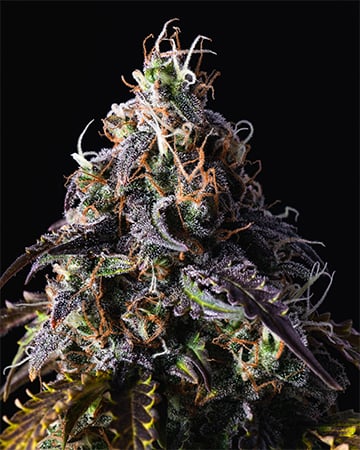
Some cannabis strains naturally have a naturally broader structure, while others tend to stretch and elongate. Pure sativas or sativa-dominant hybrids like the Blue Dream strain have a naturally vertical structure and can stretch noticeably throughout the growing process.
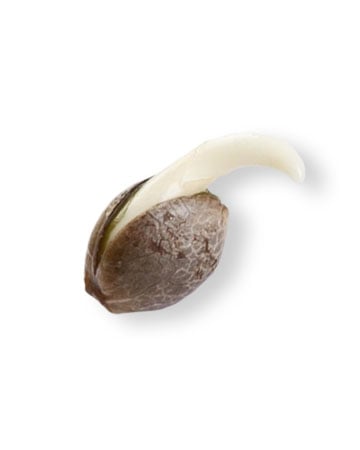
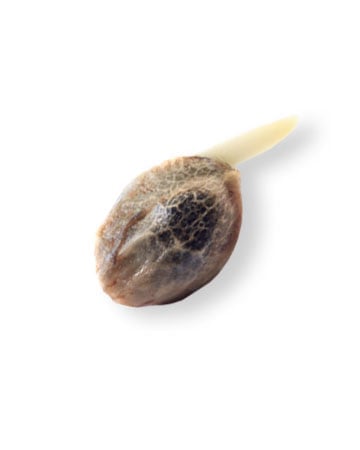
Blue Dream Seeds
Perfect for those seeking a balanced and versatile strain, our feminized Blue Dream seeds produce plants with THC levels ranging from 17-24%, offering a smooth and uplifting high that’s perfect for any time of the… Read more
- Sativa Dominant
- 40% Indica, 60% Sativa
- 26% THC
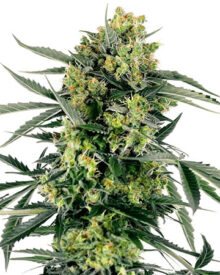
Growers commonly top plants with this growing style to reduce apical dominance and encourage a wider, more even canopy. Even indica-dominant strains like Gorilla Glue, Girl Scout Cookies, and White Widow can respond effectively to topping, because it can help boost their natural tendency for robust, outward growth.
On the flip side, some cultivars don’t require much pruning. The Northern Lights strain has a naturally compact stature that is already similar to the structure topping aims to achieve.
FAQs
When should I top a cannabis plant?
Most growers top during the vegetative stage after the plant has developed at least 4–6 healthy nodes. Topping too early can slow development or stress a young plant, while topping too late may not provide enough time for the plant to recover and develop a balanced canopy before flowering.
How many nodes should a cannabis plant have before topping?
A good rule of thumb is to wait until the plant has at least 4–6 nodes. At this stage, the root system and overall structure are usually developed enough to recover quickly and redirect growth into multiple main branches.
What do topped cannabis plants look like?
Topped plants are pretty easy to spot. Normally, cannabis plants gradually taper into a triangular shape (sort of like a pine tree), but topped plants have an obvious horizontal structure and a flat canopy.
Why do you top a cannabis plant during flowering?
Topping is generally not recommended once flowering has begun. Because the plant is already directing energy toward flower production, removing the main growing tip can create unnecessary stress and may reduce overall performance. If canopy management is needed during flowering, low-stress training (LST), selective pruning, or plant support methods are often better options.
Does topping increase yields?
It can. By encouraging multiple dominant branches instead of a single main stem, topping can create a broader, more evenly lit canopy. While yields depend on many factors, a well-executed topping strategy often improves light distribution and can contribute to larger harvests.